
how to repair heating and air conditioning?
How to repair heating and air conditioning?
Most heating and cooling problems fall into a handful of categories: thermostat issues, airflow restrictions, power problems, and component failures that need a professional. This guide walks through the basics and the safety fundamentals — and links to a detailed, step-by-step guide for whatever specific problem you’re dealing with.
Jump to Your Specific Issue
If you already know what’s wrong, skip straight to the detailed guide:
- Heater not turning on → Heater not working: troubleshoot & fix
- AC not blowing cold air → AC not blowing cold air (or not blowing at all)
- Thermostat unresponsive or acting up → Thermostat has no power or How to reset a thermostat
- AC turning on and off too often → Why does my AC keep turning on and off
- AC won’t turn off / runs constantly → AC keeps running after temp is reached
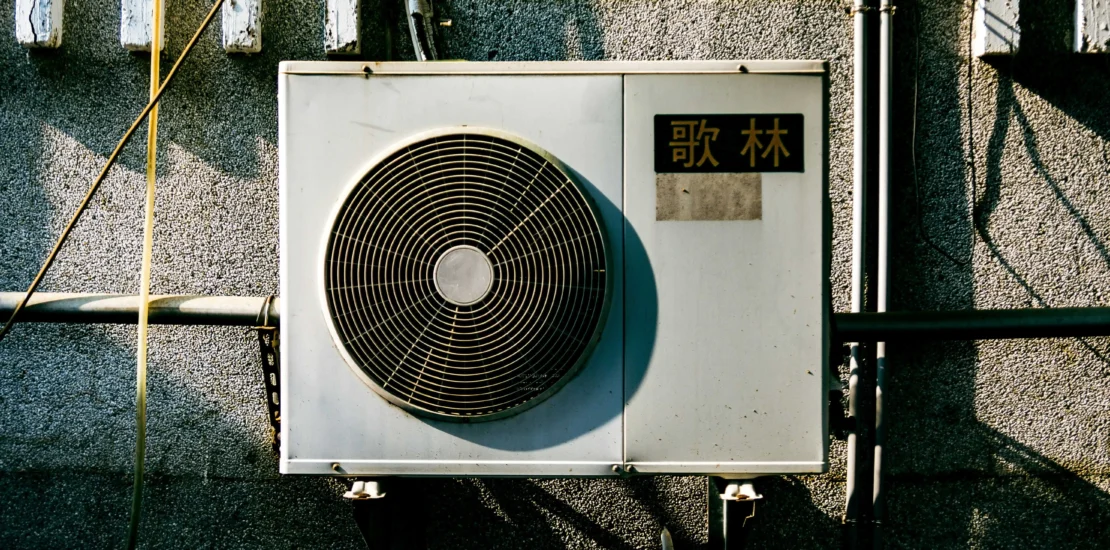
- Outdoor unit not running → Common reasons the outside AC unit isn’t turning on
- Strange noises → Why is my air conditioner so loud or AC outdoor unit very loud
- Frozen coils or lines → Why does my AC keep freezing up
- Compressor concerns → How to tell if your AC compressor is bad or Can an AC compressor be repaired
- Furnace-specific issues → How to light a furnace pilot light or Furnace clicking noises
If your issue isn’t obviously one of these, or you want the general troubleshooting process first, keep reading below.
Understanding Your System
A typical home HVAC setup includes a few core components, and knowing what each does makes troubleshooting far less guesswork:
- Furnace or heat pump: generates or moves heat into your home
- Air conditioner: removes heat and humidity to cool indoor air
- Ductwork: distributes conditioned air throughout the house
- Thermostat: the control center that tells the rest of the system what to do
Most problems trace back to one of these four, which is why the general troubleshooting order below starts with the thermostat (easiest to check) and works toward the parts that need a technician.

Safety First
Before touching anything beyond the thermostat:
- Turn off power at the circuit breaker before opening any panel or working near the unit
- Never handle refrigerant yourself — it requires EPA certification, and it’s illegal to handle without it, not just risky
- If you smell burning, hear buzzing, or see sparks, stop immediately and call a technician
- Capacitors inside AC and furnace units hold a dangerous electrical charge even when the power is off — don’t touch them
General Troubleshooting Order
Whether it’s heating or cooling that’s not working, check things in this order — cheapest and easiest first:
- Thermostat: correct mode (heat/cool), temperature set appropriately above or below room temp, fresh batteries if applicable
- Power: breaker not tripped, service switch on
- Air filter: replace if you can’t see light through it — this alone resolves a surprising share of both heating and cooling complaints
- Vents and registers: open and unobstructed throughout the house
- Outdoor unit (for AC/heat pump): clear of debris, fan spinning freely
- Call a professional if none of the above resolves it — the remaining causes (electrical faults, refrigerant, mechanical failures) need the right tools and training to diagnose safely
Common Signs You Need Repair
- Unusual noises — banging, squealing, grinding, or persistent buzzing
- Uneven heating or cooling between rooms
- Energy bills climbing without a change in usage
- The system running constantly without reaching the set temperature
- Short cycling — turning on and off every few minutes
Catching these early is almost always cheaper than waiting for a full breakdown — most of the specific guides linked above cover exactly what a given symptom points to.
Basic Tools Worth Having
For the DIY-safe portion of troubleshooting (thermostat, filters, visible obstructions):
- Screwdrivers and a basic wrench set
- A multimeter, if you’re comfortable with basic electrical checks
- Replacement filters sized for your system
Anything involving refrigerant, internal electrical components, or the compressor itself is professional territory regardless of how many tools you have — the risk isn’t about skill, it’s about the equipment (refrigerant handling, high-voltage capacitors) requiring certification and specialized tools you won’t have on hand.
DIY vs. Professional: How to Decide
| Factor | DIY is reasonable | Call a professional |
| Thermostat settings, batteries | Yes | — |
| Filter replacement | Yes | — |
| Clearing debris from outdoor unit | Yes | — |
| Breaker reset (once) | Yes | If it trips again |
| Wiring, electrical components | — | Yes, always |
| Refrigerant (leaks, recharging) | — | Yes, legally required |
| Capacitor replacement | — | Yes, dangerous charge risk |
| Compressor or motor issues | — | Yes |

Step-by-Step Guide: Troubleshooting Common Heating Issues
Troubleshooting heating problems starts with identifying symptoms. Common issues include no heat or inconsistent temperature.
Let’s dive into the steps to resolve these problems.
- Check the thermostat: Ensure it’s set to heat mode. Verify the temperature setting is above room temperature. If it doesn’t respond, replace batteries or consider a reset.
- Inspect the furnace: Listen for unusual noises, indicating a malfunction. Check the pilot light; it should be blue. A yellow light might need professional attention.
- Examine air filters: Clogged filters restrict airflow, causing inefficiency. Replace dirty filters regularly to maintain efficient heating.
- Test the circuit breaker: Sometimes, power issues result in heating system failure. Ensure the furnace circuit breaker is on.
- Evaluate the air vents: Blocked vents disrupt heat distribution. Ensure furniture or objects aren’t covering vents.
These steps can help you address most common heating problems efficiently. Taking proactive measures can significantly reduce your heating troubles.
Step-by-Step Guide: Troubleshooting Common Air Conditioning Issues
Encountering air conditioning problems can be frustrating, especially during hot days. The good news is many issues are easy to fix.
Begin with the thermostat
Firstly, ensure the thermostat is set to cooling mode. An incorrect setting can prevent your AC from starting.
Check the air filters
Dirty filters can cause the AC to freeze or not function well. Regularly replace them to ensure optimal airflow.
Inspect the outdoor unit
Make sure the outdoor unit is free of debris. Leaves and dirt can obstruct airflow, affecting cooling efficiency.
Listen for unusual noises
Grinding or rattling sounds could indicate motor or fan issues. These problems may require professional assistance.
Monitor refrigerant levels
Low refrigerant can prevent the AC from cooling properly. Unfortunately, this issue often requires a technician.
Addressing these common air conditioning issues can enhance system performance quickly. Maintaining clean components ensures your AC runs smoothly throughout the season.

by Kamakshi subramani (https://unsplash.com/@prasi898)
How to Fix Thermostat Problems
Thermostat issues often disrupt HVAC functionality. Start by checking the power source. A dead battery or tripped circuit might be the culprit.
Ensure the thermostat is correctly set. Incorrect settings can easily be overlooked.
Steps to fix common thermostat problems:
- Replace the batteries if the display is blank.
- Ensure the settings match your desired temperature.
- Clean the thermostat to remove dust and debris.
- Examine the wiring connections for any signs of damage.
When issues persist, consider upgrading to a more advanced programmable thermostat. This can improve energy efficiency and reliability.
Also Read: What temperature should i set my air conditioner in summer?
Maintenance Tips to Prevent Future Repairs
Regular maintenance plays a crucial role in extending your HVAC system’s life. Simple tasks can avert costly repairs.
Clean or replace filters every month. This ensures proper airflow and system efficiency.
Inspect ductwork for leaks. Minor leaks can increase energy consumption and bills.
Regular maintenance checklist:
- Schedule annual professional inspections.
- Keep outdoor units free of debris.
- Ensure thermostats are calibrated correctly.
- Check for abnormal sounds or odors.
By following these steps, you’ll keep your system running smoothly and efficiently for years to come.
When to Call a Professional HVAC Technician
Sometimes, DIY fixes aren’t enough. Knowing when to call an expert ac service provider can save time and money. Complex problems often need professional care.
Call a technician if:
- The system won’t start after troubleshooting.
- Unusual noises persist.
- There are electrical issues.
- You detect refrigerant leaks.
Experts handle advanced repairs safely, ensuring optimal system performance.
Cost Considerations: DIY vs. Professional Repair
Repairing HVAC systems can be costly. DIY can save money but involves risks. Incorrect repairs may result in more expenses.
Considerations include:
- Costs of tools and parts.
- The potential impact on system warranties.
- Long-term performance and efficiency.
- Safety risks and potential hazards.
Hiring a professional provides expertise and a warranty on repair work. Carefully weigh your options to make informed decisions.
If you’re residing in Philadelphia and dealing with HVAC issues, our heating and cooling repair Philadelphia services offer reliable and timely solutions.
Conclusion: Keeping Your HVAC System Running Smoothly
Consistent maintenance ensures optimal HVAC performance and efficiency. Addressing minor issues promptly prevents costly repairs.
Stay proactive with regular inspections and upgrades. This guarantees comfort and energy efficiency for years to come.