
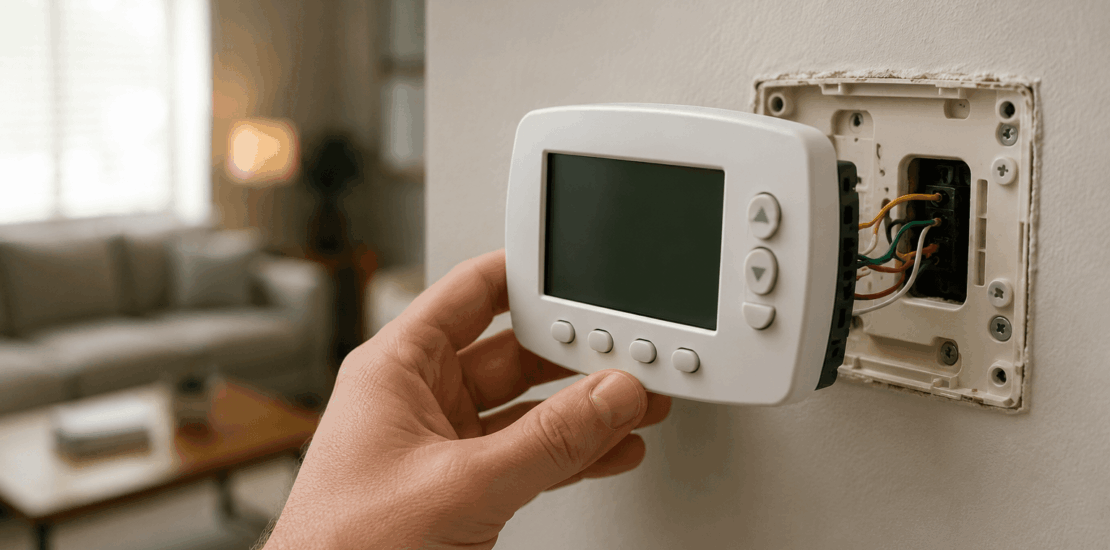
Why does my thermostat have no power?
Why does my thermostat have no power
A thermostat with no power can be a frustrating issue. It disrupts your home’s comfort and can lead to bigger problems. Understanding why your thermostat has no power is crucial.
There are several reasons for this common problem. It could be as simple as dead batteries or a tripped circuit breaker.
Sometimes, the issue might be more complex, like a malfunctioning transformer or loose wiring. Identifying the root cause is the first step to resolving it.
This guide will help you troubleshoot and fix thermostat power issues. You’ll learn how to restore power and prevent future problems.
By following these steps, you can regain control over your home’s temperature.
Common Signs of Thermostat Power Issues
A thermostat not working is often due to power problems. Recognizing these signs can save time and effort.
One common sign is a blank thermostat display. This indicates no power is reaching the unit.
Another indicator is the HVAC system not activating when you adjust the thermostat. This suggests power isn’t effectively being communicated.
Here’s a quick list of symptoms pointing to thermostat power issues:
- Blank or unresponsive display
- HVAC system not responding
- Erratic temperature readings
- Flickering or dim display
These signs can highlight an underlying power issue needing your attention.
Also Read: How to reset thermostat?
How Thermostats Get Power: The Basics
Understanding how thermostats receive power is crucial. Most thermostats connect to the HVAC system, drawing power directly from it.
Traditional thermostats often rely on a low-voltage power source. This is usually provided by a transformer connected to your home’s electrical system.
Modern smart thermostats, like the Nest, frequently require a continuous power supply. This is sometimes provided by a common wire, or C-wire.
To better understand thermostat power sources, consider:
- Low-voltage systems using a transformer
- Battery-powered models needing fresh batteries
- Smart thermostats utilizing C-wires for constant power
Checking the power source and requirements of your thermostat can prevent power issues. Understanding these basics can guide troubleshooting efforts efficiently.
Also Read: AC Not Keeping Up with Temperature
Top Reasons for No Power to Thermostat
Many issues can disrupt power to a thermostat. Understanding these common problems can assist in identifying solutions swiftly.
One frequent cause is a tripped circuit breaker or blown fuse. These issues can easily disrupt power flow to the thermostat.
Additionally, wiring problems can prevent power from reaching your thermostat. Loose or damaged wires are often to blame.
Malfunctions in the transformer or power supply can also hinder power delivery. Without proper voltage, the thermostat won’t function.
Smart thermostats, especially those like Nest, sometimes face C-wire issues. This can impact their ability to maintain a constant power supply.
Furthermore, environmental and installation factors must be considered. Elements such as humidity and incorrect mounting can disrupt function.
Common reasons include:
- Tripped breaker or blown fuse
- Damaged or disconnected wiring
- Transformer or power supply issues
- Smart thermostat C-wire problems
- Environmental and installation factors
Addressing these issues typically resolves power problems efficiently and restores control over home temperatures.
Dead Batteries in Battery-Powered Thermostats
Battery-powered thermostats depend on functional batteries to work. Dead batteries lead to power loss, leaving the thermostat inactive.
Regular battery checks help prevent this issue. Replacing batteries when necessary ensures the thermostat operates smoothly.
For battery-powered thermostats, consider:
- Checking for low battery warnings
- Replacing batteries with fresh ones
- Regular maintenance and battery checks
Ignoring battery status can lead to unwanted thermostat downtime, affecting home comfort levels.
Tripped Circuit Breaker or Blown Fuse
Circuit breakers protect home electrical systems. When tripped, they cut power, affecting devices like thermostats.
A blown fuse in the HVAC system can also disconnect power. Checking these can quickly identify the problem.
To resolve, try:
- Inspecting the electrical panel for tripped breakers
- Resetting the breaker or replacing the fuse
- Regularly monitoring electrical panels
Quickly addressing these electrical issues can restore power to your thermostat efficiently.
Loose, Damaged, or Disconnected Wiring
Wiring issues often cause power problems in thermostats. Loose or corroded connections can interrupt power flow.
Inspecting wires for damage is crucial. Secure and replace damaged wires as needed for proper function.
Address wiring issues by:
- Checking for loose or corroded wires
- Ensuring all connections are secure
- Replacing damaged wires promptly
Regular inspection of thermostat wiring can prevent power disruption, maintaining consistent home comfort.
Malfunctioning Transformer or Power Supply
Transformers convert high voltage into low voltage for thermostats. A malfunctioning transformer disrupts this process, leading to power loss.
Testing the transformer with a multimeter can diagnose issues. If faulty, replacing the transformer is necessary.
Troubleshoot these issues by:
- Testing the transformer with a multimeter
- Checking connections and voltage output
- Replacing faulty transformers quickly
Identifying and resolving power supply issues ensures thermostats receive the needed voltage to function properly.
C-Wire and Smart Thermostat Power Issues
Smart thermostats often require a C-wire for constant power. Missing or improperly connected C-wires can cause power issues.
Checking C-wire connections ensures uninterrupted power. These connections are crucial for smart thermostats like the Nest.
Focus on resolving C-wire issues by:
- Ensuring the C-wire is properly connected
- Verifying compatibility with the thermostat model
- Installing missing C-wires if necessary
Properly addressing C-wire issues maintains power for smart thermostats, allowing them to work efficiently.
Environmental and Installation Factors
Environmental elements can impact thermostat function. High humidity or dirt accumulation may disrupt electrical contacts.
Incorrect mounting can also cause power issues. Ensuring proper installation helps maintain consistent power.
Consider these factors:
- Cleaning dust or dirt from the thermostat
- Properly mounting the unit on the wall
- Avoiding installation in high-humidity areas
Regular checks on installation and environment help prevent unnecessary power problems, keeping temperatures controlled and stable.
Also Read: Diy tips for air conditioning repair
Troubleshooting Steps: What to Do When Your Thermostat Has No Power
When your thermostat lacks power, start with basic checks. Simple issues often cause major problems if overlooked.
Firstly, verify if the thermostat is turned on. It may seem trivial, but it’s a common oversight.
Next, inspect the batteries if your thermostat uses them. Replace old batteries with fresh ones to test for power restoration.
Once batteries are ruled out, examine your home’s circuit breakers. A tripped breaker can block electricity flow to your thermostat.
Ensure all switches in your electrical panel remain in the correct position. Resetting can often resolve power issues efficiently.
Additionally, check for a blown fuse in your HVAC system. Replace any damaged fuses to restore power.
Inspect the wiring for loose or disconnected wires. Securely connect all wiring to ensure a consistent power flow.
If your thermostat is smart, examine the C-wire connection. A secure C-wire is essential for maintaining power.
Here are quick troubleshooting steps:
- Verify thermostat power switch
- Replace batteries in battery-operated units
- Check and reset circuit breakers
- Replace blown fuses
And for advanced issues:
- Inspect and secure wiring connections
- Ensure proper C-wire connectivity
- Test transformer using a multimeter
If problems persist, resetting the thermostat may help. Power cycling, by turning the unit off and on, can fix temporary glitches.
Consult the thermostat manual for any specific reset instructions. Sometimes a simple reset can solve complex issues.
When standard troubleshooting does not work, considering professional help is wise. Expert technicians can diagnose and resolve intricate electrical problems efficiently.
When to Call a Professional
When basic troubleshooting fails to restore power, consider expert assistance. Some thermostat power issues are too complex for DIY fixes.
Professional HVAC technicians possess the skills to diagnose hidden problems in your system. This helps avoid further complications and ensures a proper solution.
Consider calling a professional if:
- Wiring issues persist
- Circuit breakers frequently trip
- Transformer problems are detected
Professionals can provide an accurate diagnosis and efficient solution, preventing future power issues and ensuring your HVAC system works optimally.

Preventing Future Thermostat Power Problems
Proactive measures can keep your thermostat powered reliably. Regular maintenance and inspections help in spotting potential issues early.
Keeping wiring and components in good shape reduces the risk of power loss. This contributes to consistent performance and energy efficiency.
Here are some tips to prevent future problems:
- Schedule regular HVAC maintenance
- Check and replace batteries as needed
- Ensure correct installation procedures
Additionally, keep your thermostat clean and free from dust. This small step can enhance your system’s longevity and reliability.
Also Read: Why is my ac blinking cool on?
Frequently Asked Questions About Thermostat Power Issues
Why is there no power to my thermostat?
Several issues can lead to no power. These include dead batteries, wiring troubles, or transformer failures.
Can I fix thermostat problems myself?
Yes, simple issues like battery replacements or circuit breaker resets are DIY. However, complex problems may need expert help.
How often should I check my thermostat’s power supply?
Regular checks every few months are wise. Frequent checks prevent unexpected outages and identify issues early.
What tools help in fixing power issues?
A multimeter can test electrical connections. Also, having a basic screwdriver set can assist in resolving wiring issues.
- Check batteries regularly
- Inspect wiring connections
- Test with a multimeter as needed
Conclusion: Restoring Comfort and Control
Thermostat power issues can disrupt your home’s comfort. By understanding common problems and troubleshooting steps, you can often restore power quickly.
Don’t hesitate to seek professional assistance for complex issues. Consistent maintenance and attention to your thermostat can help prevent future problems and ensure your HVAC system operates efficiently. Stay proactive to keep your environment comfortable year-round.