
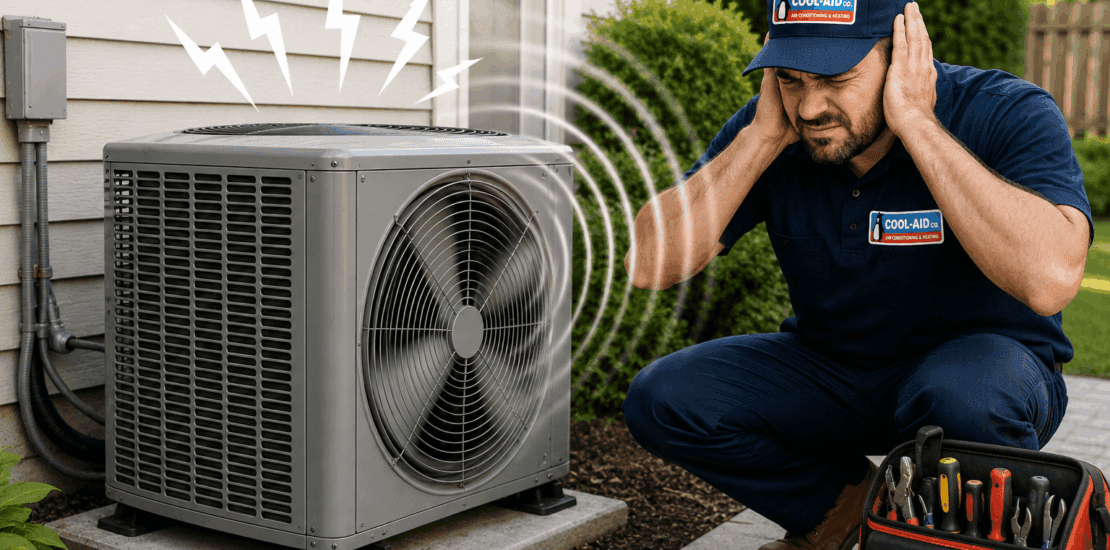
Causes of AC outdoor unit very loud
Causes of AC outdoor unit very loud
A very loud outdoor AC unit is more than an annoyance. It can be a warning sign that something is loose, worn, clogged, unbalanced, or failing inside the system. Some sounds are simple homeowner fixes, such as clearing debris around the condenser. Others can point to electrical issues, refrigerant problems, failing motors, or compressor trouble that should be handled by a licensed HVAC technician.
This guide explains the most common ac outdoor unit noise causes, what different sounds usually mean, how to troubleshoot safely, and when to stop investigating and call a pro.
First: know what “normal” outdoor AC sound is
Your outdoor unit, also called the condenser unit, is not silent. During normal cooling, you may hear:
- A steady fan sound
- A low electrical hum
- A soft whoosh of air through the coil
- A click when the system starts or stops
- A brief vibration when the compressor starts
Normal operation should sound relatively consistent. If the unit suddenly becomes louder, starts making a new sound, shakes, rattles, grinds, screeches, bangs, buzzes, or cycles on and off repeatedly, it is worth investigating.
A key clue is whether the noise from ac happens:
- Only at startup
- Only while running
- Only when shutting off
- Constantly throughout the cooling cycle
- After a storm, yard work, or recent service
- Along with poor cooling, warm air, tripped breakers, ice buildup, or higher energy bills
The sound pattern can help narrow down what is happening.
Safety notes before troubleshooting
Before touching or inspecting the outdoor unit, follow these safety basics:
- Turn the system off at the thermostat. Set the AC to off so it does not start unexpectedly.
- Shut off power to the outdoor unit. Use the outdoor disconnect box near the condenser if you know how to do so safely.
- Do not open electrical panels unless qualified. Capacitors can hold a dangerous charge even when power is off.
- Do not reach into the fan area. Fan blades can cause injury, and the unit may start unexpectedly if power is not fully disconnected.
- Do not handle refrigerant lines. Refrigerant work requires proper tools, training, and certification.
- Call an HVAC pro if you smell burning, see smoke, hear loud electrical buzzing, or the breaker trips repeatedly.
If you are unsure whether power is fully off, do not touch the unit. Visual inspection from a safe distance is fine, but internal testing should be left to a professional.
Also Read: Loud noise from ac unit
What different outdoor AC noises can mean
Outdoor unit noise can come from several components: the fan blade, fan motor, compressor, contactor, capacitor, refrigerant lines, cabinet panels, mounting pad, or nearby debris. The type of sound often points to the likely cause.
Rattling
A rattling sound is one of the most common outdoor AC complaints. It may mean:
- Loose cabinet screws or panels
- A loose fan grille
- Twigs, leaves, mulch, or stones inside the unit
- A fan blade hitting debris
- Worn motor bearings
- Loose refrigerant lines vibrating against the cabinet or wall
- An aging compressor with internal wear
A light rattle may be simple to fix if it is caused by debris or a loose panel. A deep internal rattle that gets worse over time should be checked by an HVAC technician.
Buzzing
Buzzing can be mild or serious. Possible causes include:
- A failing contactor
- A weak capacitor
- Electrical arcing
- Loose wiring
- A fan motor struggling to start
- A compressor trying to start but failing
- Debris restricting the fan
- Frozen refrigerant lines or low refrigerant symptoms
A loud electrical buzz is not something to ignore. If the outdoor unit buzzes but the fan does not spin, turn the system off and call a pro. Continuing to run it can damage the compressor or motor.
Also Read: How to repair heating and air conditioning
Grinding
Grinding usually points to mechanical wear. Common causes include:
- Bad fan motor bearings
- A fan blade rubbing against the housing
- Internal compressor wear
- Debris caught near moving parts
Grinding is rarely normal. Turn off the AC and schedule service. Running the unit while parts are grinding can turn a repairable problem into a major failure.
Screeching or squealing
A high-pitched squeal or screech often means a motor bearing or internal component is under stress. It may come from:
- Outdoor fan motor bearings
- A failing motor
- High internal pressure in the compressor
- Metal-on-metal contact
If the sound is sharp, loud, or sudden, shut the system off. A screeching outdoor unit should be inspected professionally.
Banging or clanking
Banging, clanking, or heavy knocking can indicate something is loose or broken. Possible causes include:
- Loose fan blade
- Broken fan blade
- Fan blade hitting the grille
- Loose compressor parts
- Compressor starting or stopping harshly
- Unit out of level, causing vibration
This sound should not be ignored. A loose blade can damage the coil, motor, or cabinet. A compressor-related bang may signal a more expensive issue.
Humming
A low hum can be normal, but a loud hum may mean trouble. Watch for humming paired with:
- Fan not spinning
- Compressor not starting
- Outdoor unit getting hot
- Breaker tripping
- Cooling performance dropping
Possible causes include a bad capacitor, stuck fan motor, failing contactor, or compressor start problem. Electrical diagnosis should be handled by an HVAC professional.
Clicking
One click at startup or shutdown is usually normal. Repeated clicking may suggest:
- A failing relay or contactor
- Thermostat signal issues
- Electrical control problems
- Short cycling
- Loose electrical connections
If clicking repeats rapidly or the unit does not start, turn it off and call for service.
Hissing or bubbling
A brief hiss as pressures equalize may happen in some systems, but ongoing hissing, bubbling, or a sound like escaping air can indicate:
- Refrigerant leak
- Pressure issue
- Damaged refrigerant line
- Leaking service valve
Refrigerant problems are not DIY repairs. If you hear hissing and the AC is not cooling well, contact a licensed HVAC technician.
Also Read: How Often to Service HVAC?
Common causes of a very loud outdoor AC unit
Many homeowners search for outdoor unit noise because the sound seems to appear suddenly. Here are the most common reasons it happens.
1. Debris inside or around the condenser
Outdoor units sit in the yard year-round, so they collect leaves, grass clippings, sticks, seed pods, mulch, and small stones. Debris can fall through the top grille or get pulled toward the coil while the fan runs.
Signs debris may be the issue:
- Rattling or scraping sound
- Noise began after a storm or mowing
- Visible leaves or sticks inside the grille
- Fan sound is uneven
- Airflow around the unit seems restricted
What you can do:
- Turn off power first.
- Remove loose leaves and debris around the unit.
- Maintain clear space around the condenser.
- Do not insert tools through the grille while the unit is powered.
- If debris is inside and cannot be safely removed, call a technician.
Keeping the area clean is one of the easiest ways to reduce noise and improve airflow.
2. Loose panels, screws, or grille parts
The outdoor unit vibrates during normal operation. Over time, screws can loosen and panels can begin to rattle. This is especially common after years of heating and cooling cycles, storms, service visits, or movement of the unit.
Signs of loose parts:
- Metallic rattling
- Noise changes when the unit starts or stops
- Cabinet panel visibly vibrating
- Sound stops if wind direction changes
DIY check:
- With power off, inspect visible screws.
- Look for loose side panels or a loose top grille.
- Do not overtighten screws into stripped holes.
- Avoid removing protective panels unless you know what you are doing.
If the rattle is coming from inside the unit, do not keep running the system until it is inspected.
3. Fan blade problems
The outdoor fan pulls air through the condenser coil and releases heat outside. If the blade is bent, cracked, loose, unbalanced, or hitting something, the unit can become very loud.
Possible fan blade noise:
- Thumping
- Wobbling
- Rhythmic scraping
- Clanking
- Heavy vibration
Common causes include storm debris, improper cleaning, age, accidental impact, or a loose mounting hub.
What homeowners can check:
- Turn off power.
- Look through the grille for obvious blade damage.
- Check whether debris is near the blade.
- Do not try to bend the blade back into shape.
- Do not run the unit if the blade is wobbling.
A damaged fan blade can harm the motor or puncture the coil. Replacement should be handled by an HVAC technician.
4. Failing outdoor fan motor
A failing fan motor is a frequent source of noise from ac outdoor units. The motor may develop worn bearings, electrical trouble, or overheating.
Signs the fan motor may be failing:
- Grinding or squealing
- Fan starts slowly
- Fan stops while compressor continues humming
- Unit overheats
- Burning smell
- Fan blade spins unevenly
- Outdoor unit becomes louder as it runs
This is usually a pro repair. The technician may test voltage, capacitor performance, motor amperage, and bearing condition before recommending repair or replacement.
5. Bad capacitor or start component
The capacitor helps the fan motor or compressor start and run. When it weakens, the unit may hum, buzz, click, or struggle to start.
Common signs:
- Outdoor unit hums but fan does not start
- AC starts after a delay
- System shuts off unexpectedly
- Breaker trips
- Fan needs a “push” to start, which you should not attempt
- Compressor makes a strained sound
A bad capacitor is common, but it is not a safe DIY part for most homeowners because it can store electrical charge. Turn the unit off and call an HVAC professional.
6. Compressor issues
The compressor is the heart of the cooling system. It circulates refrigerant and creates the pressure difference needed for cooling. Compressor noise can be serious.
Possible compressor-related sounds:
- Loud buzzing
- Hard starting thud
- Banging at startup or shutdown
- Deep rattling
- Grinding
- Loud humming with no cooling
Compressor problems may come from electrical issues, overheating, age, refrigerant problems, or internal mechanical wear. Because the compressor is one of the most expensive components in the system, shut the AC off if you hear harsh compressor-like noises and schedule service promptly.
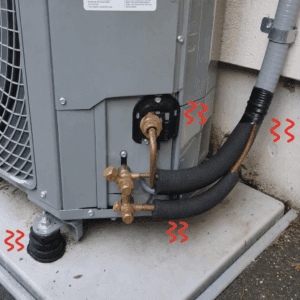
7. Refrigerant line vibration
Refrigerant lines run between the indoor and outdoor equipment. If a line is touching the wall, siding, floor joist, cabinet, or another hard surface, it can transmit vibration and create a loud buzzing or rattling noise.
Clues include:
- Noise seems to come from the wall near the outdoor unit
- Buzzing inside the house when AC runs
- Rattle changes when the line moves slightly
- Sound is worse at certain operating speeds
A technician can secure or isolate the lines with proper supports. Avoid bending refrigerant lines yourself, because kinks or damage can cause costly problems.
8. Dirty condenser coil and restricted airflow
When the outdoor coil is clogged with dirt, cottonwood, pollen, grass clippings, or dust, the system has to work harder to release heat. Restricted airflow can make the fan and compressor sound louder than usual.
Signs of restricted airflow:
- Unit sounds louder during hot weather
- AC runs longer than normal
- Cooling is weak
- Outdoor unit feels very hot
- Coil looks dirty or matted
- Energy bills rise
Homeowners can gently clear debris around the unit and keep plants trimmed back. For deeper coil cleaning, annual professional maintenance is best, especially if the coil is heavily clogged or delicate fins are bent.
9. Unit is not level or the mounting pad is unstable
An outdoor condenser should sit on a stable, level pad. Over time, soil can settle, roots can shift, or the pad can sink. When the unit is not level, vibration may increase and refrigerant oil return can be affected in some systems.
Signs of mounting problems:
- Unit visibly leans
- Vibration travels through the ground or wall
- Noise gets worse over time
- Refrigerant lines appear strained
- Cabinet shakes during startup
Do not try to lift or reposition the condenser yourself. The refrigerant lines and electrical connections can be damaged. An air conditioning repair professional can assess the pad and recommend safe correction.
10. Aging system components
As an AC system ages, motors, bearings, contactors, compressors, fan blades, and rubber isolation parts can wear down. A gradual increase in outdoor unit noise may simply mean parts are nearing the end of their service life.
Aging-related noise may sound like:
- Louder startup
- More vibration
- Rougher fan operation
- Intermittent buzzing
- More frequent rattles
- Longer run times
Maintenance can reduce noise and extend equipment life, but some worn parts eventually need replacement. If repairs are becoming frequent, ask your HVAC contractor whether continued repair or system replacement makes more sense.
Step-by-step troubleshooting for homeowners
Use these steps to narrow down the cause before calling for service. Stop at any point if you feel unsafe or the sound seems serious.
Step 1: Turn the system off
Start at the thermostat and set cooling to off. If the noise is loud, electrical, grinding, or banging, also shut off the outdoor disconnect if you can do so safely.
Step 2: Note the sound
Write down what you hear. Is it rattling, buzzing, grinding, squealing, humming, clicking, hissing, or banging? Also note when it happens.
Helpful details include:
- Does it happen at startup?
- Does it continue while running?
- Does it stop when the fan stops?
- Does the house still cool properly?
- Did the breaker trip?
- Did the noise begin after a storm or maintenance visit?
These observations help the technician diagnose faster.
Step 3: Inspect the area around the unit
Look for obvious issues:
- Leaves packed around the base
- Overgrown shrubs
- Grass clippings on the coil
- Branches touching the cabinet
- Mulch or stones near the fan area
- Loose objects leaning against the unit
Clear away debris and create open airflow around the condenser.
Step 4: Look through the grille without reaching inside
With power off, visually inspect the fan area. Look for:
- Sticks or leaves near the fan blade
- Bent fan blade
- Loose grille
- Missing screws
- Signs of impact
- Ice on refrigerant lines
- Oil stains near refrigerant connections
Do not put your hands inside the cabinet or remove parts unless you are qualified.
Step 5: Restart only if the issue appears minor
If you only cleared leaves around the unit or tightened an obvious exterior screw, you may restart the AC and listen from a safe distance. If the loud noise remains, turn the system off again.
Do not keep testing a unit that makes grinding, screeching, heavy banging, loud buzzing, or repeated clicking.
Step 6: Call an HVAC professional when needed
Call for service if:
- The fan does not spin
- The unit buzzes loudly
- You hear grinding or screeching
- The breaker trips
- Cooling is weak or warm
- Ice is present
- You suspect refrigerant leakage
- The compressor sounds unusually loud
- The unit shakes heavily
- The noise returns after basic cleaning
A trained technician can safely test electrical components, refrigerant pressures, motor condition, airflow, and compressor operation.
DIY checks versus professional repairs
Some AC noise issues are safe for homeowners to investigate. Others require tools, training, and electrical safety knowledge.
Homeowner-friendly checks usually include:
- Clearing leaves, branches, and grass clippings around the unit
- Trimming vegetation for better airflow
- Checking for obvious loose exterior screws with power off
- Noting when the noise happens
- Replacing a dirty indoor air filter
- Making sure supply and return vents are open indoors
- Scheduling routine maintenance
Professional repairs should include:
- Electrical testing
- Capacitor replacement
- Contactor or relay replacement
- Fan motor replacement
- Compressor diagnosis
- Refrigerant leak detection
- Refrigerant charging
- Fan blade replacement
- Coil disassembly and deep cleaning
- Condenser leveling or relocation
- Repairing damaged refrigerant lines
A good rule: if the fix requires opening the electrical compartment, handling refrigerant, removing the fan assembly, or working around moving parts, call a pro.
How to prevent outdoor AC noise
Preventive maintenance is the best way to avoid sudden loud noises and expensive repairs. Homeowners can reduce many ac outdoor unit noise causes with simple habits.
Keep the condenser clear
Maintain open space around the unit. Trim shrubs, remove weeds, and avoid stacking items nearby. Good airflow helps the system operate more quietly and efficiently.
Be careful when mowing or landscaping
Grass clippings, mulch, gravel, and weed trimmer debris can enter the unit or damage the coil. Point discharge away from the condenser and avoid bumping the cabinet.
Replace the indoor air filter
A clogged indoor filter can reduce airflow and make the whole cooling system work harder. While the filter is inside, poor airflow can contribute to longer run times and system strain.
Schedule seasonal maintenance
Professional maintenance can identify loose parts, weak capacitors, dirty coils, worn motors, and early warning signs before they become loud breakdowns.
Pay attention to new sounds
Do not wait until a minor rattle becomes a major clank. New noises are often easier and cheaper to address early.
When a loud outdoor unit is an emergency
Some noises are more urgent than others. Shut the system off and call for help right away if you notice:
- Burning smell
- Smoke
- Sparks
- Loud electrical buzzing
- Repeated breaker trips
- Grinding metal sounds
- Screeching from the fan or compressor area
- Hissing with poor cooling
- Heavy banging or shaking
- Fan not spinning while the unit hums
Running the AC in these conditions may damage the compressor, create electrical hazards, or lead to a more expensive repair.
Should you repair or replace a noisy outdoor AC unit?
The right choice depends on the age of the system, the cause of the noise, repair cost, efficiency, refrigerant type, comfort performance, and repair history.
Repair may make sense if:
- The issue is a minor part
- The system otherwise cools well
- The equipment is not very old
- Repairs have been infrequent
- The unit has been maintained
Replacement may be worth discussing if:
- The compressor is failing
- Repairs are becoming frequent
- The system is older and inefficient
- The outdoor unit is very loud even after service
- Cooling performance is poor
- Major components are no longer cost-effective to replace
You do not have to decide immediately based on noise alone. A trustworthy HVAC technician can identify the cause and explain your options.
FAQs about loud outdoor AC units
Why is my outside AC unit suddenly so loud?
A sudden loud sound may be caused by debris, a loose panel, a damaged fan blade, a failing motor, electrical trouble, or compressor issues. Turn the system off if the sound is harsh, metallic, electrical, or accompanied by poor cooling.
Is outdoor unit noise normal?
Some sound is normal. A steady fan noise, mild hum, and occasional click are expected. New, louder, irregular, or aggressive sounds are not normal and should be checked.
Can I run my AC if the outdoor unit is buzzing?
If the unit is buzzing loudly, especially if the fan is not spinning or the system is not cooling, turn it off. Buzzing can indicate electrical or start-component problems that may damage the system if ignored.
What does it mean if my AC outdoor unit is rattling?
Rattling often points to loose panels, loose screws, debris inside the unit, fan blade issues, or vibration from refrigerant lines. If clearing the area and checking exterior screws does not solve it, call an HVAC professional.
Why does my outdoor AC unit make a grinding noise?
Grinding usually means mechanical wear or contact between moving parts. A bad fan motor bearing, damaged fan blade, or compressor issue may be involved. Shut off the unit and schedule service.
Can a dirty condenser make the AC louder?
Yes. A dirty condenser coil restricts airflow, which can make the fan and compressor work harder. This may increase noise, reduce cooling, and raise energy use.
Is a loud compressor always bad?
Not always, but compressor noises should be taken seriously. Loud buzzing, banging, grinding, or hard-starting sounds can point to electrical or mechanical issues. Professional diagnosis is recommended.
Can I fix a loud AC outdoor unit myself?
You can safely check for debris, vegetation, loose exterior panels, and a dirty indoor filter. Electrical parts, refrigerant issues, fan motor problems, compressor diagnosis, and internal repairs should be handled by a licensed HVAC technician.
How do I make my outside AC unit quieter?
Start with maintenance: clear debris, improve airflow, replace dirty filters, tighten obvious exterior screws with power off, and schedule professional service. If the unit is still loud, it may need motor, fan, compressor, or vibration repairs.
When should I call an HVAC pro for noise from AC equipment?
Call a pro if you hear grinding, screeching, loud buzzing, repeated clicking, hissing, banging, or heavy vibration. Also call if the AC is not cooling, the fan will not spin, ice appears, or the breaker trips.
The bottom line
A very loud outdoor AC unit usually has a cause, and the sound itself is an important diagnostic clue. Rattling may be debris or loose panels. Buzzing may be electrical. Grinding or screeching may be motor wear. Banging can mean loose or damaged parts. Hissing can point to refrigerant trouble.
Start with safe, simple checks: turn the system off, clear debris, look for visible damage, and note when the sound happens. If the noise is severe, electrical, metallic, or paired with poor cooling, do not keep running the system. Call a qualified HVAC professional to inspect the unit, protect your equipment, and restore quiet, reliable cooling.