Heater not working in house? Troubleshoot & Fix Now
Why is my heat not working in my house?
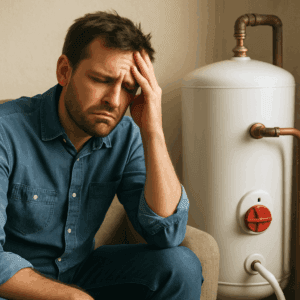
A cold house in winter can be quite uncomfortable. If you’re wondering why your heat isn’t working, the cause is often straightforward. Problems may come from the thermostat, power issues, restricted airflow, fuel supply, or worn-out parts. Many of these issues are easy to resolve on your own. If they aren’t, a professional can assist you.
Understanding why your heater is not working can save time, money, and stress. This guide shows the most common causes and the first steps to try.

There are many reasons your heat may not turn on. Some are easy to fix. Others need expert help.
Common reasons a heater stops working
Thermostat issues
A heater not working in house issue often starts with the thermostat. The thermostat tells the system when to heat your home. If it is set wrong, your heater may stay off.
- Wrong setting: Set the thermostat to Heat and make sure the set temp is above the room temp. This is one of the first things to check if you wonder why won’t my heat turn on.
- Dead batteries: Some thermostats run on batteries. If the batteries are dead, the thermostat will not work.
- Bad thermostat: If the setting is right and the batteries are good, the thermostat itself may need replacement.
Power problems
If your heater won’t turn on, check the power source first. Your heating system needs steady power to run well.
- Tripped breaker: Check the breaker panel and reset any tripped breaker.
- Blown fuse: If your system uses fuses, replace any blown fuse with the correct type.
- Power switch: Make sure the switch on the furnace or heater is on. It may have been turned off by mistake.

Pilot Light or Ignition Issues
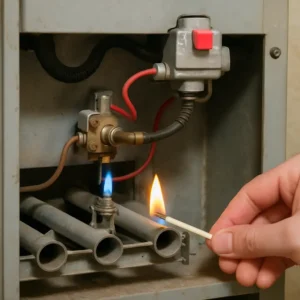
For gas heaters, the pilot light or ignition system is key. Without it, the heater cannot make heat.
- Pilot light out: If your heater uses a pilot light, it may have gone out.
- Bad ignition system: Newer furnaces use electronic ignition. If that system fails, a pro may need to find the problem.
Filter and airflow problems
A dirty filter or blocked airflow can stop your heater. Good airflow helps the system work the right way.
- Dirty air filter: A clogged filter can block airflow and make the heater overheat and shut down.
- Blocked vents: Open vents and keep them clear of furniture or other items.
Fuel supply issues
For gas or oil heaters, make sure the fuel supply is steady. Without fuel, the system cannot run.
- Gas supply: Make sure the gas valve is open and the gas supply is not interrupted.
- Oil supply: If you use an oil heater, check the tank often and refill it before it runs dry.
Mechanical failures
Sometimes the trouble is inside the system. Wear and tear can lead to mechanical failure, especially in older units. This can be due to electrical problems or wear, so it may need repair or replacement.
- Blower motor issues: If the blower motor is not working, air will not move through your home.
- Broken belts: In some systems, belts connect the motor to the blower. If a belt breaks, the heater may stop.
- Worn parts: Parts like bearings, fans, and valves can wear out over time.
Ductwork issues
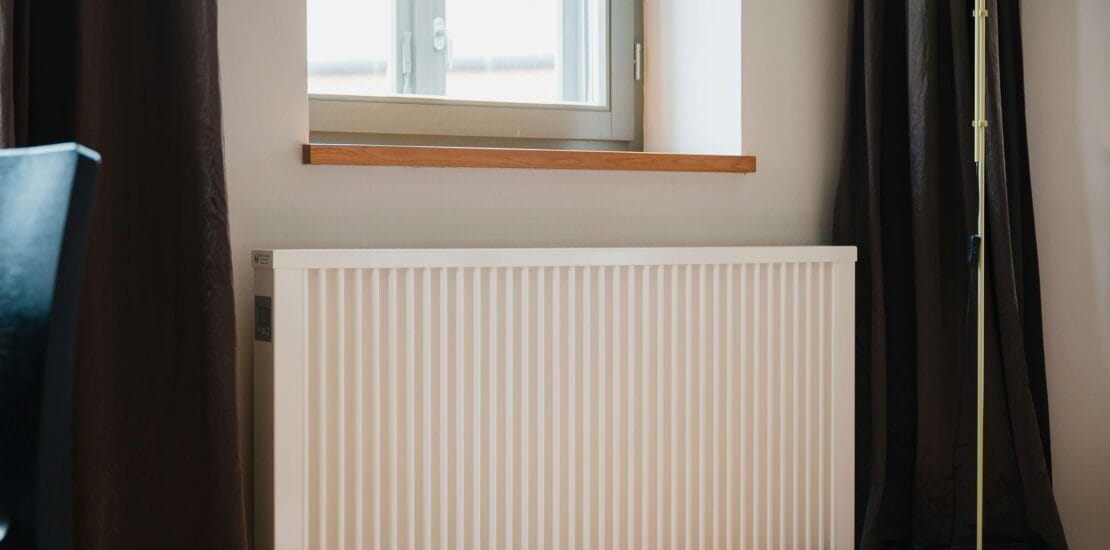
Sometimes, the problem isn’t with the heater itself, but with the ductwork that carries warm air around your home. Leaky, poorly designed, or uninsulated ducts can let heat escape or block airflow, making some rooms feel chilly.
- How to check: Walk around and feel for rooms that never seem to warm up. Look for obvious gaps or disconnected ducts in attics or basements. Listen for whistling sounds, which can mean leaks.
- What to do: If you suspect duct issues, a professional can run a duct inspection. They’ll look for leaks, bad connections, poor insulation, or design problems.
- Fixes: Sealing up leaks with mastic or metal tape, adding insulation, and correcting blockages can boost both comfort and efficiency.
Often, addressing ductwork can make as big a difference as repairing the heater itself.
When Lack of Maintenance Shuts Down Your Heater
Heaters that go too long without maintenance often start to have trouble—especially right when you need them most. Over time, dust and dirt can gather inside, filters can clog, and moving parts might begin to wear out. All of this can make your heater work harder than it should, often leading to unexpected breakdowns or poor performance.
Warning signs your heater may need some care
Keep an eye out for these hints that maintenance is overdue:
- Weak or irregular airflow from your vents
- Rooms heating unevenly, with cold spots
- Utility bills creeping up for no clear reason
- Your heater switching on and off more than usual
- Strange noises or odd smells while the system runs
What to do if maintenance was missed
If your heater has stopped working and you haven’t had it serviced in a while, here’s what you can try:
- Replace the air filter: A clogged filter is one of the most common reasons heaters struggle. Swap in a fresh one—most should be replaced every 1-3 months during heating season.
- Clear the vents and registers: Make sure nothing’s blocking the airflow at any supply or return vent. Open them fully and keep them free from furniture, curtains, or dust buildup.
- Look and listen: Sometimes, odd noises or burning smells can point to dust buildup or wear on internal parts. If you hear rattling, screeching, or banging, it’s often a sign that the system needs attention.
- Schedule a professional tune-up: Even with simple DIY fixes, most heating systems benefit from a yearly check by a qualified technician. They’ll clean key components, test for safe operation, and spot small issues before they become big headaches. Well-known brands like Carrier, Trane, or Lennox typically recommend annual service for reliability.
Taking care of regular maintenance goes a long way in making sure your house stays warm and cozy when winter rolls in. If you haven’t booked a service in a while and your heater gives you trouble, a tune-up could fix the issue—and save you money down the road.
What to do if your heater is not working
If you are asking what to do if heater is not working, these steps can help you find the cause.
Step 1: Check the thermostat
Start with the thermostat. A quick check can often solve the issue.
Make sure it is set to Heat. A small mistake can leave your home cold.
Replace the batteries if needed. Fresh batteries help the thermostat talk to the heater.
If the thermostat still seems bad, replace it.
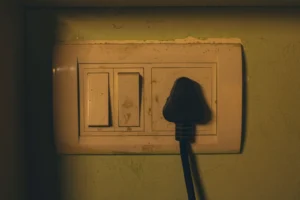
Step 2: Inspect the power supply

Photo by Parth Mishra on Unsplash
Check that your heating system has power.
Reset any tripped breakers.
Replace any blown fuses.
Make sure the heater’s power switch is on.
Step 3: Examine the pilot light or ignition system
For gas heaters, check the pilot light or ignition system.
Relight the pilot light if it is out.
If the pilot light will not stay lit, a faulty thermocouple may be the cause.
For electronic ignition, call a pro if you suspect a fault.
Step 4: Clean or replace the air filter
Make sure air can move freely through the system.
Replace dirty air filters.
Clear vents and ducts so air can flow well.
Step 5: Check the fuel supply
For gas or oil heaters, ensure the fuel supply is steady.
Check that the gas valve is open.
Check oil levels for oil-based heaters.
Step 6: Call a professional
If you have tried these steps and your heater still won’t turn on, call a professional. A trained tech can find harder problems and make safe repairs. Some of these issues may need professional heating repair.
Professional HVAC technicians bring more than just tools—they bring experience that can make all the difference. They can:
- Accurately diagnose complex issues
- Safely handle electrical repairs
- Check airflow throughout your system
- Detect refrigerant leaks
- Optimize system performance for better efficiency
- Improve your system’s long-term reliability
Working with a professional means your heating system is fixed safely and runs as it should, helping you avoid future breakdowns and costly mistakes.
Low refrigerant can impact heat pumps
If you use a heat pump instead of a traditional furnace—common in places like Houston—low refrigerant can leave you shivering. Heat pumps use refrigerant to absorb and move heat into your home. If the refrigerant level drops because of a leak, your system simply won’t heat as it should.
Signs of Low Refrigerant in a Heat Pump
Low refrigerant can make your heat pump struggle to keep your home warm. There are some clear signs to watch for if you suspect this could be the problem:
- Heat pump never shuts off: If your heat pump seems to run nonstop but your house stays chilly, low refrigerant may be the culprit.
- Frost or ice on the outdoor unit: Ice buildup, especially in mild temperatures, can signal a refrigerant problem rather than typical winter frost.
- Sudden spike in energy bills: When the system is low on refrigerant, it works harder and uses more power, causing your utility costs to climb.
- Weaker airflow or lukewarm air: If the air coming from your vents is less warm than usual or the system isn’t keeping up, low refrigerant could be affecting the heat transfer process.
Why are refrigerant leaks a serious issue for heating systems?
If your heating system uses refrigerant, a leak is more than a small nuisance—it can lead to big problems fast. When refrigerant gets too low, your system can’t move heat efficiently. This causes several headaches:
- Strain on the compressor: The compressor has to work harder with less refrigerant, increasing stress and the risk of an expensive breakdown.
- Lower energy efficiency: Your heater will run longer to reach the set temperature, which means higher utility bills.
- Overheating and system shutdowns: Insufficient refrigerant can cause your system to overheat, sometimes triggering safety switches that shut the unit off.
- Early failure: Over time, operating on low refrigerant can permanently damage key components, leading to costly repairs or the need to replace your equipment much sooner than you’d expect.
Catching refrigerant leaks early keeps your system running smoothly and extends its life. If you suspect a leak, A professional HVAC technician is needed to fix refrigerant problems. They’ll look for leaks, repair the line, and refill the refrigerant to the correct level. Avoid running your heat pump with low refrigerant for long—this can shorten its lifespan and leave you facing bigger repair bills later.
Why prompt heating repair is important
Dealing with heating issues as soon as they arise is a smart move for any homeowner. Quick repairs can keep small problems from turning into bigger headaches.
Here’s why it matters:
- Avoid costly breakdowns: Minor fixes now prevent major system failures later.
- Save money: A well-tuned system uses less energy, keeping your utility bills under control.
- Improve air quality: Working air filters and vents mean cleaner air for everyone inside.
- Stay safe: Prompt repairs can reduce risks like gas leaks or electrical faults.
Keeping your heating system in good shape also helps it last longer, so you get more years of reliable warmth. Taking action early means fewer surprises and a safer, more comfortable home.
Why leave electrical HVAC repairs to the pros?
While it can be tempting to fix electrical issues yourself, working with heating system wiring is a different ballgame than flipping a breaker. Electrical HVAC repairs involve high voltage and complex circuits. One wrong move—and you might trip more than a breaker. You risk electric shock, fire hazards, or even causing further damage to your system.
Licensed professionals have the right tools, safety training, and experience to track down electrical problems and fix them safely. Beyond keeping you safe, they’ll also make sure any repairs meet local codes—so you won’t run into headaches down the road. When it comes to anything electrical, your best bet is always to call in a qualified technician.
When to consider heating system replacement
Repairs can fix many heating problems, but not all of them. In some cases, a new system can save money over time.
Signs it is time for a new heater
- Age: Most heaters last 15 to 20 years. If yours is older, it may be time to replace it.
- Frequent repairs: If you keep fixing the heater, a new unit may be cheaper in the long run. Frequent breakdowns can lead to rising costs and poor performance.
- High energy bills: An old system can use too much energy.
- Uneven heating: If some rooms stay cold, a new system may help.
Benefits of a new heating system
- Better energy use: New systems use less energy.
- More even heat: Heat is spread more evenly.
- Lower maintenance costs: New systems often need fewer repairs.
- More comfort in your home: A reliable system helps you feel warm and safe.
If you keep asking why is my heat not working in my house, these checks can help narrow down the cause.
Conclusion
Understanding why your heat is not working can help you fix the issue and bring comfort back to your home.
Whether it is a simple fix or a job for a pro, knowing what to look for can save you time and stress.
Keep your heating system well maintained to prevent common problems and help it run well when you need it most.
Regular maintenance is one of the easiest ways to avoid heating breakdowns. Over time, dust, dirt, and debris can build up inside your heater, leading to restricted airflow, reduced efficiency, and more wear on key parts. Dirty air filters, clogged components, or worn electrical connections can all cause your heater to work harder—or stop working altogether.
Watch for signs you need heating maintenance:
- Weak airflow or uneven heat
- Higher utility bills than usual
- Frequent on-and-off cycling
- Odd smells or strange noises
If you notice any of these, or if your heater hasn’t been serviced in a while, scheduling a professional tune-up can help catch small problems before they turn into major repairs.
If your heater keeps acting up or is near the end of its life, think about a new, more efficient system.
Stay warm by staying ahead of heating maintenance and repair.
If you keep wondering why is my heat not working in my house or why is the heat not working in my house, these checks can help narrow down the cause.
Many homeowners in cold weather ask why isn’t my heat working or why won’t my heat kick on. This guide helps answer that.
Q&A
1: What should I check first if my heat won’t turn on?
Start with the thermostat. Set it to Heat, raise the setpoint above room temp, and replace the batteries if it uses them. A bad setting or dead battery is one of the easiest fixes.
2: My thermostat looks fine. What should I try next?
Check the power. Reset any tripped breakers, replace blown fuses with the right type, and make sure the service switch is on.
3: I have a gas furnace and the pilot light is out. Can I relight it myself?
If your unit has a standing pilot and the manual shows how, you can relight it carefully. If it will not stay lit, stop and call a pro. It may be a bad thermocouple, gas valve, or another issue.
4: Can a dirty air filter really stop my heater from working?
Yes. A clogged filter blocks airflow and can make the heater overheat and shut down. Replace the filter and keep vents clear.
5: When should I stop troubleshooting and call a professional?
A malfunctioning heater is more than just a nuisance—it can also create safety hazards and drive up your energy costs. Heating equipment is one of the leading causes of home fires during the colder months, so regular maintenance and prompt repairs are not just about comfort—they’re about keeping your home and family safe. If simple troubleshooting doesn’t restore your heat, or if you notice repeated issues like ignition trouble, fuel supply problems, blower failure, or a pilot light that won’t stay lit, it’s time to call a qualified technician. Persistent problems or frequent breakdowns—especially in older units—often mean that replacement is the safer and more cost-effective option.
6: How often should I replace my furnace air filter to prevent shutdowns?
Check it each month during heating season. Replace it at least every 1 to 3 months, or sooner if it looks dirty, you have pets, or airflow is weak. A clean filter helps prevent overheating and short cycling.
6: What are signs of an ignition problem versus a thermostat issue?
Thermostat problems often mean the system never starts, especially with wrong settings or dead batteries. Ignition trouble can look like a furnace that starts a cycle but does not light, keeps clicking, or goes into lockout.
7: Is it safe to keep resetting a tripped breaker for my heater?
No. One reset after an overload is reasonable, but repeated trips point to a fault like a bad motor, short, or overload. Stop resetting it and call a professional to avoid damage or safety risks.
8: My rooms heat unevenly. Should I replace the system right away?
Not always. First, open and clear supply and return vents, replace the filter, and verify the blower is working. Ongoing uneven heat, especially in an older system, can point to duct or sizing problems and may justify a pro check or future replacement.
9: When is replacement cheaper than repair?
If the furnace is 15 to 20 years old, needs frequent or major repairs like blower motor or ignition control work, has rising energy bills, or still leaves rooms cold, a new efficient system can be cheaper over time.