
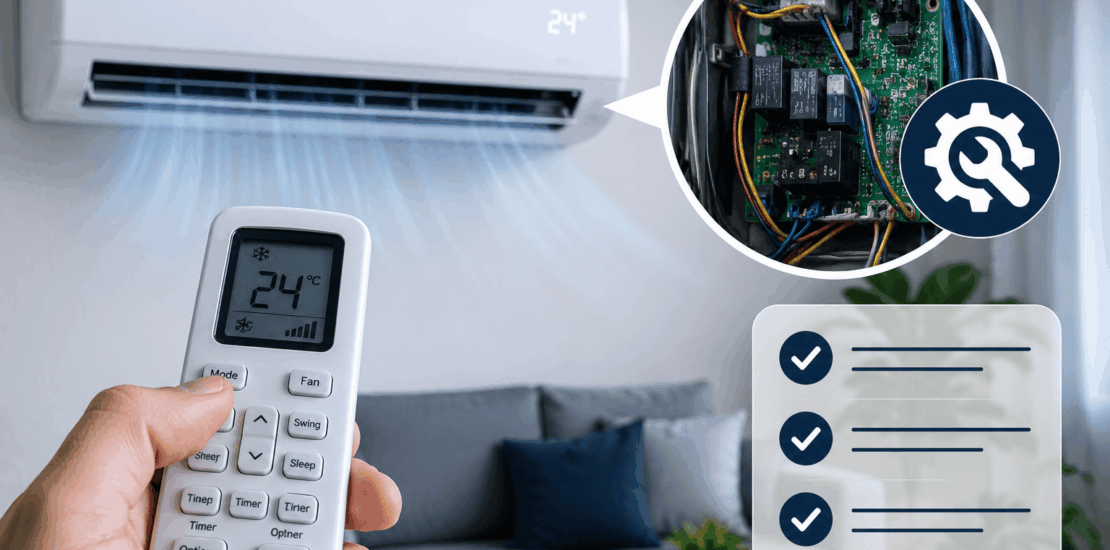
Ac keeps running after temp is reached: Solutions & Tips
Air conditioner keeps running after reaching temperature
An air conditioner that keeps running after reaching the set temperature can be frustrating. It not only increases energy bills but also causes unnecessary wear and tear. Understanding why this happens is crucial for homeowners and renters alike.
Several factors can cause this issue, from thermostat malfunctions to cooling system problems. Identifying the root cause is the first step toward a solution.
This guide will explore common reasons behind continuous AC operation. We’ll also provide practical solutions to fix these issues.
By the end, you’ll know how to maintain your AC for optimal performance. Let’s dive into the details and keep your home comfortable.
How Long Should an AC Run After Reaching Temperature?
An air conditioner should ideally stop running once the set temperature is reached. Under normal conditions, an AC unit runs for about 15-20 minutes per cycle. If it runs longer, this might indicate a problem.
Each cycle should effectively cool your space and maintain the temperature. However, several factors can affect how long your AC runs. These include the outside temperature and the size of your AC unit.
Here are considerations for typical AC runtime:
- Size of your home
- Efficiency of the AC unit
- Current weather conditions
If your AC runs continuously, it could suggest issues like thermostat malfunctions or poor insulation. Examining these factors can prevent potential damage and increase efficiency.
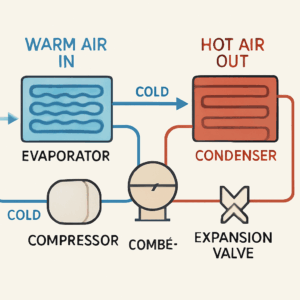
Common Reasons Your Air Conditioner Keeps Running After Reaching Temperature
If your air conditioner keeps running after it should have stopped, several common problems might be at play. Identifying the root cause can help you address the issue efficiently.
A malfunctioning thermostat can cause your AC to misread the room temperature. When this happens, your system might keep working to reach a temperature that’s already achieved. Checking and recalibrating the thermostat can often fix this issue.
Dirty air filters severely restrict airflow, forcing the system to work harder. This can lead to your AC running continuously while struggling to maintain the desired temperature. Regular cleaning or replacing of filters prevents such issues.
Refrigerant leaks are another common cause. When refrigerant levels drop, your system becomes inefficient. As a result, the AC has to run longer to achieve the set temperature.
To summarize, key reasons include:
- Malfunctioning thermostats
- Dirty air filters
- Refrigerant leaks
By addressing these concerns, you can improve your AC’s performance.
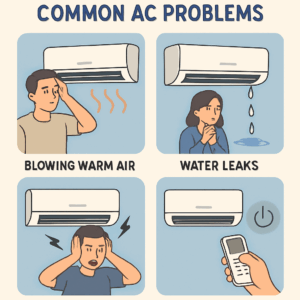
Also Read: Air conditioner struggling to cool house
Thermostat Malfunction: A Key Culprit
A faulty thermostat is often the hidden issue behind an AC running non-stop. Thermostats measure room temperature and communicate with the AC. When they malfunction, inaccuracies can occur in temperature readings.
Common signs of thermostat issues include frequent on and off cycles or no reaction when temperature settings change. Such problems can lead the air conditioner to overwork unnecessarily. Ensuring the thermostat is in good working order can mitigate unnecessary wear.
To troubleshoot, consider the following steps:
- Check the thermostat’s power source and connections.
- Recalibrate the device if readings seem off.
- Replace old thermostats with advanced, accurate models.
Addressing these steps ensures efficient temperature regulation and a smoothly operating cooling system.
Also Read: How to reset ac thermostat?
Cooling System Problems That Cause Continuous Running
Several factors within your cooling system can cause your air conditioner to keep running. One major culprit is dirty air filters. These filters, when clogged, restrict airflow, causing the system to work harder.
Refrigerant leaks are another common issue. They decrease the system’s cooling efficiency. This forces the unit to run longer to maintain the desired temperature. Such leaks not only affect performance but also pose environmental risks.
Here are cooling system issues to watch out for:
- Dirty air filters reducing airflow.
- Refrigerant leaks that lower efficiency.
- Blocked or dirty condenser coils.
Regular maintenance checks can help identify these problems early. By addressing them in time, you can prevent prolonged system operation and potentially costly repairs.
Also Read: What should set my thermostat to in winter?
The Impact of Poor Insulation and Air Leaks
Poor insulation can contribute to your air conditioner running longer than necessary. Insufficient insulation allows heat to enter your home, causing the system to work overtime. This not only strains the AC but also increases your energy bills.
Air leaks around doors and windows are also problematic. They let warm air in and cool air out, disturbing the temperature balance in your home.
Consider these ways to minimize insulation and air leak issues:
- Seal gaps around windows and doors.
- Upgrade insulation in walls and attics.
- Install energy-efficient windows.
Improving insulation and sealing leaks can reduce the strain on your air conditioner and enhance efficiency.
Also Read: How to reduce air conditioning costs?
How to Troubleshoot and Fix the Issue
When your air conditioner keeps running after reaching the desired temperature, start by checking the thermostat settings. Ensure it is set correctly and not in “fan” mode, which could make the fan run continuously. Recalibrate or reset the thermostat if needed.
Next, inspect the air filter. A dirty filter restricts airflow, causing the system to work harder. Cleaning or replacing air filters can often resolve the issue quickly. Aim to check filters monthly and replace them every three months.
Examine the outdoor unit for debris. Clear away leaves or dirt to allow proper airflow, preventing overheating and continuous operation. This simple check could restore normal cycling.
If these steps don’t resolve the problem, consider these actions:
- Evaluate the thermostat’s accuracy.
- Inspect ductwork for leaks.
- Check refrigerant levels.
If these tips fail, the problem might be more complex. Refrigerant leaks or serious malfunctions might require the expertise of an HVAC professional to diagnose and fix effectively.
When to Call an HVAC Professional
Sometimes, even the best troubleshooting efforts fall short. If your air conditioner keeps running after reaching temperature despite your attempts to fix it, professional help is the next step.
Complex issues like refrigerant leaks or major component failures require specialized tools and skills. Calling in an HVAC expert ensures a proper diagnosis and resolution. Professionals can quickly identify underlying problems and restore your AC to efficient operation.
Preventive Maintenance Tips for Your AC
Regular maintenance is key to preventing your air conditioner from running too long. Keeping your system in top condition can save energy and reduce the need for costly repairs.
Here are a few tips to help maintain your AC:
- Clean or replace air filters every 1-3 months.
- Keep vents clear of obstructions for proper airflow.
- Schedule professional maintenance checks annually.
- Inspect and clean the outdoor unit to prevent debris buildup.
By following these maintenance steps, your AC can operate efficiently and provide consistent comfort. Taking proactive measures ensures long-term performance and energy savings.
Conclusion
When your air conditioner keeps running after reaching temperature, it can signal underlying issues. Identifying the cause is crucial to maintain efficiency and comfort in your home.
Taking swift action ensures your system runs smoothly. Whether it’s addressing thermostat issues or insulation problems, a well-maintained AC keeps energy bills low and performance high.