
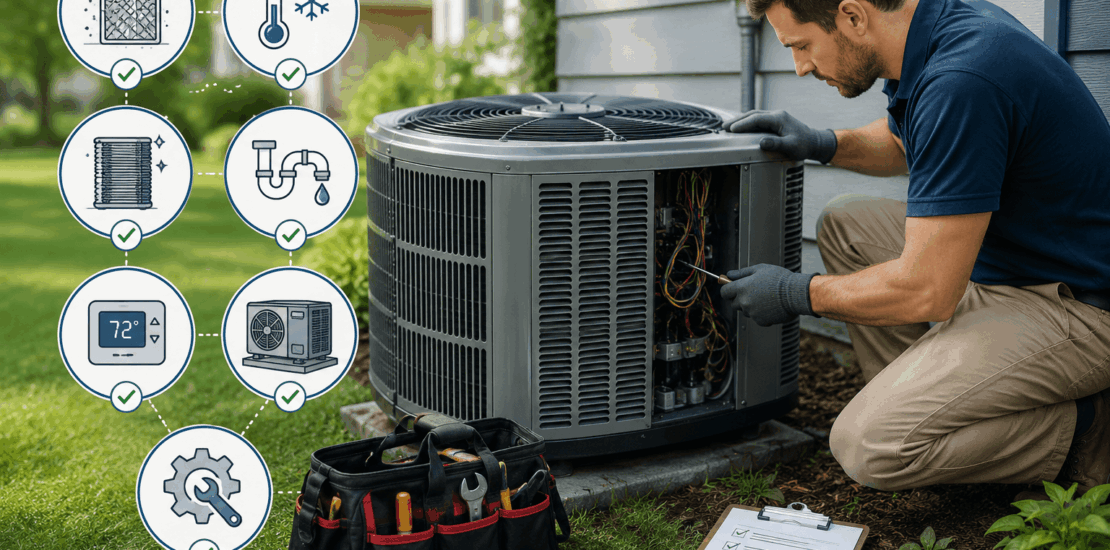
Essential AC Repair Tips for Homeowners
Essential AC Repair Tips for Homeowners
Air conditioning is essential for comfort in many homes. When it malfunctions, it can be frustrating and uncomfortable.
Understanding basic AC repair tips can save you time and money. It can also help you avoid unnecessary stress.
This guide provides essential air conditioning repair tips for homeowners. It covers common issues and maintenance advice.
Regular maintenance can prevent many AC problems. Simple tasks like cleaning filters can improve efficiency.
Knowing when to call a professional is also crucial. Some issues require expert attention to ensure safety and effectiveness.
We will explore troubleshooting tips for common AC problems. These include issues like insufficient cooling and strange noises.
Energy efficiency is another important topic. Upgrades can reduce energy costs and improve performance.
By following these tips, you can keep your AC running smoothly. Enjoy a comfortable home environment all year round.
Understanding Your Air Conditioning System
Getting to know your air conditioning system is the first step in maintenance. Different types of systems have unique components and functions.
Central air conditioners, ductless mini-splits, and window units are common types. Understanding their parts can aid in effective troubleshooting.
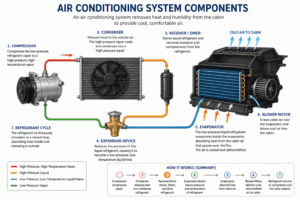
Every AC unit includes vital components like the compressor, condenser, and evaporator. These parts work together to cool your home efficiently.
Here’s a brief look at the key components:
- Compressor: Circulates refrigerant through the system.
- Condenser Coils: Releases heat absorbed from your home.
- Evaporator Coils: Absorb heat from indoor air.
- Blower Motor: Circulates cooled air into your home.
Become familiar with your system’s manual. It provides specific maintenance requirements and troubleshooting steps. Reading this guide can help you understand your system’s unique needs.
Proper knowledge of your AC system can save time during repairs. It can also enhance communication with professionals, ensuring the correct issues are addressed. When you know your system well, you can catch problems early, preventing costly repairs or replacements.
Also Read: How to check if ac compressor is bad?
Safety Precautions Before Starting Any AC Repair
Safety is paramount when handling air conditioning repairs. Before you begin any maintenance, take a moment to ensure a safe environment.
First, always turn off power to the AC unit. This step prevents electrical shocks, the leading cause of repair injuries.
Use insulated tools to handle any electrical components. Non-insulated tools can conduct electricity, posing a serious risk.
When dealing with refrigerants, wear protective gear like goggles and gloves. Refrigerants can cause skin irritation and eye injuries.
Here are some key safety tips to remember:
- Turn off power: Shut off electricity at the circuit breaker.
- Wear protective gear: Gloves, goggles, and masks.
- Use insulated tools: Prevent electric shocks.
- Work in a ventilated area: Avoid inhaling refrigerant fumes.
Finally, read the manufacturer’s manual for specific safety guidelines pertinent to your AC model. Different units may have unique safety protocols. Always prioritize safety to prevent injuries and damages during repairs.
Also Read: How to repair heating and air conditioning?
Common AC Problems and Troubleshooting Tips
Air conditioning issues can be frustrating for homeowners. However, many problems are common and manageable with some basic troubleshooting.
Regular maintenance often prevents major issues, but problems may still arise unexpectedly. It helps to have an understanding of typical malfunctions.
Many issues revolve around the AC unit not starting, inadequate cooling, or emitting strange noises. Additionally, moisture concerns and unpleasant odors can indicate specific problems.
Here’s a checklist for common AC problems:
- No power: Check the circuit breaker.
- Inefficient cooling: Examine thermostat settings and air filters.
- Strange noises: Listen for unusual sounds.
- Moisture: Inspect drains and seals.
- Bad odors: Look at filters and coils.
For non-technical homeowners, recognizing these issues early can prevent costly repairs. Keeping a troubleshooting guide handy can also be helpful.
Also Read: Why do my lights flicker when the ac comes on?
AC Not Turning On
Nothing is more distressing than an unresponsive AC in summer. This issue may have simple solutions.
First, check that the power supply is active. The circuit breaker might need a reset if it has tripped.
A malfunctioning thermostat can also prevent the AC from starting. Ensure it’s set correctly and batteries are functional.
Here are steps to troubleshoot:
- Check power supply: Verify the circuit breaker is on.
- Inspect thermostat: Ensure correct settings and replace batteries.
- Examine the fuse: Replace any blown fuses.
- Look at the wiring: Check for visible damage.
If the problem persists, professional help may be needed to inspect more complex elements.
Also Read: How to prevent ac from freezing?
Insufficient Cooling or Uneven Temperatures
An AC that doesn’t cool properly can be due to several factors. Poor airflow is often a culprit, frequently caused by clogged filters.
Filter inspection is straightforward and should be part of routine maintenance. Clear filters ensure maximum airflow.
Thermostat settings might also hinder cooling performance. Make sure they are configured correctly and the fan is on the correct setting.
To improve cooling:
- Change air filters: Replace blocked filters regularly.
- Correct thermostat settings: Set to ‘Auto’ for better efficiency.
- Examine vent obstructions: Ensure vents are open and unobstructed.
- Inspect refrigerant levels: Call professionals if levels seem inadequate.
Addressing these issues can restore a comfortable climate in your home.
Also Read: Ac struggling to cool house
Strange Noises and What They Mean
Strange noises emanating from your AC can signal various mechanical problems. Each sound typically points to a different issue.
A buzzing sound usually indicates electrical problems or loose parts. Tightening screws or checking for faulty components might help.
Rattling noises could mean debris stuck in the blower assembly. Inspecting the unit for foreign objects may solve the problem.
Listen for:
- Buzzing: Check electrical connections.
- Rattling: Inspect for loose debris or screws.
- Clicking: Could indicate a relay issue.
Regular listening for odd sounds can help identify issues early before they evolve into significant repairs.
Water Leaks and Moisture Issues
Moisture around your AC is not only annoying but could indicate significant problems. Clogged condensate drains often result in leaks.
Drain cleaning is crucial to maintain proper function. Algae or debris can block these lines.
Excessive moisture may also stem from refrigerant leaks. Such leaks need professional handling due to their environmental impact.
Steps to address moisture issues:
- Clear drain lines: Use a mix of vinegar and water.
- Check refrigerant levels: Monitor for low levels and hire a professional.
- Inspect seals: Ensure all seals are tight to prevent leaks.
- Look for clogs: Use a wet vacuum to remove debris.
Regular checks and cleaning can avert potential water damage from leaks.
Also Read: Why is water dripping from my ac vent?
Bad Odors from the AC Unit
Strange odors from your AC aren’t just unpleasant—they could point to underlying problems. Mold growth is the most common cause of musty smells.

by Birmingham Airduct Cleaning Services (https://unsplash.com/@hadleycummings)
Regular cleaning and replacing of air filters can help. Dirty filters often cause odor issues and reduce air quality.
Another cause of odors may be electrical issues, which can be dangerous if left unchecked.
To address bad odors:
- Replace air filters: Prevent mold and maintain fresh airflow.
- Clean coils: Dirty coils can emit musty odors.
- Check for electrical burning: Unusual chemical smells warrant immediate professional inspection.
- Inspect for mold: Look inside ducts and around the unit for signs of mold.
Keeping air filters clean and performing regular maintenance can prevent unpleasant odors from taking over your home.
Also Read: Why is smoke coming out of my ac?
Essential AC Maintenance Tips for Homeowners
Proper maintenance significantly extends the life of your air conditioning system. Simple tasks performed regularly can lead to consistent performance.
Homeowners should focus on routine checks and cleaning. This reduces the likelihood of encountering major issues.
An essential part of this process involves replacing or cleaning air filters. Dirty filters restrict airflow and reduce system efficiency.
For effective cooling, inspect the coils and fins as well. Keeping these components clean enhances the transfer of heat.
Here is a basic maintenance checklist:
- Air filters: Check monthly and clean or replace as needed.
- Coils and fins: Schedule annual cleaning.
- Condensate drain line: Ensure it’s clear to avoid clogs.
- Outdoor unit: Remove debris and maintain clearance.
- Ductwork: Inspect for leaks or blockages.
By creating a regular maintenance routine, homeowners can achieve optimal energy efficiency.
Preventative measures save on costly repairs and preserve a comfortable home environment.
Also Read: Why does my ac smell like vinegar?
Cleaning or Replacing Air Filters
Air filters play a crucial role in air quality and efficiency. Over time, filters collect dust, pollen, and other particles, which can block airflow.
Clean air filters monthly, and replace them every three months, or sooner if visibly dirty. Choose high-efficiency filters for the best performance.
Steps to maintain air filters:
- Remove old filter: Follow the manual instructions.
- Inspect filter: Check for excessive dirt or damage.
- Install new filter: Ensure correct fit and placement.
- Use quality filters: Opt for pleated filters.
Regular maintenance of filters enhances the AC system’s performance and air quality.
Cleaning Coils and Fins
The coils and fins are vital for the AC’s efficiency. Coils transfer heat, while fins assist in airflow.
They gather dirt over time, reducing performance. Regular cleaning is necessary, preferably once a year, to prevent dust buildup and ensure smooth operation.
Steps to clean coils and fins:
- Turn off power: Safety is paramount.
- Use fin comb: Straighten any bent fins.
- Apply cleaning solution: Use gentle soap or commercial cleaners.
- Rinse thoroughly: Avoid using a pressure washer.
Properly maintained coils and fins improve cooling efficiency and energy consumption.
Checking and Clearing the Condensate Drain Line
The condensate drain line is essential in removing moisture from your AC system. Blockages can cause water leaks and even mold growth.

by Alexey Demidov (https://unsplash.com/@alexeydemidov)
Inspect the drain line every six months. Use a mix of vinegar and water to clean any clogs.
Steps to maintain the condensate drain line:
- Locate drain line: Usually near the indoor unit.
- Flush line: Vinegar can break down small clogs.
- Check for leaks: Ensure joints are sealed tight.
- Use wet vacuum: For more stubborn blockages.
Keeping the drain line clear prevents moisture-related issues and enhances efficiency.
Inspecting and Maintaining the Outdoor Unit
The outdoor unit is exposed to elements and must be kept clear of debris. Leaves, grass, and dirt can obstruct airflow.
Check the unit monthly, especially during fall and spring. Maintain at least two feet of clearance around it.
Steps to maintain the outdoor unit:
- Remove debris: Clear leaves, twigs, and dirt.
- Check clearance: Trim plants and shrubs for airflow.
- Inspect fins: Ensure they’re not bent.
- Use a garden hose: Spray gently from top to bottom.
Regular outdoor unit maintenance is essential for peak system performance.
Ductwork Inspection and Sealing
Ductwork plays a pivotal role in circulating air throughout your home. Leaks or blockages can lead to uneven cooling and increased energy use.
Inspect ductwork annually, or if you notice uneven temperatures. Seal any leaks with mastic or metal tape for best results.
Steps for ductwork maintenance:
- Inspect for damage: Look for visible cracks.
- Seal leaks: Use appropriate sealant for long-lasting fixes.
- Check insulation: Proper insulation improves efficiency.
- Clean ducts: Use a vacuum for dust.
Well-maintained ductwork ensures consistent air distribution and lowers energy bills.
AC Troubleshooting Tips for Quick Fixes
Troubleshooting common air conditioning problems can prevent small issues from becoming major repairs. Understanding key troubleshooting steps can save homeowners time and money.
Start with basic checks when your air conditioner doesn’t function properly. Often, minor issues like power supply or setting adjustments can cause problems.

by Nihal Thakur (https://unsplash.com/@nihalkool)
Before calling a professional, consider these quick fixes. They can easily resolve many common AC issues.
Basic Troubleshooting Steps
- Power Check: Ensure the unit is plugged in and the circuit breaker hasn’t tripped.
- Thermostat Settings: Confirm the thermostat is on the correct setting and temperature.
- Filter Condition: Check if the filter needs cleaning or replacement.
These checks address many common and straightforward issues. They help in diagnosing the general state of the unit.
Advanced Troubleshooting Tips
If basic steps don’t resolve your issue, consider more advanced troubleshooting. These tips involve inspecting other components:
- Airflow: Confirm vents aren’t blocked and the blower is working.
- Inspect Coils: Look for dirt buildup which can affect efficiency.
- Listen for Noises: Identify unusual sounds that might indicate mechanical problems.
When advanced troubleshooting isn’t enough, it might be time to seek professional help. However, many issues are resolved through these simple steps, ensuring your AC stays in prime condition.
Knowing these troubleshooting tips empowers homeowners to act quickly. It minimizes the risk of unnecessary downtime and ensures comfort during warm weather.
When to Call a Professional: Recognizing Complex Issues
While basic troubleshooting can address many AC problems, some issues need a professional’s touch. Understanding when to call in the experts prevents further damage to your system.
Complex issues often involve electrical components, refrigerants, or internal mechanics. These areas require specialized skills and equipment to manage safely and correctly.

by Christer Lässman (https://unsplash.com/@lassman)
Ignoring signs of major problems can lead to costly repairs or even system replacement. Recognizing these signs early can save both time and money.
Signs You Need a Professional
- Frequent Cycling: The system turns on and off rapidly.
- Warm Air: Blowing warm air despite correct settings.
- Strange Smells: Persistent odors from the unit.
- Constant Tripping: Breaker trips repeatedly when the AC runs.
- Water Leaks: Leaks around the unit, not due to clogged drains.
When encountering these signs, contacting a professional ensures a thorough inspection and precise repairs. Relying on experts not only restores comfort but also protects your investment. Qualified technicians can quickly identify underlying issues, offering the best solutions for your system’s longevity and efficiency.
Energy Efficiency and Upgrades for Your AC System
Improving your AC system’s efficiency saves money and reduces your carbon footprint. Modern technology offers many ways to enhance energy usage.
Smart thermostats give you more control over cooling patterns. By learning your habits, they optimize temperature settings to reduce energy consumption.

by Jason Leung (https://unsplash.com/@ninjason)
Upgrading to energy-efficient models is a wise choice. Consider systems with high SEER ratings, which indicate superior energy performance.
Energy Efficiency Upgrades
- Programmable Thermostats: Adjust settings based on your schedule.
- Insulation: Improve home insulation to minimize heat gain.
- Variable-Speed Compressors: Use less energy by matching output to demand.
- Zoning Systems: Cool only occupied areas to save energy.
Simple actions such as regular maintenance also play a crucial role. Maintaining clean filters and coils ensures your system doesn’t have to work harder, conserving energy and reducing costs. Investing in energy-efficient upgrades results in long-term savings and contributes to a more sustainable home environment. By understanding and implementing these changes, homeowners can enhance their AC’s performance and prolong its lifespan, benefiting both the wallet and the planet.
Preventative Maintenance Schedule for Homeowners
A well-structured preventative maintenance schedule ensures your air conditioning system runs efficiently year-round. Regular checks and cleanings avert major issues before they become costly repairs.
Homeowners should follow a routine maintenance plan. This helps keep the system operating at peak performance, which can extend its lifespan and enhance comfort.
Sample Maintenance Checklist
- Monthly: Check air filters and change if dirty.
- Quarterly: Inspect refrigerant lines for leaks.
- Biannually: Clean evaporator and condenser coils.
- Annually: Schedule professional inspection and servicing.
Sticking to this maintenance checklist ensures that minor issues are resolved quickly, preventing them from escalating. When you incorporate regular inspections, you save money over time by avoiding breakdowns and ensuring your system is energy-efficient. A scheduled approach to maintaining your AC also provides peace of mind, knowing your home’s climate comfort is reliably managed.
Frequently Asked Questions About AC Repair
Homeowners often have questions about maintaining and repairing their air conditioning systems. Here, we address some common concerns and clarify key points.
One popular question is about the frequency of changing air filters. Generally, filters should be checked monthly and replaced every 1-3 months, depending on usage.
Many homeowners wonder how to tell if their AC needs professional service. Signs include inconsistent temperatures, strange noises, or excessive moisture around the unit.
Common FAQs
- How often should I service my AC?
- It’s recommended to service your AC annually.
- What should I do if my AC leaks water?
- Check and clear the condensate line.
- Why is my AC making a loud noise?
- It could indicate a loose part or failing compressor.
Understanding these issues can help you tackle minor problems with confidence and know when to call in an expert. Regular maintenance and prompt attention to unusual behavior ensure your AC runs smoothly throughout its service life.
Conclusion: Keeping Your AC Running Smoothly
Ensuring your air conditioning unit operates efficiently requires regular attention to its various components. Small, consistent efforts can prevent major repairs and extend your system’s lifespan.
Addressing issues promptly and adhering to a preventive maintenance schedule are key. By taking these proactive steps, you’ll not only enhance the comfort of your home but also reduce energy costs. When in doubt, don’t hesitate to call a air conditioning repair professional. With the right knowledge and care, your AC can provide reliable service for many years.