Why is smoke coming out of my ac?
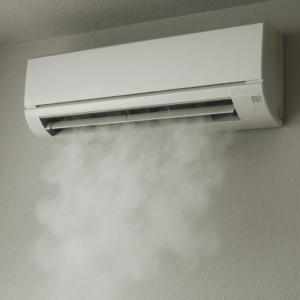
Smoke or mist coming out of your AC can be alarming. It raises concerns about safety and functionality.
But is it really smoke, or just harmless mist? Understanding the difference is crucial.
Various factors can cause this phenomenon. High humidity, clogged filters, or refrigerant leaks are common culprits.
Regular maintenance can prevent these issues. However, persistent problems may require help from air conditioning repair expert .
This guide will explore the reasons behind smoke or mist from your AC and offer solutions.
Is It Really Smoke or Just Mist?
Seeing something resembling smoke from your AC might look worrying. However, it’s often just mist, not actual smoke.
Distinguishing between the two is important for diagnosing the issue. Mist is usually harmless, while smoke may signal a problem.
To differentiate, consider these factors:
- Odor: Smoke often smells burnt, while mist is odorless.
- Color: Smoke can be darker, mist is typically white.
- Moisture: Mist may leave moisture on nearby surfaces.
These tips can help you determine whether you’re dealing with mist or smoke.
Common Causes of Smoke or Mist Coming Out of AC
Understanding why your AC emits smoke or mist can help you address the issue promptly. Several factors can cause these phenomena.
Here are common causes:
- High Humidity and Condensation: When cold air meets warm, moist air, mist can form.
- Clogged Air Filter: A clogged filter restricts airflow, causing potential misting.
- Refrigerant Leaks: Leaks can result in white smoke due to the evaporation of the refrigerant.
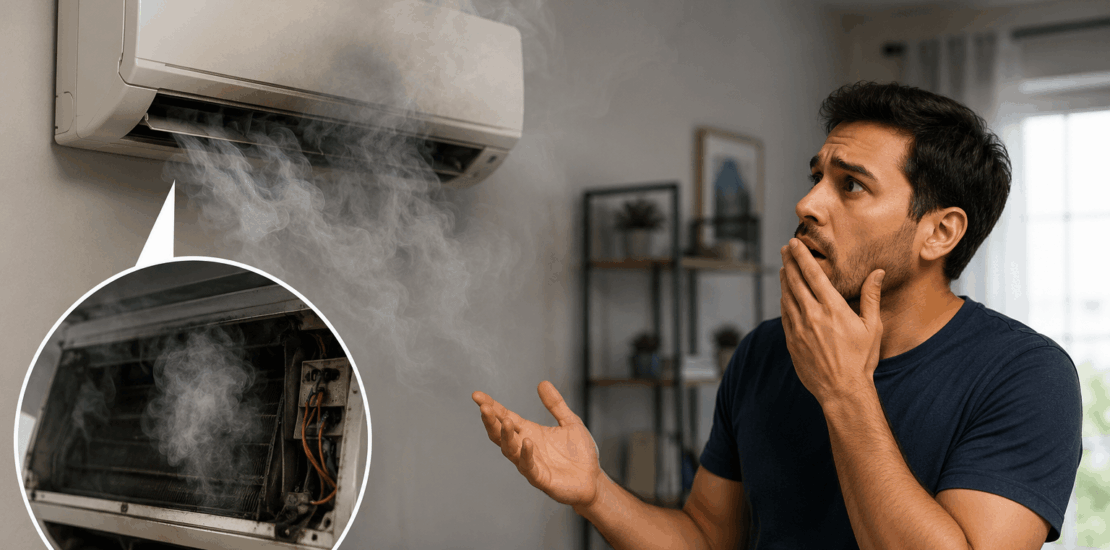
- Electrical Issues: Overheating parts can produce actual smoke, posing a serious risk.
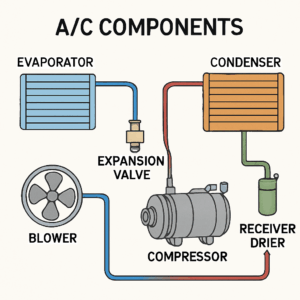
- Dirty Evaporator Coils: Dirt on coils can cause improper cooling and mist emission.
It’s essential to be aware of these causes to identify potential problems early.
Regular maintenance and inspection can often prevent or resolve these issues.
1.Clogged Condensate Drain Line
Another culprit behind mysterious “smoke” or mist wafting from your air conditioner can be a clogged condensate drain line. This drain line is responsible for channeling away the excess moisture produced as your AC cools the air.
When the drain line becomes blocked—an issue more common in older systems—water can back up inside the unit. As this trapped moisture accumulates around the cool evaporator coil, it may turn into a visible, foggy mist that escapes from the vents.
To avoid this problem, routine inspections and annual maintenance are vital. Clearing any debris or buildup from the drain line helps prevent clogs and keeps your system running smoothly.
2. Condensation Buildup in the Heater Box
Condensation inside the heater box can also create visible mist—sometimes mistaken for smoke—coming from your vents. If the heater box’s drain gets clogged, moisture has nowhere to go and may begin to collect, resulting in steam or fog being pushed out along with the airflow.
This situation often arises alongside high humidity or a neglected drainage system, and while it’s usually more startling than harmful, ignoring it for too long can eventually lead to water damage or even encourage mold growth inside your system. Regular inspection and clearing of the heater box drain are key to keeping your AC running smoothly and preventing unexpected clouds in your living room.
3. High Humidity and Condensation
High humidity can cause mist as warm air condenses on cold AC parts.
This is more common during hot, muggy days and typically harmless.
Your AC’s main job is to balance indoor air temperature by conditioning hot and cold air. If your AC isn’t keeping your home comfortable, there may be an imbalance of hot, humid air mixing with cool, dry air inside the unit. When this happens, condensation forms, sometimes appearing as a white fog or smoke coming from the vents.
This “smoke” is usually just harmless mist, the natural result of condensation where warm, moisture-laden air meets cold surfaces in your AC system—especially during periods of high humidity. So, if you see a white, odorless vapor on a sticky summer day, chances are it’s simply mist, not smoke, and nothing to worry about.
4. Clogged Air Filter
A clogged air filter restricts proper airflow, which can cause misting.
Regularly changing filters helps prevent this issue and ensures efficient cooling.
But a backed-up or dirty air filter can do more than just make your AC blow mist. When airflow is restricted for too long, your unit may start to overheat, and in rare cases, you might notice white smoke with a foul odor—an indicator of a more serious problem. Overheating not only affects your AC’s performance but can also put your home’s safety at risk.
Other issues like clogged vents or even faulty wiring can add to the strain, making it tough to pinpoint the exact cause without a closer look. If your AC seems to be working overtime or you smell something burnt, it’s wise to turn off the unit and consult a professional. They can help you identify whether a simple filter change will do the trick or if deeper repairs are needed.
Staying on top of filter changes is one of the easiest and most effective ways to keep your AC running smoothly—and to avoid bigger headaches down the road.
5. Refrigerant Leaks
Refrigerant leaks can lead to white smoke when the gas interacts with the air.
This leak is a sign of a malfunction and needs professional repair.
6. Electrical Issues or Overheating Components
If smoke smells burnt, it might stem from electrical faults.
Overheating inside the unit can also produce smoke and should be checked immediately. White smoke with a foul smell raises more serious red flags than simple condensation. Overheating can damage your HVAC system and even threaten your home’s safety. Typical causes of overheating include electrical issues, faulty wiring, a backed-up air filter, or clogged vents.
If you’re unsure which component is overheating, it’s best to call a professional. They can accurately diagnose the problem and determine whether repairs or replacements are needed. But if you’re confident the source is a faulty electrical system, shut off your AC immediately and leave it off until a technician can inspect it.
7. Burning-Out Fan Motor
A fan motor nearing the end of its life can be another culprit behind smoke or an unusual smell coming from your AC.
When the motor’s internal components overheat, the insulation on the wires may begin to burn. This process can release visible smoke and a distinct, burnt odor, indicating potential danger. Like electrical issues, this situation is serious—running the unit further could pose a fire risk.
If you notice this burning smell or see smoke linked to the fan motor, turn off your AC immediately and contact a professional technician. Early intervention can help prevent further damage and keep your system safe.
8. Dirty Evaporator Coils or Blower Motor Problems
Dirty coils or motor issues can interrupt normal functioning.
Both may result in mist or even smoke, highlighting the need for regular maintenance. All components in your air conditioning system can degrade over time, but a malfunctioning fan or blower motor is especially critical. If you notice foul-smelling smoke coming from these parts, turn off your air conditioner right away—this smoke could be toxic and may indicate a fire hazard. As with electrical issues, it’s safest to leave the diagnosis and repair to professionals.
Does the Age of Your AC Matter?
Absolutely. As your air conditioner gets older, its internal parts are more likely to wear out, making issues like smoke or mist more common. Most residential AC units last about 10 to 20 years, sometimes stretching a bit further with vigilant maintenance.
With age, components such as electrical wiring, coils, and seals can become less reliable. Worn-out parts are more prone to malfunction, increasing the risk of electrical issues, refrigerant leaks, and even smoke production. If your AC has served you faithfully for a decade or more, it’s a good idea to keep a closer eye (and ear) out for unusual sights, sounds, or smells.
A proactive approach—like scheduling routine tune-ups—can help catch problems early, reducing the chance you’ll see smoke pouring from your vents. If your older unit repeatedly shows signs of trouble, it might be time to consider an upgrade for peace of mind and efficiency.
How to Tell If It’s Harmless Mist or Dangerous Smoke
Distinguishing between harmless mist and dangerous smoke is crucial for safety. Harmless mist usually appears thin and dissipates quickly.
It often occurs without any unusual odors or lingering effects. Dangerous smoke, however, is thicker, may smell burnt, and can linger.
Here are a few pointers to help you identify the type:
- Appearance: Mist is light; smoke is thick.
- Odor: Mist lacks smell; smoke often smells burnt.
- Duration: Mist fades fast; smoke persists longer.
If you suspect smoke, check for burnt smells and call a professional promptly.
What to Do If You See Smoke or Mist Coming Out of Your AC
Seeing smoke or mist from your AC can be alarming. First, try not to panic.
Quickly assess the situation by examining any unusual smells or sounds. If it’s smoke with a burning odor, turn off the AC immediately.
Next, ensure proper ventilation by opening windows and doors. This helps mitigate any potential indoor air quality issues.
Here’s a list of immediate actions to take:
- Turn off the AC system.
- Ventilate the area.
- Check for burning smells.
- Inspect filters and components if possible.
- Contact a professional if needed.
If uncertain about the cause, err on the side of caution. Calling a professional HVAC technician can ensure your safety and fix the problem efficiently.

by Pascal Meier (https://unsplash.com/@zhpix)
Preventing Smoke or Mist from Your AC: Maintenance Tips
Regular maintenance can prevent smoke or mist issues in your AC. Simple, routine checks can make a significant difference.
Start by ensuring your AC filters are clean and unclogged. Dirty filters restrict airflow and can cause misty air.
Check and clean evaporator coils to maintain efficiency. Dust and debris can accumulate, impacting performance.
Include these preventive steps in your routine:
- Replace air filters regularly.
- Clean evaporator coils annually.
- Inspect refrigerant levels.
- Check electrical components and connections.
- Schedule annual professional service.
Preventive maintenance is key for a safe, efficient AC system. Enjoy better air quality and a longer lifespan for your AC unit.

by Singapore Stock Photos (https://unsplash.com/@singaporestockphoto)
When to Call a Professional HVAC Technician
Some issues require professional help to ensure safety and proper diagnosis. If mist or smoke persists after maintenance, it’s time to call a technician.
A burning smell or unusual noise signifies potential danger. Don’t delay in seeking expert advice.
Professional technicians can identify and rectify hidden problems. This ensures your AC operates safely and efficiently, giving you peace of mind.
Frequently Asked Questions
What should I do if I see mist coming from my AC?
First, check your air filter and clean or replace it if needed. This improves airflow and reduces mist formation.
Is white smoke from AC vents dangerous?
White smoke may indicate condensation or potential electrical issues. Always assess for unusual smells or smoke.
What happens if my AC blows smoke?
If your AC blows smoke, turn it off and inspect for possible issues like overheating components or refrigerant leaks.
How does high humidity cause mist in my AC?
High humidity can cause condensation as cold AC air meets warm, moist air, resulting in visible mist.
When is it necessary to call a professional?
If basic maintenance doesn’t resolve the issue or you detect a burning smell, it’s critical to contact a technician.
What regular maintenance can prevent AC smoke or mist?
Routine cleaning of filters and coils, checking for leaks, and ensuring proper drainage can prevent these issues.