AC Struggling to Cool House? Top Fixes & Tips
Tips to Fix Your AC Cooling Issues
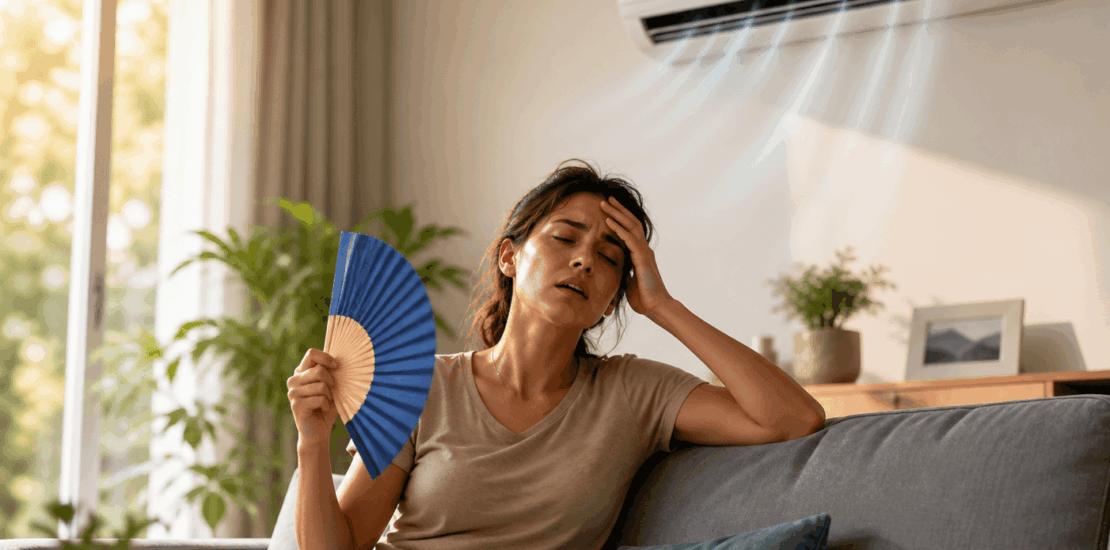
Is your AC struggling to cool your house? You’re not alone. Many homeowners face this issue, especially on hot days.
An air conditioner that can’t keep up can be frustrating. It can also lead to higher energy bills.
Understanding why your AC is not cooling effectively is the first step. There are several common reasons for this problem.
From dirty filters to refrigerant leaks, various factors can affect your AC’s performance. Regular maintenance and simple checks can often resolve these issues.
In this guide, we’ll explore practical tips to fix your AC cooling issues. You’ll learn how to troubleshoot and maintain your system for optimal performance.
Common Reasons Your AC Is Struggling to Cool the House
Air conditioners often struggle due to simple, fixable issues. One common reason is a dirty air filter. Clogged filters restrict airflow, reducing cooling efficiency.
Low refrigerant levels can significantly impact cooling performance. Leaks or low refrigerant prevent the system from absorbing heat effectively.
A malfunctioning thermostat is another common culprit. If it isn’t set correctly, or is faulty, it can lead to inadequate cooling.
Obstructions around the outdoor unit can obstruct airflow. Debris or nearby plants can hinder the system’s ability to dissipate heat.
Insulation issues in your home can lead to cooling inefficiencies. Poor insulation allows cool air to escape, making your AC work harder.
Additionally, leaky ductwork can cause air loss. This affects the efficiency and overall performance of your cooling system.
Finally, consider the age of your AC unit. Older systems may not cool as effectively as newer, energy-efficient models.
Common Reasons for AC Cooling Struggles:
- Dirty air filters
- Low refrigerant levels
- Malfunctioning thermostat
- Obstructed outdoor unit
- Poor insulation
- Leaky ductwork
- Old or outdated AC unit

Understanding these common reasons can help diagnose the problem. Often, simple solutions like cleaning or checking settings make a significant difference. Identifying these factors will guide you in addressing your AC issues effectively.
Quick Troubleshooting Steps for Immediate Relief
If your AC is struggling, some quick checks might bring relief. Start by checking the thermostat settings. Ensure it’s set to “cool” and the temperature is lower than the room’s current temperature.
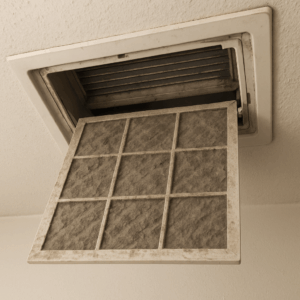
Next, inspect the air filters. Dirty filters can hinder performance. If they appear clogged, clean or replace them to restore airflow.
Also, check if the outdoor unit is clear of obstructions. Remove debris or plant growth around it to ensure proper airflow. This simple step can enhance cooling efficiency.
Look over the vents and registers in your home. Make sure they aren’t blocked by furniture or closed off. This simple action can help redistribute cool air more effectively.
In some cases, high humidity can be a factor. Running a dehumidifier alongside your AC may assist in improving indoor comfort and cooling efficiency.
Don’t overlook these immediate solutions. They can offer quick, temporary relief and improve your AC’s performance until a professional service is feasible.
Quick Troubleshooting Steps:
- Verify thermostat settings
- Clean or replace air filters
- Clear debris around outdoor unit
- Unblock vents and registers
- Use a dehumidifier for better comfort

These straightforward steps can alleviate some cooling issues. However, persistent problems might require a more in-depth approach or professional assessment. Always consider regular maintenance to prevent recurring issues.
Essential Maintenance Tips to Prevent Cooling Problems
Regular maintenance of your AC unit can prevent many issues. Start by scheduling professional inspections at least once a year. This helps identify potential problems early.
Cleanliness is vital for efficient operation. Routinely clean or replace air filters every 1-3 months. Dirty filters can restrict airflow and strain the system.
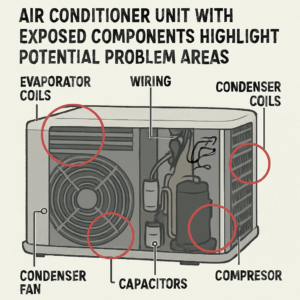
Don’t forget about the coils. Evaporator and condenser coils accumulate dirt over time. Clean them annually to maintain efficient heat exchange.
Inspect the outdoor unit regularly. Remove any leaves, debris, or obstructions to ensure proper airflow. Maintain a clear space of at least two feet around the unit.
Sealing ductwork is crucial for efficient cooling. Leaky ducts can lead to loss of conditioned air, reducing cooling efficiency. Inspect and seal any leaks you find.
Lastly, check the thermostat settings and function. A correctly calibrated and functioning thermostat ensures your system operates optimally. Verify its accuracy or consider an upgrade to a programmable model.
Essential Maintenance Tips:
- Schedule annual professional inspections
- Clean or replace air filters regularly
- Clean evaporator and condenser coils annually
- Keep outdoor unit clear of obstructions
- Inspect and seal ductwork leaks
- Check thermostat calibration and settings

by Jon Tyson (https://unsplash.com/@jontyson)
By incorporating these maintenance tips into your routine, you can enjoy a more reliable and efficient cooling system. A well-maintained AC not only performs better but also lasts longer, saving you money and discomfort in the long run.
How to Improve Airflow and Efficiency
Improving airflow and efficiency in your AC system is crucial. Begin by inspecting vents and registers throughout your home. Make sure they’re open and not obstructed by furniture or curtains.
Consider the role of ceiling fans. They help distribute cool air evenly and reduce reliance on the AC. Use them wisely to enhance room comfort.
Verify that windows and doors are sealed tight. Gaps can allow cool air to escape, making your AC work harder. Weather stripping can be an effective solution.
Ensure that your AC unit is the right size. Units too large can cycle on and off too quickly, while small units may not cool sufficiently. Proper sizing is key to efficiency.
Keep your AC unit’s surroundings clear. Remove plants and debris to enhance airflow. This simple step can have a significant impact on your system’s performance.
Adding attic insulation or improving existing insulation can drastically improve efficiency. Proper insulation helps maintain desired temperatures with less strain on your AC system.
Tips for Better Airflow and Efficiency:
- Inspect and clear obstructions from vents
- Use ceiling fans to aid air circulation
- Seal gaps around windows and doors
- Ensure proper AC unit sizing
- Maintain clear surroundings around the unit
- Enhance insulation in attics
By implementing these strategies, you increase your AC system’s efficiency. This leads to better cooling and potentially lower energy bills. Simple adjustments can make a significant difference in your home’s comfort level.
When to Call a Professional HVAC Technician
Sometimes, simple fixes aren’t enough to solve your AC issues. Recognizing when it’s time to call a professional HVAC technician is crucial. Attempting complex repairs without expertise can lead to more problems.
One sign it’s time for professional help is if your AC system cycles frequently. This could indicate electrical or mechanical issues that require specialized knowledge to fix. Technicians can diagnose and address these complex problems efficiently.
Strange noises or odors from your AC unit also warrant immediate attention. These could be signs of deeper issues, such as motor or wiring problems, that a technician can safely evaluate and repair.
If your energy bills suddenly increase without explanation, it may signal inefficiencies in your system. Technicians have the tools to identify and solve hidden inefficiencies. Ignoring this could lead to further increases in costs.
Also, recurring issues indicate a need for professional assessment. Recurring cooling problems may signal deeper issues needing comprehensive evaluation.
Call a Professional When:
- Frequent system cycling occurs
- Unusual noises or smells persist
- Energy bills unexpectedly rise
- Issues repeatedly occur
Professional technicians offer insights and solutions that extend the lifespan and efficiency of your AC unit. Don’t hesitate to seek their expertise when needed.
Upgrades and Long-Term Solutions for Better Cooling
Upgrading your AC system can greatly enhance its performance and efficiency. If your unit is more than ten years old, consider upgrading to a newer model. Newer models often feature improved technology, resulting in better cooling and energy efficiency.
One long-term solution is investing in a variable-speed AC unit. These systems adjust their speed based on your cooling needs, which saves energy and provides consistent temperatures. This can be particularly beneficial in homes with varying cooling demands.
Another effective upgrade is the installation of a smart thermostat. Smart thermostats allow you to control your home’s temperature remotely and learn your temperature preferences, optimizing energy use. They can significantly contribute to cooling efficiency.
Sealing leaks in ductwork is another key improvement for enhanced performance. This helps prevent cool air from escaping, ensuring that air is distributed effectively throughout your home. Properly sealed ducts can improve overall system efficiency.
Additionally, consider installing energy-efficient windows. These windows help to reduce heat gain, lessening the burden on your AC unit. They maintain cooler indoor temperatures, especially in sunny regions.
Consider the Following Upgrades:
- Variable-speed AC units
- Smart thermostats
- Sealing ductwork leaks
- Energy-efficient windows
Investing in these upgrades can lead to long-term savings on energy bills. Your home will stay cooler, more comfortable, and environmentally friendly.

by alpha innotec (https://unsplash.com/@alpha_innotec)
Frequently Asked Questions About AC Cooling Issues
Homeowners often have questions when their AC system struggles to cool their house. Understanding these issues can help you find the right solutions. Here are some common questions about AC cooling problems.
Why is my AC not cooling my house effectively? Several factors could cause your AC to struggle. Dirty filters, refrigerant leaks, or thermostat issues are common culprits. Regular maintenance can prevent these problems.
How can I improve my AC’s performance on hot days? Ensure your windows and doors are sealed to prevent cool air escape. Use window treatments to block out heat from the sun. Consider using ceiling fans to circulate cool air and reduce stress on your AC.
When should I consider calling a professional? If simple troubleshooting steps don’t work, or if you notice unusual noises or smells, it’s time to consult an HVAC technician. Professional help is necessary for complex issues like electrical faults or refrigerant leaks.
Common Queries Include:
- Causes of reduced cooling efficiency
- Tips for better cooling on hot days
- Indicators for needing professional support
Understanding these FAQs helps you tackle cooling issues more effectively. Knowledge of when to seek expert help can save you time and hassle.
Conclusion: Keep Your Home Cool and Comfortable
Maintaining a comfortable indoor climate is essential, especially during the hot summer months. Addressing AC struggles promptly can enhance your home’s cooling efficiency. Regular maintenance and awareness of potential issues are crucial in preventing your AC from failing.
Simple actions, like cleaning filters and checking for blockages, can greatly improve your unit’s performance. Keeping your AC in peak condition requires vigilance and some technical understanding. These efforts will save on repair costs and reduce stress during hot spells.
Remember, professional expertise is invaluable when complex issues arise. If your AC unit is outdated or inefficiencies persist, seeking professional advice is wise. A well-maintained AC not only maintains comfort but also contributes to energy savings.
Ultimately, keeping your home cool depends on proactive measures and timely interventions. Stay informed, remain proactive, and enjoy a comfortable living environment year-round.