
Stop Water Dripping from AC Vent: Causes & Fixes
Causes and Solutions for AC Vent Dripping
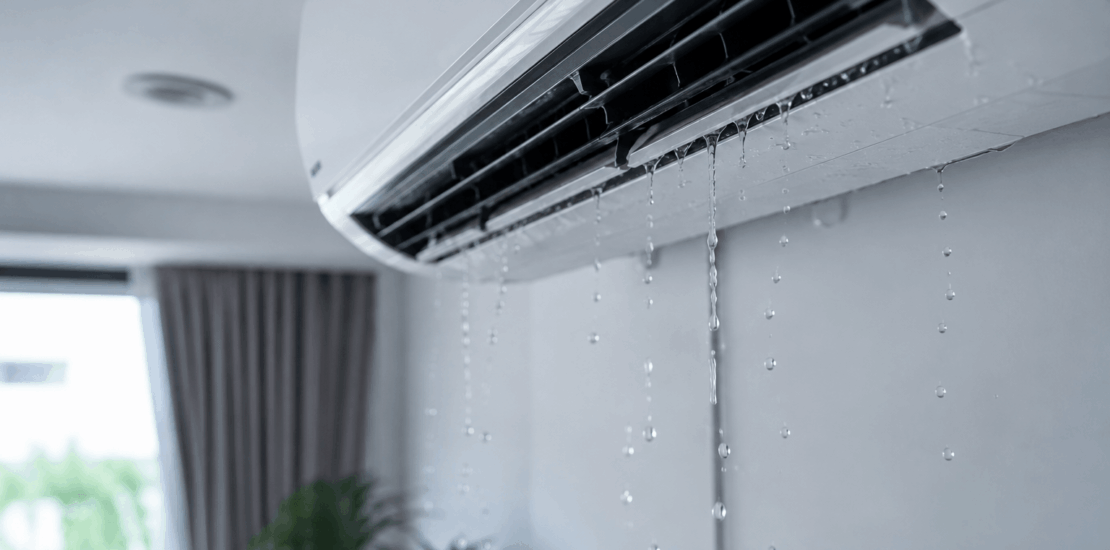
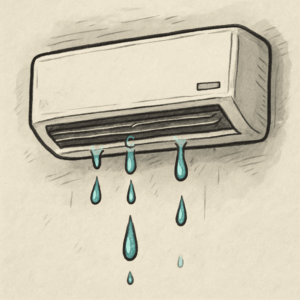
Water dripping from an AC vent can be a frustrating issue. It often signals a problem with your air conditioning system.
This common issue can lead to water damage if not addressed promptly.
Understanding the causes is the first step to finding a solution.
Clogged condensate drains and frozen evaporator coils are frequent culprits.
Improper installation or poor insulation can also cause condensation and leaks.
Regular maintenance can prevent many of these problems.
Ignoring the issue can lead to mold growth and structural damage.
In this guide, we’ll explore causes and solutions for AC vent dripping.
Why Is Water Dripping from My AC Vent?
If you find water dripping from your AC vent, it’s crucial to investigate. This issue often indicates an underlying problem with the system.
Condensation is a typical reason for water leaks. It occurs when warm air meets the cold surfaces of your AC system.
However, condensation is not the only cause. Blocked condensate drains or faulty installation are also possible factors.
Frequent reasons for this issue include:
- Clogged or blocked condensate drain lines
- Frozen evaporator coils
- Poor insulation or ductwork issues
- Incorrect installation procedures
These problems, if neglected, can worsen over time. Addressing them early can prevent further complications.
You’ll need to determine the cause to fix the problem effectively. In some cases, a DIY solution might suffice. But for more complex issues, professional help could be necessary.
Common Causes of Water Dripping from AC Vents
Water dripping from your AC vent can stem from several issues. Recognizing these can help you resolve the problem efficiently. A common cause is the condensate drain line clogging, leading to water backup. Additionally, frozen evaporator coils might thaw and cause dripping. The root problems can also include issues like poor insulation and ductwork. Each of these factors contributes to the problem differently. Properly identifying them is crucial for effective troubleshooting.
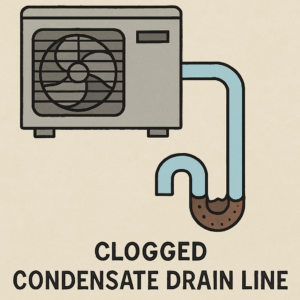
Clogged Condensate Drain Line
The condensate drain line carries moisture away from your AC unit. When blocked, it prevents water from draining properly. This blockage can cause excess moisture to overflow. Indicators of a clogged line include water pooling around the unit.
To address this, consider these steps:
- Inspect the drain line for visible obstructions
- Use a vacuum to clear out blockages
- Flush the line with vinegar or bleach solution regularly
A well-maintained condensate drain line prevents many leaks. Consistent cleaning schedules can preserve your AC’s efficiency.
Frozen Evaporator Coils
Evaporator coils absorb heat from the air, cooling it effectively. Sometimes, they freeze over, disrupting the system. This can result in water dripping as they thaw out. Restricted airflow often causes these coils to freeze.
To solve this, try the following:
- Check for dirty air filters and replace them if necessary
- Ensure vents are open and unobstructed
- Inspect for any airflow obstructions
Proper airflow will help prevent coil freezing and subsequent leaks. Regular maintenance can keep your system running smoothly.
by Buddy AN (https://unsplash.com/@stbuddyp)
Dirty or Damaged Drain Pan
The drain pan captures excess moisture from your AC system. Over time, it can become dirty or even cracked. A damaged pan won’t contain water effectively, leading to leaks.
Actions to consider include:
- Examine the drain pan regularly for cracks or corrosion
- Clean the pan thoroughly to remove debris
- Replace any damaged or old drain pans
A clean and intact drain pan aids in smooth water collection and drainage.
Poor Insulation or Ductwork Issues
Ducts transfer conditioned air throughout your home. If improperly insulated, they can cause condensation to form. This condensation leads to water dripping from vents.
To address insulation issues, try these:
- Inspect ductwork for any visible gaps or tears
- Ensure duct joints are sealed properly
- Add or replace insulation where necessary
Upgrading insulation can improve efficiency and reduce moisture buildup.
Low Refrigerant Levels
Refrigerant facilitates heat exchange within the AC system. If levels are low, it strains the system, potentially causing coils to freeze.
Consider these steps:
- Monitor for decreased cooling performance
- Check for hissing or bubbling sounds near the unit
- Consult a professional to assess and recharge refrigerant
Handling refrigerant issues requires care. Professional assessment is often advisable.
Improper Installation
Proper installation is foundational for efficient AC operation. Mistakes during installation can lead to long-term problems such as leaks. Misaligned ducts or poor sealing cause unexpected drips.
Indicators of installation issues include:
- Unusual noises or vibrations during operation
- Inconsistent cooling throughout the space
- High utility bills without explanation
Ensuring correct installation practices can prevent many future problems. If installation is suspect, contacting a reputable technician is wise.
Signs and Symptoms of an Air Conditioning Leak
Detecting an air conditioning leak early can prevent costly repairs. Many symptoms indicate a problem with your AC system. These signs often point to leaks or condensation issues.
Some key symptoms include:
- Water stains around vents or on ceilings
- Musty odors indicating mold or mildew growth
- Increased humidity levels within the home
Being aware of these signs allows you to act quickly. Consistently monitoring your AC system can lead to prompt intervention.
Is Water Dripping from AC Dangerous?
Water dripping from an AC vent is not inherently dangerous. However, if left unchecked, it can cause significant problems. Continuous leaks can lead to structural damage over time.
Potential hazards include:
- Mold growth, which can impact indoor air quality
- Damage to ceilings and walls around the vents
- Increased repair and maintenance costs
Addressing these issues swiftly helps avoid more serious consequences. Prompt action ensures a safer and more comfortable living environment.
How to Stop Water Dripping from AC Vent: Step-by-Step Solutions
Fixing water dripping from an AC vent requires a methodical approach. Start by identifying the most likely causes. Address each one systematically to resolve the issue.
Begin with simple solutions, and proceed to more complex ones if necessary. Regular maintenance and inspections can prevent future leaks. Here’s a breakdown of steps to tackle the problem:
- Clean or replace air filters regularly
- Unclog the condensate drain line
- Check and clean the drain pan
- Fix insulation and ductwork issues
- Address refrigerant and installation problems
Each step helps eliminate the common causes of water leaks. A professional hvac experts may be needed for more intricate repairs. Remember, a well-maintained AC unit improves home comfort and efficiency.

by Fujiphilm (https://unsplash.com/@fujiphilm)
Clean or Replace Air Filters
Dirty air filters are a frequent culprit for AC leaks. They restrict airflow, which can lead to frozen coils and water drips. To maintain proper airflow, clean or replace filters every 1-3 months.
Steps to clean or replace air filters:
- Turn off the AC unit
- Remove the old filter
- Install a clean filter or wash a reusable one
Keeping filters clean helps ensure the AC system runs efficiently. This simple step can prevent many problems.
Unclog the Condensate Drain Line
A clogged condensate drain line can cause water to back up and overflow. This backup often results in water dripping from the vent. Regularly check and clear the line to prevent this issue.
Steps to unclog the condensate drain line:
- Locate the drain line’s opening
- Use a wet/dry vacuum to clear debris
- Pour a solution of vinegar and water
Clearing the drain line removes blockages effectively. This step maintains the system’s proper function.
Check and Clean the Drain Pan
Over time, the drain pan can become dirty or damaged. This may result in water accumulating and dripping. Inspect the pan regularly to prevent water overflow.
Steps to check and clean the drain pan:
- Turn off the AC unit
- Remove any visible debris
- Inspect for cracks or damage
If necessary, replace a damaged pan to stop leaks. A clean pan helps ensure efficient water drainage.
Fix Insulation and Ductwork Issues
Poor insulation or faulty ductwork can lead to condensation. This moisture contributes to water dripping from vents. Proper insulation minimizes temperature differences and condensation.
Steps to fix insulation and ductwork issues:
- Inspect ductwork for gaps or damage
- Seal any leaks or openings
- Ensure adequate insulation
Addressing these problems reduces condensation and potential leaks. This step enhances the AC system’s efficiency and longevity.
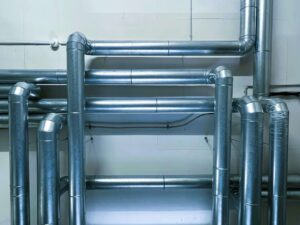
by Clemens van Lay (https://unsplash.com/@clemensvanlay)
Address Refrigerant and Installation Problems
Low refrigerant levels or improper installation can cause leaks. Both require professional attention to diagnose and fix. Promptly addressing these issues prevents further complications.
To address refrigerant and installation problems:
- Hire a qualified HVAC technician
- Inspect for correct refrigerant levels
- Verify proper installation
Professional evaluation ensures accurate diagnosis and repair. This step protects both the AC system and your home.
Preventing Future AC Leaks and Drips
Avoiding future leaks from your AC requires a proactive approach. Consistent maintenance is key to keeping the system running efficiently. Simple prevention methods can save both time and money in the long run.
First, conduct regular inspections. Check for any signs of wear and tear in the system. This helps identify potential problems early.
Routine cleaning is also crucial. Dust and debris can clog components, leading to water accumulation. Keeping the system clean prevents blockages and enhances performance.
Consider implementing the following preventive measures:
- Schedule annual professional maintenance
- Ensure ductwork is properly sealed
- Monitor refrigerant levels regularly
Long-term vigilance ensures the AC operates smoothly. A maintained system provides comfort without the hassle of unexpected drips.
When to Call a Professional HVAC Technician
Knowing when to call a professional HVAC technician can save you from costly repairs later. Some issues require expert knowledge and tools.
If the problem persists despite troubleshooting efforts, it’s time to seek professional help. Unusual noises or poor cooling can signal underlying issues.
Consider calling a technician if you experience:
- Persistent leaks after DIY fixes
- Strange noises from the AC unit
- Inadequate cooling or uneven temperatures
A qualified technician can identify hidden issues and provide lasting solutions. Their expertise ensures the system operates efficiently and safely.
Frequently Asked Questions
Many people have questions about water dripping from AC vents. Addressing these queries can help them understand and resolve the issue.
What causes an air conditioning leak? Leaks often result from clogged drains, frozen coils, or poor insulation.
Why does my AC drip water? Water drips when excess condensation accumulates due to airflow issues or drain clogs.
- Condensate drain blockage
- Frozen evaporator coils thawing
- Improper AC installation
Can I ignore water dripping from my AC vent? Ignoring it can lead to water damage and mold growth in your home.
Is water dripping from AC vents dangerous? It isn’t directly dangerous but can cause structural issues if neglected.
How can I prevent future leaks? Regular maintenance and prompt repairs can help prevent future problems.
These answers aim to provide clarity on common concerns homeowners face with AC vents. Understanding the basics can guide better maintenance and quicker problem resolution.
Conclusion: Protect Your Home from AC Water Damage
Addressing water dripping from AC vents promptly is essential for protecting your home. Ignoring leaks can lead to costly repairs and potential health hazards.
Regular maintenance is the best preventive measure. Keep filters clean, ensure proper insulation, and check drain lines frequently to avoid any issues.
Should problems persist, seek professional assistance to prevent further damage. This proactive approach will protect your home and maintain a comfortable and safe living environment.