
Is mold in ac unit dangerous?
is mold in ac unit dangerous
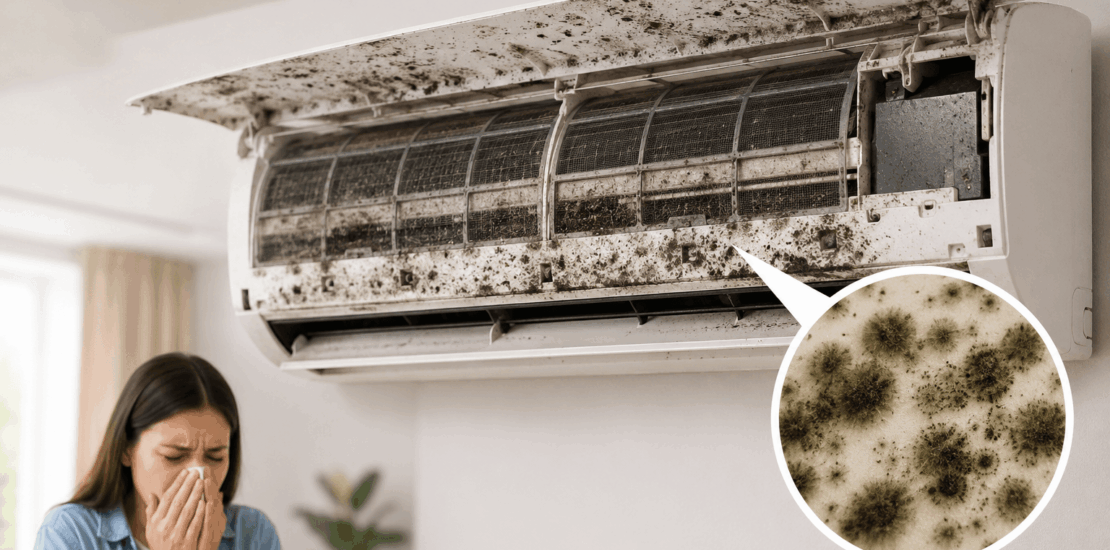
Mold in your air conditioning unit can be more than just a nuisance. It poses serious health risks. Mold spores can spread through the air, affecting indoor air quality.
Breathing in these spores can lead to respiratory issues. Allergies and asthma symptoms may worsen. Mold exposure can also cause headaches and fatigue.
Mold thrives in damp, dark environments. AC units provide the perfect conditions for growth. Regular maintenance is crucial to prevent mold.
Ignoring mold in your AC unit can lead to costly repairs. It can also decrease the efficiency of your system. This results in higher energy bills.
Detecting mold early can save you time and money. Look for musty odors or visible mold. Unexplained health symptoms can also be a sign.
Preventing mold requires a proactive approach. Regular cleaning and inspections are key. Using mold-resistant products can also help.
In this guide, we’ll explore the dangers of mold in AC units. You’ll learn how to prevent and clean mold effectively. Protect your home and health by staying informed.
Understanding Mold in AC Units
Mold is a type of fungus that thrives in moist conditions. Air conditioners, which handle cooling and dehumidification, can create an ideal environment for mold. They contain components like coils and drip pans that can harbor moisture, leading to mold growth over time.
Mold growth in AC units is not uncommon, particularly in humid climates. These regions have higher moisture levels, which make them more susceptible to mold. Drip pans and coils are especially vulnerable because water can easily accumulate there.
Here are key areas where mold frequently grows in an AC unit:
- Coils
- Ducts
- Drip pans
- Filters
Regular maintenance can significantly reduce the risk of mold. Checking these components periodically can help detect moisture buildup early. Early detection is key to preventing mold from spreading through the system.
Lack of ventilation and poor drainage can exacerbate mold problems. Ventilation helps keep moisture levels down, while proper drainage ensures water doesn’t linger. Keeping these systems in check can maintain a mold-free environment in your AC unit. Understanding how and why mold grows in AC units is the first step in addressing the issue. With knowledge, you can implement effective strategies to keep your air conditioning system clean and healthy.
Mold in AC Unit Dangers: Health and Home Risks
Mold in AC units poses significant health risks. Mold spores can enter the air, contaminating the entire home. This affects indoor air quality and poses health threats to residents.
Exposure to mold can lead to various health issues. These range from mild allergies to severe respiratory conditions. Individuals with asthma or compromised immune systems are particularly vulnerable.
Health symptoms associated with mold exposure include:
- Coughing and sneezing
- Skin irritation
- Headaches
- Eye irritation
Indoor air quality suffers greatly when mold is present. Poor air quality can aggravate existing health conditions. It can also introduce new problems, affecting overall well-being.
Mold doesn’t just threaten health—it also damages the home. It can spread through the HVAC system, reaching every room. Mold can damage walls, furniture, and other surfaces if left unchecked.
Home-related problems caused by mold include:
- Musty odors permeating the home
- Structural damage to AC components
- Increased energy bills due to reduced AC efficiency
Also Read: Why does my air conditioner smell like vinegar?
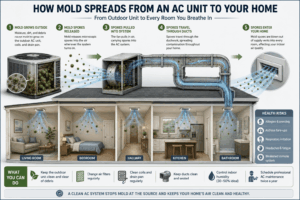
The efficiency of an air conditioning unit decreases if mold grows unchecked. It must work harder to cool, raising energy costs. Mold also impacts the lifespan of the unit, leading to early wear and tear.
Severe mold infestations in AC units may require professional intervention. Technicians can effectively clean and restore the unit. They can also offer expert advice on maintaining a mold-free environment.
Recognizing these dangers underscores the importance of regular AC maintenance. With proper care, you can protect your health, preserve your home, and maintain a reliable air conditioning system. Being proactive helps mitigate risks before they become substantial issues. Understanding these threats can prompt timely actions to ensure a safe living environment.
Also Read: Air conditioning repair tips
How Mold in AC Units Impacts Indoor Air Quality
Mold in AC units severely affects indoor air quality. When mold grows, it releases spores that circulate throughout the home. These spores can settle on surfaces or stay airborne.
Poor indoor air quality can lead to an array of health concerns. When inhaled, mold spores may trigger allergic reactions. Common symptoms include stuffy noses and throat irritation.
The continuous operation of air conditioners can exacerbate this issue. The AC system acts as a vehicle for mold spores. They spread quickly, reaching rooms that appear clean and mold-free.
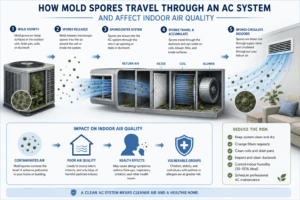
To combat these issues, it is critical to monitor the air quality inside your home. Consider investing in devices that gauge air quality effectively. This helps detect when mold levels might be rising.
Preventative measures can help maintain a healthier environment:
- Regularly replace air filters
- Use a dehumidifier to reduce moisture
- Ensure proper ventilation
By tackling these factors, you reduce the potential for mold growth. High-quality indoor air is crucial for a comfortable, healthy home. Keeping mold at bay is an integral part of achieving that goal. Being vigilant and proactive in managing indoor air quality can protect you and your family from unnecessary health challenges.
Common Signs of Mold in Your Air Conditioner
Detecting mold in your air conditioner is crucial for maintaining a healthy home. One of the most noticeable signs is a persistent musty odor. This smell often spreads through the entire house when the AC is on.
Another sign to look for is visible mold, which may appear near air vents or on the unit itself. Dark spots or patches can indicate a growing mold problem. If you notice these, it’s essential to act promptly to mitigate further growth.
Health symptoms among household members can also signal mold presence. Issues such as frequent coughing, sneezing, or skin irritations could be linked to mold exposure. If these symptoms persist, checking your AC unit for mold might be necessary.
To recap, the main signs of mold in your AC include:
- Musty odors throughout the home
- Visible dark patches on the unit or vents
- Unexplained health symptoms among occupants
Identifying these signs early can prevent extensive mold spread. Regular inspection of your AC unit can help catch mold growth before it becomes a significant issue, ensuring a safe and comfortable home environment.
Also Read: Why is smoke coming out of my ac?
Causes of Mold Growth in AC Units
Mold thrives in specific conditions that are unfortunately prevalent in air conditioning systems. Moisture, darkness, and warmth create an ideal environment for mold to grow and spread. AC units naturally accumulate moisture, making them susceptible to mold infestation, especially in humid climates.
Poor ventilation can also contribute to mold growth. When airflow is restricted or obstructed, moisture can build up, providing a conducive environment for mold. Ensuring proper ventilation around your AC unit can significantly reduce this risk.
Additionally, neglecting regular maintenance may lead to mold issues. Dust and dirt can clog filters and coils, further encouraging mold development. Regular cleaning and inspection are vital to preventing mold and maintaining efficient operation.
Key factors contributing to mold growth in AC units include:
- High humidity and moisture accumulation
- Poor ventilation blocking airflow
- Lack of regular cleaning and maintenance
Understanding these causes helps in implementing effective mold prevention strategies. Addressing these factors can safeguard your home and ensure your air conditioning system remains free from mold, ultimately benefiting your indoor air quality.
How to Prevent Mold in AC Units: Essential Tips
Preventing mold in your AC unit is crucial for maintaining indoor air quality. Regular maintenance can effectively ward off mold growth. Here are some essential tips to help you keep your air conditioning system mold-free.
Regular cleaning is vital. Ensure that filters are changed or cleaned at least once every season. This prevents dust and debris, which can harbor mold spores, from circulating through your system.
Keep moisture under control by using a dehumidifier. High humidity levels in your home can contribute to mold growth not only in the AC unit but throughout the house. A dehumidifier can help maintain optimal moisture levels.
Proper ventilation is another key aspect. Make sure the area around the AC unit is clear of obstructions. This allows adequate airflow, reducing moisture buildup and preventing mold growth. It’s essential to avoid placing furniture or curtains too close to the unit.
Implementing these mold prevention measures can greatly enhance your AC’s performance and extend its lifespan. Keeping tabs on humidity, ventilation, and cleanliness will safeguard your indoor environment. With these simple actions, you can minimize the risk of mold, protecting both your home and health.
Here’s a quick list of mold prevention tips:
- Regular filter cleaning or replacement
- Use of a dehumidifier to control humidity
- Ensure adequate ventilation
And remember:
- Clear obstructions around the AC unit
- Conduct seasonal checks and maintenance
Taking these steps will help ensure your AC system operates efficiently and mold-free.
How to Clean Mold from Air Conditioner Safely
Cleaning mold from an air conditioner requires proper safety measures. Mold spores can be harmful if inhaled, so taking precautions is essential. Let’s go through the steps to clean your AC unit safely.
First, gather necessary materials. You’ll need gloves, masks, protective eyewear, and cleaning solutions like vinegar or baking soda. These materials help protect you while effectively removing mold.
Before starting, turn off your AC system. This prevents mold spores from spreading during cleaning. Disconnect any power sources to avoid electrical hazards.
Here’s a simple cleaning process:
- Remove visible mold: Gently scrub affected areas with a sponge or brush using the cleaning solution.
- Rinse and dry: Wipe away residue with a clean cloth and allow components to dry thoroughly.
If the mold issue is extensive, consider contacting a professional. They have specialized equipment and can ensure a thorough clean.
Additionally, remember these safety tips:
- Work in a well-ventilated area: It reduces mold exposure.
- Dispose of cleaning materials: Don’t reuse cloths or sponges that touched mold.
Never underestimate the importance of protective gear. Safety should always come first when dealing with potentially harmful substances. With careful attention and these simple steps, your AC unit can be free of mold, restoring clean airflow to your home.
When to Call a Professional for Mold Removal
Certain situations demand expert intervention when dealing with mold in your AC unit. If you notice extensive mold growth, it’s wise to seek professional help. Professionals have specialized tools to manage severe mold issues effectively.
Excessive mold can signify deeper problems. For example, unseen leaks or poor insulation could be contributing. A professional can diagnose and address the root causes, preventing future mold growth.
Consider calling a professional if you experience any of these conditions:
- Recurring mold issues: Mold keeps coming back despite cleaning efforts.
- Health problems: Persistent health issues suggest significant mold exposure.
- Visible damage: Mold has led to structural damage in the unit.
Professionals provide expertise and efficiency. They help ensure a thorough and safe removal process. Promptly addressing mold problems can protect both your health and your home’s infrastructure. Don’t hesitate to reach out when the situation feels beyond your control.
Frequently Asked Questions About Mold in AC Units
Many homeowners have concerns about mold in air conditioners. Below are some of the most common questions regarding this issue and helpful answers.
How can mold affect my health?
Mold in AC units can lead to respiratory problems, allergies, and even asthma. People with mold allergies or pre-existing conditions may notice worsened symptoms.
What are the signs of mold in my AC unit?
Look for musty odors, visible mold on components, and increased allergy symptoms when the unit runs. These can indicate a mold problem.
Can mold in AC units affect energy efficiency?
Yes, mold can impair the efficiency of your air conditioning system. It can cause the system to work harder, resulting in higher energy bills.
Here are more frequently asked questions:
- Is mold removal from AC units a DIY project?
- Can I prevent mold with routine maintenance?
- Does the climate affect mold growth in ACs?
Understanding mold helps in taking timely action. This knowledge can protect your health and your home’s air quality. Stay informed to keep mold at bay.
Conclusion: Protecting Your Home and Health
Mold in AC units poses serious risks to both health and property. By understanding the signs and causes of mold, you can take effective preventive measures. Regular maintenance and prompt cleaning can mitigate these dangers, ensuring your air conditioning system operates efficiently.
Don’t wait for health issues to arise before taking action. Keeping your AC unit mold-free improves indoor air quality and prolongs the system’s lifespan. Prioritize regular inspections and stay vigilant. In cases of severe mold, consult a professional to safeguard your home and well-being. A proactive approach can make all the difference in maintaining a safe environment.