How often should you replace a furnace filter?
A furnace filter is a small but crucial component of your home’s heating system. It plays a vital role in maintaining air quality and furnace efficiency. Regular replacement of the furnace filter is essential for optimal performance.
But how often should you replace a furnace filter? The answer depends on several factors, including filter type and household conditions.
Neglecting this simple task can lead to reduced efficiency and higher energy bills. It can also affect indoor air quality, impacting health and comfort.
This guide will help you understand the importance of timely filter replacement. You’ll learn how often to replace it and get tips for maintaining your furnace.
Why Furnace Filter Replacement Matters
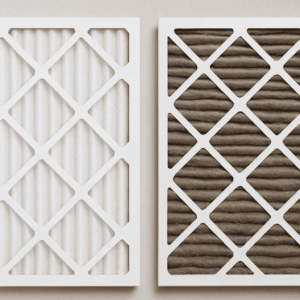
Replacing a furnace filter is more than just routine maintenance; it’s essential for your furnace’s health. A clean filter can help maintain efficient airflow and promote consistent heating performance. Neglect can lead to serious consequences, including potential system damage.
A dirty filter forces the furnace to work harder, increasing energy consumption. This extra strain not only raises your utility bills but also shortens the lifespan of your furnace. Regular filter changes safeguard your investment and keep your home comfortable.
Moreover, a fresh filter significantly improves indoor air quality, reducing allergens and respiratory issues. For families with allergy sufferers, clean filters are vital.
Here’s why regular replacement matters:
- Maintains furnace efficiency
- Enhances air quality
- Extends furnace life
- Reduces energy bills
- Prevents costly repairs

In summary, regular furnace filter replacement is a straightforward yet powerful practice. It improves air quality and furnace efficiency, supporting overall home comfort. Prioritize it to ensure a safe and healthy living environment.
How Often Should You Replace a Furnace Filter?
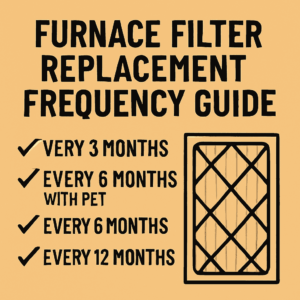
The frequency of furnace filter replacement varies based on several factors. Typically, experts recommend changing filters every 1 to 3 months. However, household circumstances can alter this guideline.
In homes with pets or allergy sufferers, more frequent filter changes may be necessary. Pet hair and dander, along with dust and allergens, can clog filters quickly. Examine the filter monthly to determine if it needs replacing sooner.
High-efficiency filters often have a longer lifespan, but they come with a higher price tag. Understanding your specific filter type is crucial for accurate replacement timing. Always check the manufacturer’s recommendations for guidance.
Here’s a general frequency guideline:
- Homes without pets or allergies: Every 3 months
- Homes with a pet or allergies: Every 1-2 months
- Fiberglass filters: Every 1 month
- Pleated filters: Every 3 months

Remember, seasonality affects how often to replace your furnace filter. During peak usage months, such as winter and summer, you may need to change it more often. By adapting replacement frequency to these factors, you can maintain efficient furnace operation year-round.
Factors That Affect Furnace Filter Replacement Frequency
Several aspects influence how often you should replace your furnace filter. Understanding these factors can help you make informed decisions about your home’s air quality.
First, the type of filter used directly impacts its lifespan. Pleated filters generally last longer than fiberglass filters. However, they might restrict airflow more, making it crucial to monitor their condition.
Household size and activity level also play a significant role. Larger families and frequent social gatherings can increase dust and debris accumulation in filters.
Environmental conditions, such as local air quality, are also crucial. If you live in an area with high pollution, your filter may become clogged sooner. Seasonal changes, particularly in high-demand periods like winter, necessitate more frequent replacements.
Key factors influencing replacement frequency include:
- Filter type and material
- Household size and pets
- Allergy and respiratory issues
- Environmental conditions and pollution
- Seasonal demand for furnace use
Finally, consider lifestyle influences like smoking or frequent cooking. These activities can increase airborne particles, reducing filter effectiveness. Regular monitoring and replacement ensure optimal performance and indoor air quality.
Types of Furnace Filters and Their Lifespans
Different furnace filters come with varied lifespans. Knowing the right type can help in determining how often to replace them. This knowledge ensures better furnace performance.
Fiberglass filters are the most cost-effective option. They usually need replacing every 30 days. While affordable, they are less efficient in trapping small particles.
Pleated filters, on the other hand, offer better efficiency. Made from polyester or cotton, they capture smaller pollutants. These filters generally last between 60 to 90 days, depending on household conditions.
High-efficiency particulate air (HEPA) filters are top-notch for capturing tiny particles. They are ideal for homes with allergy sufferers. These filters can last up to six months but may require more frequent checks.
Common furnace filter types and their lifespans:
- Fiberglass filters: Replace every 30 days.
- Pleated filters: Last 60-90 days.
- HEPA filters: Replace up to every 6 months.
Finally, consider reusable filters for an eco-friendly option. These filters require regular cleaning but can last for years. Their longevity varies based on material quality and maintenance habits.
Signs Your Furnace Filter Needs Replacing
Recognizing when to replace your furnace filter is crucial for efficient heating. Several signs can indicate it’s time for a change.
One clear sign is reduced airflow from the vents. If air circulation seems weaker than usual, a clogged filter may be the cause. This can impact your heating system’s performance.
Another indicator is a noticeable increase in dust levels around your home. A full filter can no longer trap dust effectively, leading to a dustier environment. This may cause discomfort for allergy sufferers.
Finally, if you detect unusual odors or noises coming from your furnace, inspect the filter. These can be signs of restricted air movement, causing the system to work harder.
Key signs that your filter needs replacing:
- Reduced airflow from vents
- Increased household dust
- Unusual odors or noises from the furnace
Paying attention to these signs helps in maintaining furnace efficiency and indoor air quality. A quick check each month can prevent potential issues.
Step-by-Step Guide: How to Replace a Furnace Filter
Replacing a furnace filter is a simple task that anyone can do. Here’s how you can get it done in just a few steps.
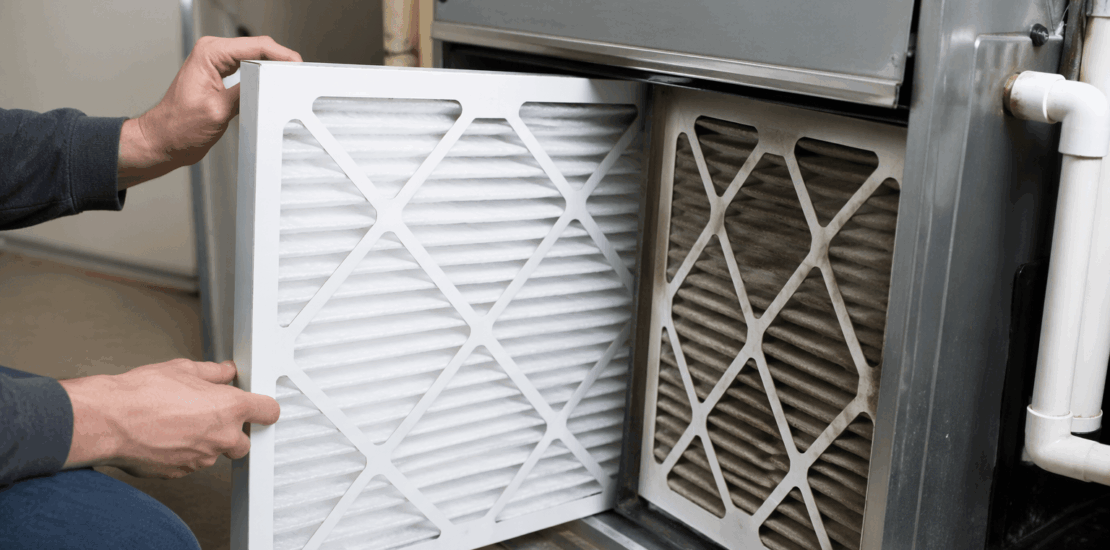
First, ensure safety by turning off your furnace. This prevents any accidental injuries while working on the system. Locate the filter section, which is usually found near the air return duct or blower compartment.
Next, remove the old filter carefully. Note the size and type of the existing filter. This information is crucial for purchasing the correct replacement. Be sure to have a new filter ready before removing the old one.
Insert the new filter, ensuring it fits properly in the slot. Most filters have arrows indicating airflow direction—make sure to align these correctly. Proper installation ensures the system functions as intended.
Here are the steps at a glance:
- Turn off the furnace.
- Locate and remove the old filter.
- Note the filter size and type.
- Insert the new filter.
- Ensure correct airflow direction.
- Turn the furnace back on.
For best results, write the installation date on the filter edge. This simple note serves as a reminder for future replacements. Doing this regularly will keep your furnace running smoothly.
Lastly, don’t forget to dispose of the old filter responsibly. Seal it in a plastic bag to contain any trapped pollutants. Regular maintenance is key to a healthy and efficient furnace system.
Furnace Filter Tips for Better Performance
Regular maintenance of furnace filters is essential for maximum efficiency. Implement these tips to ensure your furnace operates smoothly. First, make a habit of checking the filter monthly. This allows you to catch any issues early and replace it as necessary.
Consider upgrading to high-efficiency filters if you have allergies or pets. These filters capture more particles, improving indoor air quality. Remember, a filter with a higher Minimum Efficiency Reporting Value (MERV) rating might cost more but offers superior performance.
Here are additional tips to enhance furnace filter performance:
- Keep a spare filter on hand.
- Use a flashlight to inspect for dust.
- Educate family members on filter care.
- Select eco-friendly disposable filters.
A proactive approach can help extend the life of your furnace. Keep these tips in mind, and you’ll enjoy cleaner air and a more efficient heating system.
Common Questions About Furnace Filter Replacement
Homeowners often have questions when it comes to furnace filter maintenance. One frequent query is about frequency. How often do you replace a furnace filter? Ideally, every 1-3 months, but it varies with conditions like pets and allergies.
Another common question involves filter types. Which is best for your home? Options vary in materials and efficiency. Consider factors like your home’s air quality needs and budget when choosing a filter.
Other important considerations can include:
- What happens if you forget to change the filter?
- How do you choose the right size filter?
- Is professional help necessary for filter replacement?
By addressing these questions, you ensure your furnace remains efficient and your home stays comfortable year-round.
Furnace Maintenance Tips Beyond Filter Replacement
Regular filter changes are essential, but they’re just one part of furnace care. Comprehensive furnace maintenance involves several key steps. Start by scheduling annual professional inspections. A technician can identify problems before they escalate.
Consider these additional tips to maintain your furnace:
- Clean the vents and registers regularly.
- Inspect the blower belt and motor for wear.
- Keep the area around the furnace clutter-free.
- Check the thermostat for proper operation.
By incorporating these practices, you contribute to your furnace’s longevity and efficiency, ensuring a warm and comfortable home.
Conclusion: Make Furnace Filter Replacement a Habit
Replacing your furnace filter regularly is crucial for maintaining furnace efficiency and good air quality. This simple habit can prevent costly repairs and extend the life of your furnace.
Commit to a regular maintenance schedule. Mark your calendar, set reminders, or use a smart thermostat to alert you. By making filter replacement routine, you ensure a healthy, comfortable home year-round.