Signs Your Heat Exchanger is Cracked
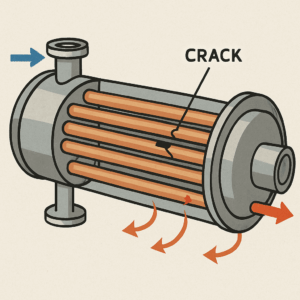
A crack in the heat exchanger in your furnace is a serious issue. It can lead to dangerous situations, including carbon monoxide leaks. Understanding the causes and signs of a cracked heat exchanger is crucial.
This guide will help you identify potential problems early. We’ll explore the risks associated with a crack in the heat exchanger. You’ll learn about the importance of regular maintenance and inspections.
Knowing what to do if you suspect a crack can protect your home and family. We’ll also discuss repair and replacement options.
By the end, you’ll have a clear understanding of how to prevent and address heat exchanger cracks. Stay informed to ensure your furnace operates safely and efficiently.
What Is a Heat Exchanger and Why Is It Important?
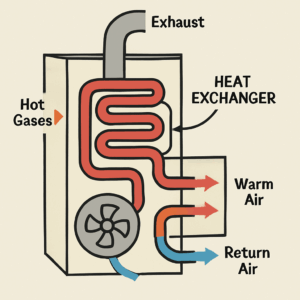
A heat exchanger is a crucial part of your furnace. It transfers heat from combustion gases to the air circulating through your home. This process keeps your living space warm and comfortable.
The design involves a series of metal tubes or coils. These components absorb the heat from burning fuel and safely distribute it. Effective heat transfer is essential for energy efficiency.
The importance of the heat exchanger can’t be overstated:
- Efficiency: It ensures optimal fuel usage.
- Safety: Prevents combustion gases from mixing with indoor air.
- Comfort: Provides consistent warmth throughout your home.

If the heat exchanger fails, the furnace can’t function properly. Cracks or damage can lead to dangerous conditions. Therefore, understanding its role helps you recognize when something might be wrong.
Regular inspections and maintenance are key. By keeping the heat exchanger in good condition, you ensure the safety and efficiency of your furnace system.
What Causes a Crack in the Heat Exchanger?
Cracks in heat exchangers are often the result of various stress factors. Understanding these causes can help prevent serious issues.
One common cause is metal fatigue. Over time, the heat exchanger expands and contracts with temperature changes, leading to wear and tear. This thermal stress can initiate cracks.
Corrosion is another factor that contributes to cracking. Moisture and chemical reactions can corrode the metal, weakening the structure. If ignored, corrosion can quickly lead to significant damage.
Overheating also poses a risk to heat exchanger integrity. Poor airflow or blockages in the system can cause temperatures to rise excessively. This unnecessary heat can warp or crack the metal.
The frequency of on-off cycles may add additional stress. Frequent cycling puts pressure on the exchanger, accelerating wear.
Other potential causes include:
- Poor Installation: Incorrect setup leading to stress points.
- Aging: Older furnaces with outdated components.
- Improper Maintenance: Lack of regular care and cleaning.

Regular maintenance, including cleaning and professional inspections, can significantly reduce the risk of cracks. Awareness of these causes helps in making informed decisions about system care.
Signs and Symptoms of a Cracked Heat Exchanger
Recognizing the warning signs of a cracked heat exchanger is crucial. Early detection can prevent dangerous consequences.
One of the most common indicators is an unusual smell. A distinct, metallic odor could signify a problem, particularly if it’s reminiscent of formaldehyde.
Also, be alert to abnormal burner flames. A steady yellow or orange flame instead of blue may point to a combustion issue linked to cracks.
Soot buildup around the furnace is another red flag. This residue often accompanies improper burning due to exchanger faults.
You might also hear unfamiliar noises. Odd sounds from the furnace could indicate metal expansion or vibration caused by cracks.
Be aware of increased energy bills. A drop in efficiency from a cracked exchanger forces the system to use more fuel.
The presence of carbon monoxide is a significant concern. Install detectors to ensure early detection, as this gas is invisible and lethal.
Signs to watch for include:
- Soot Buildup: Indicates poor combustion.
- Yellow Flame: Abnormal combustion behavior.
- Unusual Smells: Possible gas leak indicators.

Being mindful of these signs can facilitate prompt intervention, protecting your home and family from potential hazards. Regular inspections and monitoring will aid in maintaining a safe heating system.
Dangers and Risks of a Crack in Heat Exchanger Furnace
A crack in the heat exchanger furnace poses serious threats to safety. The most alarming risk is carbon monoxide leakage. This odorless, colorless gas can be lethal in high concentrations.
Another danger is reduced air quality. A cracked exchanger may release harmful gases and particulates into the home. This can lead to health issues, especially for those with respiratory conditions.
Moreover, a crack can reduce furnace efficiency. The system must work harder to heat the home, leading to increased energy consumption and higher bills. Over time, this strain can cause the furnace to fail completely.
There’s also a fire hazard risk. Damaged exchangers can cause overheating, which might ignite nearby materials. This danger underscores the importance of regular maintenance.
Lastly, a failing furnace affects overall home comfort. Inconsistent heating leads to cold spots in living areas, causing discomfort and raising concerns over system reliability.
Potential risks include:
- Carbon Monoxide Poisoning: Invisible but dangerous.
- Increased Energy Costs: Due to inefficiency.
- Fire Hazards: From overheating components.

Understanding these risks underlines the necessity for timely inspection and repair. Safeguarding your home with regular checks is key to preventing these serious threats.
How to Detect a Crack in Furnace Heat Exchanger
Detecting a crack in your furnace heat exchanger is essential for safety. First, pay attention to unusual smells. A sulfurous or metallic odor can signal a problem.
Next, observe the flame’s color. A yellow burner flame instead of blue might indicate a crack. This means the combustion process is not as clean as it should be.
Look out for soot buildup around the furnace. Excessive soot can be a sign that the heat exchanger is malfunctioning. This residue indicates improper combustion.
Strange noises could also be warning signs. Frequent banging or rattling may suggest structural issues within the exchanger. Don’t ignore these sounds as they can lead to larger failures.
Visual inspection is another method. While hairline cracks might be invisible, other deformities or rust are key indicators. However, not all cracks are visible, especially smaller ones.
Using carbon monoxide detectors adds another layer of protection. These devices provide alerts to any dangerous gas presence, hinting at possible exchanger cracks.
Signs to watch for include:
- Unusual Smells: Sulfur or metallic odors.
- Yellow Flame: Sign of combustion issues.
- Soot Buildup and Strange Noises: May indicate cracks.
Regular professional inspections are advisable to catch any hidden damage. Technicians have specialized tools for an accurate diagnosis. This ensures effective detection and prevention of potential hazards.
What to Do If You Suspect a Heat Exchanger Crack
First, don’t panic if you suspect a cracked heat exchanger. Start by turning off your furnace to prevent further damage. Ensuring your system is off also mitigates any immediate risks.
Next, prioritize safety by ensuring proper ventilation. Open windows and doors to allow any trapped gases to escape. This minimizes the danger of carbon monoxide buildup inside your home.
Contact a professional HVAC technician for a thorough inspection. Experts have the tools and experience to verify whether a crack exists. They can assess the damage and provide reliable recommendations.
Avoid using the furnace until a professional evaluates the situation. Operating a damaged furnace could exacerbate the problem, increasing repair costs. It could also compromise your safety and that of your family.
Lastly, consider replacing your carbon monoxide detectors if they’re old. Functioning detectors are crucial for alerting you to dangerous gas levels. This step acts as an additional safeguard in preventing unforeseen hazards.
Steps to Take If You Suspect a Crack:
- Turn Off the Furnace: Prevent further damage and risk.
- Ensure Proper Ventilation: Reduce carbon monoxide risk.
- Contact a Professional: Get a thorough assessment and expert advice.
Repair vs. Replacement: What Are Your Options?
Facing a cracked heat exchanger can be stressful. Deciding between repair and replacement involves weighing several factors. One key consideration is the extent of the damage.
Minor cracks might be repairable, but this isn’t always recommended. Many professionals suggest replacing rather than repairing due to safety concerns. Repairs might offer only a temporary fix.
The age of the furnace also matters. If your furnace is over 15 years old, replacement is often the best option. A new unit can provide enhanced efficiency and peace of mind.
Consider the cost implications, which can vary significantly. While repairing a heat exchanger is cheaper initially, it may lead to future expenses. In contrast, a new furnace might come with a warranty, protecting you from additional costs.
Ultimately, consult with a trusted HVAC technician. They’ll provide guidance based on your specific situation. Evaluate your options carefully to ensure the safety and efficiency of your home heating.
Considerations When Deciding:
- Extent of Damage: Minimal cracks vs. severe damage.
- Age of Furnace: Older units may warrant replacement.
- Cost of Repair vs. Replacement: Immediate expense vs. long-term savings.
- Safety Concerns: Peace of mind with a new unit.
Preventing Cracks in Your Furnace Heat Exchanger
Prevention is key to avoiding expensive heat exchanger cracks. Consistent maintenance is your first line of defense. Regular inspections can catch problems early, before they escalate.
Proper furnace care involves several proactive steps. Clean filters improve airflow, reducing strain on the heat exchanger. Ensure your furnace operates under optimal conditions.
Environmental factors can contribute to heat exchanger damage. Overheating from poor ventilation is a common issue. Keep vents and ducts clear and unobstructed for smooth operation.
Schedule annual tune-ups with an HVAC professional. They can detect issues like corrosion or metal fatigue and address them promptly. A little prevention can extend the lifespan of your furnace and save on costly repairs.
Tips for Maintenance:
- Regular Inspections: Catch issues early.
- Filter Changes: Maintain optimal airflow.
- Proper Ventilation: Prevent overheating.
- Professional Tune-Ups: Identify hidden problems.
Frequently Asked Questions About Heat Exchanger Cracks
Understanding heat exchanger cracks is crucial for homeowners. These cracks can lead to serious issues, including carbon monoxide leaks. Here, we answer some common questions.
How can you tell if the heat exchanger is cracked? Look for signs like strange smells or soot buildup. A yellow burner flame is also a common indicator.
Is it safe to use a furnace with a cracked heat exchanger? Absolutely not. Cracks pose serious risks and require immediate attention.
What is the cost of replacing a heat exchanger? Costs vary based on furnace type and size. Sometimes warranties may cover replacement, especially if the furnace is relatively new.
Quick Answers:
- Detection: Strange smells, soot, yellow flame.
- Safety: Do not use if cracked.
- Cost: Varies; check warranty.
Conclusion: Protecting Your Home and Family
A crack in the heat exchanger in your furnace is a serious issue that demands prompt action. Ensuring the safety and efficiency of your heating system is vital for home safety.
Regular maintenance and professional inspections are key in preventing potential dangers. Always prioritize safety to protect your home and loved ones from any hazardous situations.