Optimal Winter Thermostat Settings for Comfort
Finding the right winter thermostat setting is one of the most effective ways to stay warm while managing heating costs. Homeowners often search for the best thermostat setting for winter that balances comfort, efficiency, and energy savings. Understanding the ideal thermostat setting in winter helps create a consistent indoor environment without unnecessary energy use.
Winter brings a chill that makes us crave warmth indoors. Setting your thermostat correctly is key to comfort and savings.
Many wonder about the ideal winter thermostat setting. It’s a balance between staying cozy and keeping energy bills low.
A well-chosen setting can make a big difference. It affects both your comfort and your wallet.
Understanding how to adjust your thermostat can lead to significant savings. It also ensures your home remains a haven from the cold.
In this guide, we’ll explore the best thermostat settings for winter. We’ll also share tips to optimize your home’s heating efficiency.
Why Winter Thermostat Settings Matter
The thermostat is the heart of your home’s climate system. In winter, it controls how heat circulates throughout your home. Setting it incorrectly can lead to discomfort and high bills.
Using the right thermostat setting benefits more than just your wallet. It extends the lifespan of your heating system. Proper settings ensure your system doesn’t overwork, maintaining efficiency.
Consider these reasons why your winter thermostat setting matters:
- Enhances comfort by maintaining a constant temperature.
- Saves money on energy bills.
- Reduces environmental impact through efficient energy use.

Understanding the impact of thermostat settings can guide you to better decisions. By keeping your thermostat in check, you maintain a cozy home without unnecessary costs.
What Should a Thermostat Be Set at in Winter?
Many homeowners ask, what should my thermostat be set at in the winter or what should you keep your thermostat at in winter to maintain comfort without overspending on heating.
Ideal Winter Thermostat Setting: What Experts Recommend
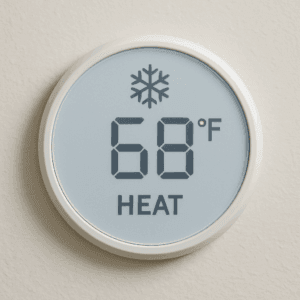
Choosing the right winter thermostat setting is crucial for both comfort and cost savings. Experts generally suggest keeping your thermostat around 68°F (20°C) when you’re home and active. This temperature provides warmth without excessive energy use.
During times when you’re asleep or the house is empty, consider lowering the thermostat. A setting of 60-62°F (15-17°C) is often recommended. This small adjustment can lead to significant savings on your heating bill.
Here’s a quick guideline for optimal winter settings:
- Daytime (home): 68°F (20°C)
- Nighttime/away: 60-62°F (15-17°C)
- Savings tip: Lower by 7-10 degrees for 8 hours to save up to 10% annually
For those wondering what temperature set thermostat winter, these ranges reflect the widely accepted answer to what is the temperature to set thermostat for winter based on comfort and energy efficiency.

Programmable thermostats can automate these changes, adapting to your schedule for added convenience. Similarly, smart thermostats offer more flexibility and can be controlled via smartphones. These modern solutions not only simplify temperature management but also help track energy usage. By adhering to expert advice, you ensure comfort while maximizing efficiency and reducing your carbon footprint. Implementing these settings keeps your home warm without breaking the bank.
Balancing Comfort and Energy Efficiency
Striking the perfect balance between comfort and energy savings during winter can be challenging. While each degree lowered on the thermostat saves about 1% on your heating bill, comfort should not be compromised. Warm clothing and cozy blankets can help maintain comfort without over-relying on the heating system.
When optimizing your heating settings, consider your household’s unique needs and the local climate. For those living in colder regions, a slightly higher setting may be necessary. Conversely, milder climates might require less heating. Adjust your settings based on room usage, ensuring occupied areas remain comfortable.
It’s also common to see people ask what should a heater be set at during winter. In most homes, heater output is controlled by the thermostat, so the good temperature for heater performance aligns directly with recommended thermostat settings rather than a separate adjustment.
Key strategies for maintaining balance:
- Wear warmer layers indoors
- Utilize warm bedding and blankets
- Close doors to unused rooms
- Use draft stoppers to retain heat
By thoughtfully managing your thermostat settings and implementing these cost-effective measures, achieving comfort without sacrificing energy efficiency becomes achievable.
Common Issues: When Room Temperature Is Lower Than Thermostat Setting in Winter
Sometimes, the room temperature feels lower than the thermostat setting, causing discomfort and confusion. This issue often stems from factors such as drafts and poor insulation. Even slight air leaks around windows and doors can significantly impact the indoor temperature.
Address these concerns by inspecting your home for potential draft sources and sealing them effectively. Insulating your house minimizes heat loss and maximizes heating efficiency. Regular maintenance is key to ensuring that your heating system operates effectively without discrepancies in room temperature.
Consider these common causes for temperature mismatches:
- Drafts from windows and doors
- Inadequate insulation in walls or ceilings
- Faulty thermostat calibration

by Jace & Afsoon (https://unsplash.com/@jacegrandinetti)
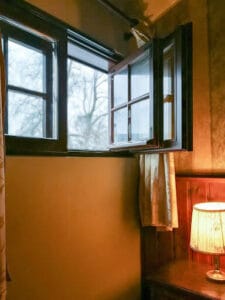
By addressing these issues, you can maintain a consistent and comfortable indoor environment, aligning the actual room temperature with the thermostat setting.
Tips for Maintaining the Best Thermostat Setting for Winter
Maintaining an optimal thermostat setting in winter involves more than simply adjusting the dial. Embracing energy-saving habits can enhance comfort and lower heating costs.
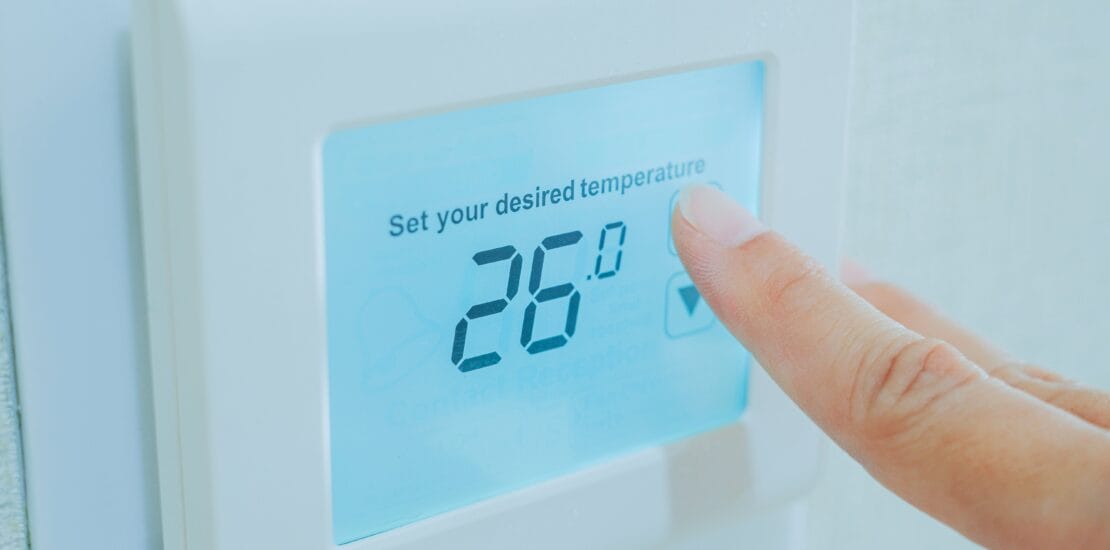
Begin by using programmable or smart thermostats which automatically adjust temperatures based on your schedule. This allows for a lower setting at night or when you’re away, maximizing energy efficiency.
Enhance the warmth indoors by employing insulation and draft-proofing techniques. Wearing layers and using blankets can also reduce the need for higher thermostat settings, conserving energy.
Consider implementing the following practices:
- Set the thermostat to 68°F (20°C) during the day.
- Lower it by 7-10 degrees at night or when away.
For added comfort and efficiency, explore the following strategies:
- Seal drafts around windows and doors.
- Utilize ceiling fans in reverse to distribute warm air.

by Tetiana SHYSHKINA (https://unsplash.com/@shyshkina)
By employing these tips, you can sustain the ideal thermostat setting for winter, ensuring a cozy and cost-effective home environment. Balancing warmth with energy conservation can lead to substantial savings and enhanced comfort.
Smart Thermostats and Advanced Heating Solutions
Smart thermostats have transformed winter heating management. These devices offer adaptability and precision, ensuring your home remains comfortable yet energy-efficient.
Advanced features include learning your habits and adjusting temperatures automatically. This leads to optimized heating schedules that align with your lifestyle.
Consider these smart thermostat benefits:
- Remote control via smartphone.
- Energy usage tracking and reporting.
- Integration with home automation systems.
Upgrading to smart thermostats can significantly enhance your heating strategy. They not only provide convenience but also contribute to substantial energy savings.

by isens usa (https://unsplash.com/@isensusa)
Such devices are ideal for households keen on modernizing their energy management, offering both control and comfort with minimal effort.
Frequently Asked Questions About Winter Thermostat Settings
Many wonder what the best temperature is for winter. Generally, 68°F (20°C) is recommended when you’re at home.
There are concerns about temperature drops when away. It’s suggested to lower the thermostat by 7-10 degrees to save energy.
Here are common questions and solutions:
- What is the optimal setting when asleep? Lower to 60-62°F (15-17°C) for energy savings.
- Why does my room feel colder than the thermostat setting? Check for drafts or poor insulation.
- Can I adjust settings remotely? Yes, with smart thermostats.
These FAQs address both comfort and efficiency, helping you make informed choices for winter settings.
Recommended Winter Thermostat Settings at a Glance
These recommended winter thermostat settings are designed to support comfort, efficiency, and long-term heating system performance. Choosing the best thermostat setting for winter ultimately depends on daily routines, insulation quality, and personal comfort preferences.
Conclusion: Finding Your Ideal Winter Thermostat Setting
The ideal winter thermostat setting balances comfort and efficiency. Adjusting temperatures to your schedule and using modern tools can help. By following expert advice and considering personal needs, you can find what works best for your home.