
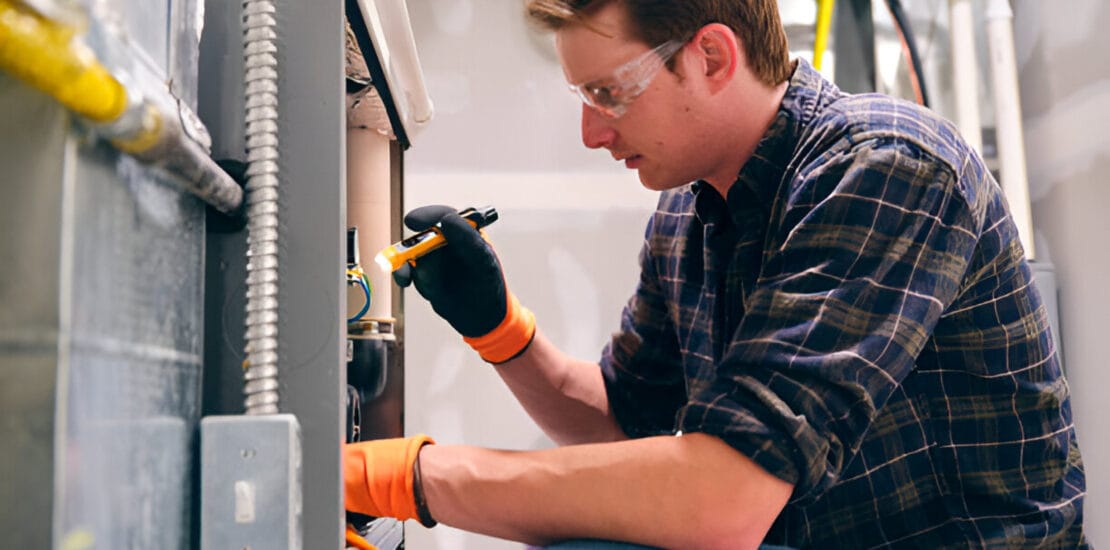
Why Is AC Replacement Expensive Compared to Install?
Why Is AC Replacement Expensive Compared to Install?
Is your air conditioner acting up? You are probably wondering — should I fix it, replace it, or just buy a brand new one?Here is something that surprises most homeowners: AC Replacement can sometimes cost more than installing a completely new system from scratch. At first, that sounds strange. But think of it like renovating an old kitchen — you do not just bring in new appliances. You also tear out the old ones, fix what was hiding behind the walls, and meet today’s safety rules. That is far more work than setting up a kitchen in a brand-new house.
What Do the Numbers Look Like?
- Installing a brand new AC in a home that never had one: $3,800 to $7,500
- AC Replacement in a home that already has a system: $4,500 to $12,000 or more
- Homeowners with an AC older than 10 years spend $400 to $600 every year on repairs alone
The gap exists because replacement is not just installation — it is installation plus removing the old unit, plus fixing hidden problems, plus meeting new environmental and safety rules.
Why Does AC Replacement Cost More?
1. Removing the Old System Takes Real Time and Money
Before the new unit goes in, the old one must come out safely.
This means:
- Collecting the cooling gas (refrigerant) — By law, this gas cannot be released into the air. Special equipment and certified technicians are required.
- Disconnecting all wiring from your home’s electrical system
- Carrying out heavy equipment — both the outdoor box and the indoor unit
- Disposing of everything properly — Old AC units contain metals, oils, and gases that need special recycling facilities
This removal step alone can add 2 to 5 extra hours of labor before any installation even begins.
2. The Cooling Gas Has Changed
The gas that cools your home has recently changed due to new environmental rules. Older systems used a gas called R-410A, which is now being phased out. New systems use a different, safer gas — and this directly raises replacement costs because:
- The old gas cannot be reused in a new system
- Existing pipes may be incompatible with the new gas and need replacing
- Technicians need special training and new tools
Think of it like switching from a petrol car to an electric one — you cannot just swap the engine. Several surrounding parts need to change too.
3. The New System May Not Fit the Old Setup
Modern AC units are far more advanced than systems made 10 to 15 years ago. AC Repair Services professionals regularly find that a new system simply does not “plug in” to the existing setup.
Common upgrades required include:
- Electrical wiring — Newer units need stronger connections than older homes may lack
- Gas pipes — Old pipes may be too narrow or contaminated for the new refrigerant
- Thermostat wiring — Smart thermostats need an extra wire that most older homes do not have
- Unit size — An expert measures your home to find the correctly sized unit. If your old AC was improperly sized — which is very common — the new one will require adjustments
4. The Hidden Air Pipes in Your Home May Be Broken
Your AC pushes cool air through hidden pipes inside your walls and ceiling called ducts. The U.S. Department of Energy says 20 to 30% of cooled air leaks out through gaps in these ducts — like buying a bottle of water and a third of it spilling before you drink it.
When HVAC professionals do a replacement, they inspect these ducts and often find leaks, crushed sections, or pipes that are too narrow. Installing a powerful new AC onto broken ducts is like fitting a new engine in a car with flat tires. It will not work properly, and it can void the manufacturer’s warranty. Fixing the ducts is not optional — and it adds to the total cost.
5. Hidden Problems Are Found Along the Way
Once workers start opening things up, they regularly discover issues that were invisible before:
- Mold growing inside the unit or ducts
- Damaged wiring that does not meet current safety standards
- Water damage caused by a poorly designed drain
- Missing insulation on pipes in the attic or crawlspace
Unlike a brand-new installation where everything is planned ahead, AC replacement is unpredictable. Every discovery adds time and cost — and that uncertainty is built into every professional estimate.
6. Old Systems Keep Draining Your Wallet
If your system is aging, the cost of Air Conditioning repair keeps climbing year after year:
- Parts become hard to find — Manufacturers stop producing parts after 10 to 15 years, and prices rise sharply after that
- Old systems waste electricity — An older AC can use 30 to 50% more electricity than a modern one, costing an extra $300 to $700 per year on energy bills
- Old refrigerant is extremely expensive — A top-up that used to cost $150 can now cost $600 to $1,200 because that older gas is no longer manufactured
Also Read: AC not blowing cold air after power outage
Is Replacement Worth It? Yes — Here Is Why
What Gets Better What It Means for You
| What Gets Better | What It Means for You |
| Lower energy bills | Save $400–$700 per year with a modern, efficient unit |
| Even, comfortable cooling | No more hot and cold spots in different rooms |
| Fewer repair bills | New systems come with 5–10 year manufacturer warranties |
| Higher home value | A new AC adds $2,500–$12,000 in resale value |
| Cleaner indoor air | Better filtration removes more dust, allergens, and pollutants |
Also Read: DIY tips for air conditioning repair
When Should You Replace Instead of Repair?
Two rules every HVAC Expert uses:
- The 5,000 Rule — Multiply your AC’s age by the repair cost. If the answer is above 5,000, replace it. (12 years old × $500 repair = 6,000 → time to replace)
- The 50% Rule — If one repair costs more than half the price of a new system, just replace it.
Other warning signs: your AC is over 10 to 15 years old, electricity bills keep rising every summer, some rooms never cool properly, or the unit keeps switching on and off every few minutes.
A trusted HVAC professional can give you a written comparison — what repairs will cost over 5 years versus what a new system would cost. That single document usually makes the decision clear.
Quick Tips to Lower Your Replacement Cost
- Get 3 quotes — prices vary by 20 to 40% between companies
- Ask for an itemized bill — equipment, labour, permits, and disposal listed separately; avoid vague lump-sum quotes
- Look for rebates — utility companies offer $200 to $800 rebates; the U.S. government offers a tax credit of up to 30% on qualifying systems through 2032
- Replace in spring or fall — companies are less busy and more flexible on pricing
The Bottom Line
AC replacement costs more than a fresh installation because it involves so much more — removing and disposing of the old unit, updating outdated wiring and pipes, fixing hidden damage, complying with new refrigerant rules, and obtaining proper permits.Yes, it’s more initially. However, a new system will bring you a lower electricity bill every single month, eliminate the continual need for Air Conditioning Repair, provide greater comfort for you and your family and enhance the value of your home. For a period of 10 years, it almost always makes more financial sense to replace the old system than to continually patch it up.
Not sure what to do? Talk to a qualified HVAC professional — they will walk you through your options clearly and help you make the smartest decision for your home and your budget.
Ready for reliable cooling without the hassle? Book your AC service with COOL-AID CO. today and stay cool all year long.