Why does my thermostat say auxiliary heat on
Understanding Auxiliary Heat in HVAC Systems
Auxiliary heat is a term often seen on thermostats, especially in homes with heat pumps. But what does auxiliary heat mean?
Understanding this feature is crucial for homeowners aiming to optimize their HVAC systems. Auxiliary heat serves as a backup heating source. It kicks in when the primary heat pump struggles to maintain the desired temperature.
This typically happens during extremely cold weather. The thermostat will display “auxiliary heat” when this mode is active.
Knowing what it means when the auxiliary heat is on can help manage energy costs. Frequent use of auxiliary heat can lead to higher energy bills.
By understanding its function, homeowners can make informed decisions about their heating systems.
What Is Auxiliary Heat?
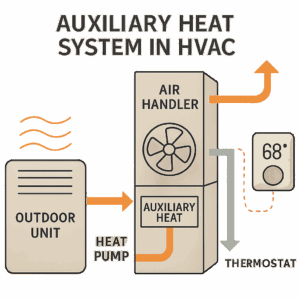
Auxiliary heat refers to a secondary heating function within an HVAC system, particularly in homes using heat pumps. This backup system activates when the primary heat pump cannot keep up with heating demands.
Unlike the primary system, auxiliary heat typically uses electric resistance heating. While effective, it’s less energy-efficient. It’s designed to ensure comfort during cold spells when the heat pump alone isn’t enough.
Here are key characteristics of auxiliary heat:
- Backup Source: Provides additional heat.
- Efficiency: Less efficient than primary heating.
- Usage: Engages during very cold weather.
When outdoor temperatures drop significantly, the heat pump struggles to extract warmth from the air. At this point, auxiliary heat becomes crucial. It activates automatically to maintain the desired indoor temperature. You might see “aux heat” or similar terms on your thermostat display when it’s active.

Understanding what auxiliary heat is can help homeowners optimize energy efficiency. It also plays an essential role in ensuring comfort during cold periods.
How Does Auxiliary Heat Work in HVAC Systems?
Auxiliary heat operates as a supplementary system for heat pumps. It kicks in when your primary heating cannot suffice. This situation often arises during extremely cold weather conditions.
The process is straightforward. When the indoor temperature falls below a set threshold, the thermostat triggers auxiliary heat. This secondary system primarily uses electric resistance coils to generate heat.
Here’s a breakdown of the process:
- Temperature Monitoring: The thermostat continuously monitors indoor temperatures.
- Activation: If the temperature drops, it signals the auxiliary heat.
- Heating Method: Electrical elements heat air quickly.
Auxiliary heat provides immediate warmth by conducting electricity through resistance coils. However, it consumes more energy compared to traditional heat pumps.

In scenarios where the heat pump enters defrost mode, auxiliary heat also plays a role. It ensures that indoor temperatures remain stable. Knowing how auxiliary heat works helps you manage energy consumption effectively. This understanding is vital for homeowners aiming to maintain both comfort and cost-efficiency in their heating systems.
When Does Auxiliary Heat Activate?
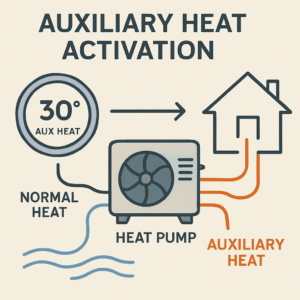
Auxiliary heat engages under specific circumstances to ensure a cozy home environment. It primarily activates when outside temperatures are excessively low. This is because the primary heat pump may struggle to extract sufficient heat from the air.
Another common scenario is during a rapid drop in indoor temperature. If the thermostat detects a sudden change, it prompts the auxiliary heat to maintain comfort levels.
Here are some conditions that trigger auxiliary heat:
- Cold Weather: When outdoor temperatures fall below freezing.
- Rapid Temperature Loss: If your home loses heat quickly.
- Heat Pump in Defrost Mode: Ensures the heat pump’s efficiency by melting any ice.

by Steve Johnson (https://unsplash.com/@steve_j)
Understanding these activation points can aid in managing your HVAC system more effectively. It’s also useful for identifying if your system is in good working order. Recognizing when auxiliary heat kicks in helps in optimizing energy use and maintaining comfort. This knowledge assists in budgeting for seasonal heating costs.
What Does It Mean When the Thermostat Says Auxiliary Heat?
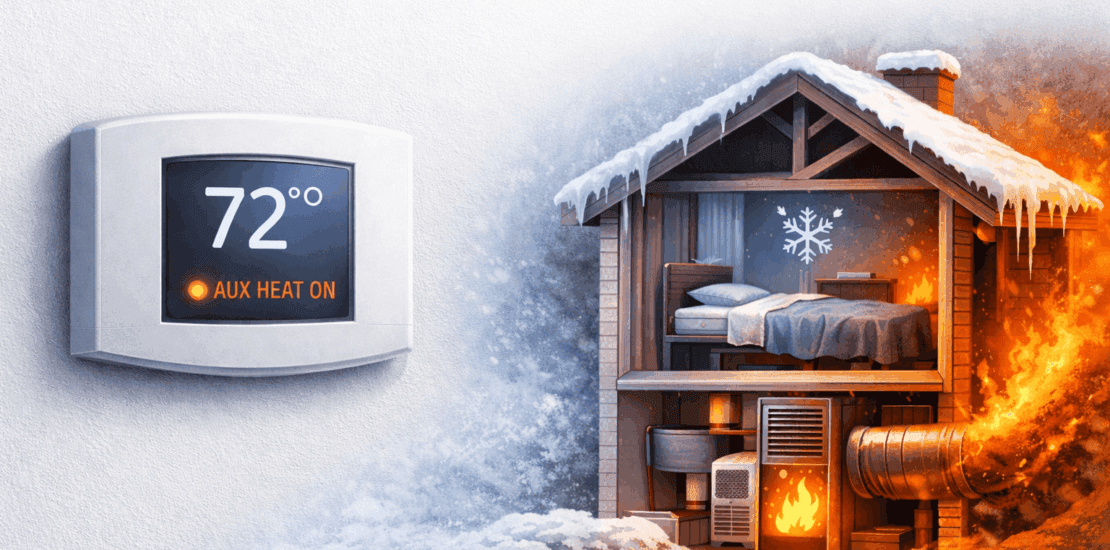
When your thermostat reads “auxiliary heat,” it indicates the backup heating system is running. This usually kicks in when the main heat pump can’t keep up.
It’s a signal that your system is relying on this secondary energy source. The aim is to maintain your home’s warmth efficiently, despite external conditions. You might notice this mode activates during particularly cold spells or unexpected drops in temperature.
Here’s what seeing “auxiliary heat” means:
- Increased Energy Use: May lead to higher utility bills.
- Immediate Temperature Support: Ensures comfort despite cold weather.
- Automatic Activation: Controlled by your thermostat.
Knowing what “auxiliary heat” means can prevent unnecessary concern about rising bills. Understanding this function can enhance your control over home heating. Remember, it’s a standard part of modern HVAC systems, designed to keep your home cozy.
Auxiliary Heat vs. Emergency Heat: Key Differences
Understanding the difference between auxiliary heat and emergency heat can save money and prevent confusion. While both act as backup systems, they serve different purposes in your HVAC setup.
Auxiliary heat is automatically triggered by your thermostat. It activates when the main heat pump can’t efficiently heat your home, often due to extremely cold conditions. It’s a seamless transition that ensures comfort without manual intervention.
In contrast, emergency heat is a manual setting on your thermostat. It’s used when the main heating system completely fails.
Here are their primary differences:
- Auxiliary Heat: Automatic and supplemental.
- Emergency Heat: Manual and primary backup for failures.
- Purpose: Auxiliary for efficiency; emergency for emergencies only.
Knowing these differences allows for more informed decisions about heating management.
Common Reasons for Auxiliary Heat Activation
Auxiliary heat activation can occur for various reasons. Recognizing these can help in managing heating costs and ensuring system efficiency. One primary cause is extremely cold weather. When temperatures drop significantly, the heat pump struggles to draw enough heat from the air.
Another reason is the defrost cycle. When frost accumulates on the outdoor unit, the system switches to auxiliary heat to maintain indoor temperatures while the unit defrosts. Poor home insulation can also lead to frequent auxiliary heat use as more heat escapes.
Sudden indoor temperature changes, like turning the thermostat up too quickly, can also trigger auxiliary heat. Understanding these factors can help you manage auxiliary heat better.
Here’s a quick list:
- Cold weather: Increased demand.
- Defrost cycle: Needed for efficiency.
- Poor insulation: More heat loss.
- Temperature swings: System overcompensation.
Efficient use of auxiliary heat relies on understanding these triggers.
Energy Efficiency and Cost Implications
Auxiliary heat can affect your energy costs. It typically uses electric resistance heating, which is less efficient than a heat pump. This inefficiency means higher energy bills when auxiliary heat runs frequently.
In extremely cold weather, running auxiliary heat becomes necessary. However, even in moderate conditions, poor system performance or insulation can trigger it. Regular maintenance and an efficient HVAC setup can reduce costs.
Setting your thermostat wisely minimizes auxiliary heat use. Over-reliance on this backup heating can significantly inflate utility bills. Understanding these implications is key to efficient energy management.
Key points to consider include:
- Higher costs: More electricity usage.
- Regular maintenance: Ensures efficiency.
- Smart thermostat settings: Reduce activation frequency.
- System efficiency: Keeps energy use in check.
Proper strategies can mitigate excessive energy costs due to auxiliary heat.
How to Minimize Auxiliary Heat Usage
Reducing auxiliary heat usage can save energy and cut costs. Start by ensuring your home is well-insulated. Proper insulation reduces heat loss and eases the load on your HVAC system.
A programmable thermostat can make a big difference. By setting lower temperatures when you’re not home, you reduce unnecessary auxiliary heat activation. This simple change can lead to significant savings.
Regular maintenance of your HVAC system is crucial. A well-maintained system works efficiently and lessens the need for auxiliary heat. Ensure that air filters are clean and the heating components function properly.
Consider these strategies to minimize auxiliary heat:
- Improve insulation: Keep the heat in.
- Use smart thermostats: Optimize temperature settings.
- Conduct regular maintenance: Maintain system efficiency.
Implementing these steps can lead to noticeable improvements in energy consumption and cost savings.

by Delaney Van (https://unsplash.com/@delaneyvan)
Troubleshooting: When Auxiliary Heat Runs Too Often
If auxiliary heat runs frequently, it could signal an issue. Start by checking your thermostat settings. Ensure the temperature is not set too high, as this can cause unnecessary activation.
Next, inspect your system for any maintenance needs. Dirty filters or blocked vents can force your HVAC system to work harder. Routine maintenance can often resolve these issues.
Consider these troubleshooting steps if auxiliary heat is overactive:
- Verify thermostat settings: Ensure they are not overly high.
- Inspect air filters: Replace if dirty.
- Check for airflow obstructions: Ensure vents are clear.
Implementing these checks can help diagnose common problems quickly and effectively.
Tips for Maintaining Your HVAC System
Regular maintenance of your HVAC system is crucial for optimal performance. Well-maintained systems run efficiently and reduce energy costs. To keep your system in top shape, follow these essential tips.
Start by scheduling annual professional inspections. This helps detect potential problems early.
Additionally, consider these maintenance practices:
- Change filters regularly: Dirty filters block airflow.
- Inspect ducts for leaks: Seal them as necessary.
- Maintain outdoor units: Clear debris and ensure good airflow.
By implementing these practices, you ensure your HVAC system runs smoothly and efficiently, reducing reliance on auxiliary heat.
Frequently Asked Questions About Auxiliary Heat
Many homeowners have questions about auxiliary heat. Here are answers to some common inquiries. Understanding these can help you manage your system better.
Is auxiliary heat the same as emergency heat?
No, they are different. Auxiliary heat comes on automatically, while emergency heat is manually activated.
How can I tell if aux heat is on?
Check your thermostat display. It will indicate “auxiliary heat” or a similar message.
For more details and personalized advice, consider consulting an HVAC professional. They can provide guidance tailored to your specific system and home needs.
Conclusion: Understanding and Managing Auxiliary Heat
Auxiliary heat plays a crucial role in maintaining comfort during extreme weather. Knowing how it works and the implications of its use is essential for homeowners.
By understanding what it means when auxiliary heat activates, you can make informed choices. Proper maintenance and strategic thermostat settings can help minimize its use, conserving energy and reducing costs. Familiarize yourself with your system to optimize its performance during the chilly months ahead.