
Why Your AC Unit Buzzes Every Few Minutes: Solutions
Ac unit buzzing every few minutes
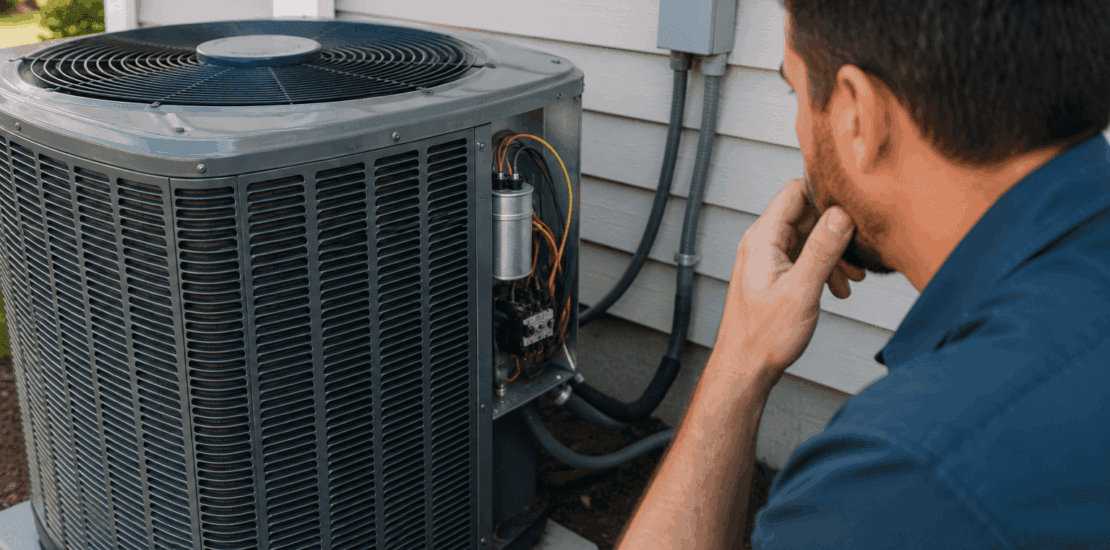
There is nothing quite as frustrating as trying to relax in a cool, comfortable home, only to be interrupted by your ac unit buzzing every few minutes. Instead of providing the quiet, steady flow of chilled air you expect, your system is sending out a distress signal. If you find yourself asking, “why is my ac unit making a buzzing noise?” you are certainly not alone. This is one of the most common—and most misunderstood—HVAC complaints homeowners face.
Ignoring these warning signs can turn a minor, inexpensive repair into a catastrophic system failure. This comprehensive guide will walk you through exactly why your ac unit makes buzzing noise every few minutes, how to diagnose the issue safely, and when it is time to call in the professionals.
Understanding Normal vs. Abnormal AC Unit Sounds
Air conditioners are complex mechanical systems containing high-voltage electricity, pressurized gases, and powerful motors. Because of this, they are never completely silent. However, learning to decode your ac unit sounds is crucial for proper maintenance.
AC Buzzing vs Humming Sound Differences
It is easy to confuse a hum with a buzz, but in the HVAC world, they mean very different things.
- Humming: A gentle, low-pitched hum is typically the sound of the compressor and fan motors running smoothly. It is a steady background noise that fades into the ambiance of your home.
- Buzzing: A sharp, aggressive, or electric-sounding buzz is a red flag. If you notice an intermittent electrical buzzing from outdoor unit components, it usually indicates that an electrical part is struggling to engage, a motor is locked up, or high voltage is arcing.
Simply put, while a hum means “working,” an ac unit buzzing usually means “struggling.”
Also Read: How loud should outdoor ac unit be
Common Culprits: Why Your AC Unit Buzzes Every Few Minutes
When an ac unit buzzing every few minutes occurs, the timing is a massive clue. Intermittent noises usually point to a component that is attempting to start its cycle, failing, shutting down, and then trying again a few minutes later. And while buzzing is the most common offender, it’s not the only strange sound your AC might throw at you—each one is a clue in the great HVAC mystery.
Buzzes, Clanks, and Clatters: What Each Noise Means
Different sounds signal different problems within your air conditioner. Here’s what to keep your ears open for:
- Buzzing or Electrical Humming: A sharp, aggressive, or electric-sounding buzz is a red flag—often pointing to electrical components like contactors or capacitors struggling to operate. When this happens every few minutes, it may signal early electrical wear.
- Clanking Sounds: These usually result from loose or shifting internal parts. Over time, vibration from regular AC use can cause screws or brackets to move out of place, leading to a metallic clank each time the system cycles.
- Clinking or Rattling Sounds: Light metallic clinks or rattles may indicate small debris inside the outdoor unit or minor panel looseness. These noises can get worse if left unchecked, so don’t ignore them.
- Banging Noises: A louder banging sound often suggests a more serious mechanical issue, such as a failing motor or loose internal component. Address this quickly to avoid more expensive repairs.
- Squealing or High-Pitched Sounds: Squealing is commonly linked to worn belts or motor bearings, and in hot climates, these parts wear out even faster.
- Humming Noise: A low humming sound can occur when a motor receives power but cannot start properly. This may relate to capacitor issues and often appears during frequent cycling.
- Hissing Noise: Hissing may indicate airflow restrictions or refrigerant-related pressure issues. While it might not always be loud, it should still be checked by a professional.
1. The Failing Dual Run Capacitor
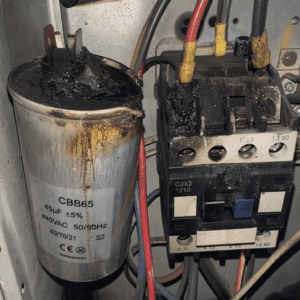
The most common reason for this specific intermittent noise is a dead or dying capacitor. The capacitor acts as a giant battery that delivers a massive jolt of electricity to start the compressor and fan motors. Common HVAC capacitor failure symptoms include:
- A loud buzz followed by a click.
- The fan blades failing to spin unless manually pushed (do not do this with your hands!).
- The top of the silver, cylindrical capacitor appearing swollen or domed.
2. Issues with the Contactor Relay
The contactor is a mechanical switch controlled by your thermostat. When the thermostat calls for cool air, it sends low voltage to the contactor, which magnetically pulls a metal switch closed to send high voltage to the compressor. When troubleshooting AC contactor relay noise, listen closely. If the contactor is dirty, worn out, or failing, the electromagnet won’t pull the metal contacts together smoothly. This results in a loud, continuous electrical buzz or an intermittent chattering sound as the switch struggles to maintain a connection.
3. A Locked or Overheating Compressor
If you find yourself asking, “why does my air conditioner make a loud buzzing noise then shut off?” the answer often lies in the compressor. The compressor is the heart of your cooling system. If it seizes mechanically, it will pull excessive electricity (called “Locked Rotor Amps”) trying to force itself to turn. This creates a terrifyingly loud buzz. Within seconds, an internal thermal overload switch will trip to prevent a fire, shutting the system down. A few minutes later, once the compressor cools, it will try again. These AC compressor short cycling sounds indicate a severe issue that requires immediate professional attention.
4. Loose Electrical Connections
Over time, the natural vibration of the unit can loosen internal screws and wires. Loose wiring inside air handler unit cabinets or the outdoor condenser can cause electrical arcing—where electricity literally jumps through the air between a loose wire and its terminal. This creates a distinct, erratic buzzing sound and is a major fire hazard.
Also read: Air conditioner remote control not working
Also Read: Ac making a lot of noise
How Moisture and Humidity Lead to AC Buzzing
Let’s not forget—South Florida’s relentless humidity isn’t just annoying, it’s tough on your air conditioner’s innards. When moisture sneaks into your condenser’s electrical boxes or the air handler’s wiring, it can wreak havoc in a few ways:
- Corrosion of Electrical Connections: High moisture levels accelerate corrosion on terminals, relay contacts, and control boards. Corroded connections don’t conduct electricity smoothly, causing the system to buzz as components struggle to engage properly.
- Increased Arcing Risk: Dampness can bridge tiny gaps in wiring, creating a path for electricity to arc (jump) unexpectedly. This makes for an unpredictable, crackling buzz—especially common in older homes or coastal areas like Manalapan and Boca Raton.
- Erratic Cycling: Excess moisture can lead to inconsistent system starts and stops, as the corroded connections or small shorts cause the AC to misfire or trip safety mechanisms.
Bottom line: moisture may seem harmless, but let it linger in your AC, and you’re asking for noisy, unreliable performance—and possibly expensive electrical failures down the road.
Simple Checks Homeowners Can Do Safely
Not every buzzing noise requires immediate professional help. Some basic steps can be safely performed at home to rule out simple causes and keep your system running smoothly:
- Check for visible debris around the outdoor unit: Leaves, grass, or even stray palm fronds can block airflow and put extra strain on your AC. Clearing this debris from around the condenser helps reduce excessive noise.
- Listen for changes in the sound pattern: Notice when the buzzing happens and how long it lasts. Does it coincide with the system starting up or shutting down? Tracking this can help determine if the issue is electrical, mechanical, or related to airflow.
- Inspect air filters: A clogged filter restricts airflow, making your AC work harder and possibly buzz as it cycles on and off. Replace filters regularly to prevent abnormal cycling and unnecessary noise.
You don’t need to open the unit or handle electrical components for these checks—just a little observation and basic maintenance can make a big difference.
Issues That Require Professional Attention
While some causes can be checked at home, many buzzing issues signal deeper problems that should only be handled by a licensed technician:
- Electrical component replacement: Contactors, capacitors, and relays are not DIY items. They require the correct size and safe installation. Improper handling can lead to injury or further damage.
- Motor diagnostics and repair: Motors should be tested under load. Only a professional can determine if repair or replacement is needed.
- Refrigerant evaluation: Low refrigerant can cause buzzing and freezing, but only certified professionals should handle refrigerants due to strict safety and environmental regulations.
- Internal cleaning and moisture control: Deep cleaning coils, addressing wiring issues, or managing humidity inside your unit goes far beyond basic homeowner maintenance.
A professional’s expertise ensures your system is safe, efficient, and ready for the long haul.
Is a Buzzing Air Conditioner Dangerous?
Many homeowners wonder: is a buzzing air conditioner dangerous? The short answer is yes.
While a loose screw vibrating might just be an annoyance, a true electrical buzz is inherently dangerous. Electrical arcing generates immense heat, which can melt wires, destroy expensive control boards, and potentially ignite surrounding debris. Furthermore, a struggling motor pulling too much amperage will cause overheating.
In many cases, this excessive electrical draw will lead to your central air conditioning circuit breaker tripping. If your AC is buzzing and repeatedly tripping the breaker, stop resetting it. The breaker is doing its job by protecting your home from an electrical fire. Turn the thermostat to “off” and leave the breaker tripped until the issue is repaired.
Step-by-Step HVAC Noise Diagnostic Guide
If you want to investigate the noise safely before calling a technician, follow this step-by-step HVAC noise diagnostic guide.
Step 1: Isolate the Location of the Sound Stand near your indoor air handler and your outdoor condenser. Does the sound come from the indoor vents, the indoor unit, or the large metal box outside? Electrical buzzing outside usually points to the contactor or capacitor. Buzzing inside points to a failing blower motor or a bad transformer.
Step 2: Differentiate Rattling from Buzzing Sometimes, what sounds like a buzz is actually a rapid vibration. If you apply light pressure to the metal panels of the outdoor unit and the sound stops, you are likely dealing with loose hardware. Fixing rattling noises in central air units is often as simple as tightening the exterior screws with a nut driver or placing rubber isolation pads under the unit’s feet.
Step 3: Inspect the Condenser Coils for Airflow Restrictions If your system is suffocating due to a blanket of dirt, the compressor has to work twice as hard, leading to overheating and buzzing.
But condenser coils aren’t the only parts of your AC that can choke under pressure. Restricted airflow anywhere in the system—including ducts, vents, and filters—can create pressure changes that trigger those annoying buzzing sounds.
Common airflow culprits to check:
- Dirty air filters: A clogged filter is like making your AC breathe through a straw.
- Dust and debris inside ductwork: Over time, ducts can collect enough dust bunnies to throw a party.
- Blocked or closed vents: Furniture, curtains, or overzealous vent closing can stop air in its tracks.
Especially in humid climates, dust and debris build up even faster, putting extra strain on your system and shaving years off its lifespan. Regularly checking and cleaning these components helps keep your AC running quietly and efficiently.
Outdoor units—especially in places like Florida—are magnets for leaves, sand, insects, and storm debris. Even small objects can interfere with moving parts, causing that telltale buzzing noise. Debris-related buzzing may occur when:
- Objects make contact with the fan blades
- Dirt buildup slows down movement
- Moisture causes internal corrosion
Routine inspection helps catch these issues before they damage key components.
Knowing how to clean air conditioner condenser coils safely is a great DIY skill:
- Turn off the power at the outdoor disconnect box.
- Use a soft-bristle brush or a shop vac to remove large debris, leaves, and cottonwood.
- Spray the coils with a specialized, foaming coil cleaner.
- Gently rinse the cleaner away with a garden hose on a low-pressure setting (never use a pressure washer, as it will bend the delicate aluminum fins).
Step 4: Look for Signs of Freezing or Leaks A buzzing or grinding sound can sometimes occur if ice builds up inside the unit and the fan blades scrape against it. Ice is typically caused by poor airflow (dirty filters) or a lack of refrigerant. Refrigerant leak detection methods used by pros involve electronic sniffers or UV dye, but as a homeowner, look for oil stains on the copper lines or listen for a faint hissing sound near the coils.
It’s also important to note that refrigerant plays a key role in absorbing and releasing heat during the cooling process. When pressure levels are imbalanced—often due to leaks or restrictions—the system may emit a persistent buzzing noise as it repeatedly tries to correct itself.
Signs of refrigerant-related issues include:
- Intermittent buzzing while the system runs
- Reduced cooling output, even as the unit runs longer
- A gradual uptick in your energy bills
If these refrigerant issues go unresolved, it can place extra strain on the compressor and other vital components, leading to more costly repairs down the road.
Also Read: How to fix heating and air conditioning
Simple Checks Homeowners Can Do Safely
Some buzzing sounds have straightforward causes you can check without opening the unit or handling any electrical components:
- Clear debris around the outdoor unit: Fallen leaves, grass clippings, or even palm fronds can block airflow and make your AC work harder, sometimes causing buzzing or vibrating noises. Carefully clear away any debris from around the condenser.
- Listen for changes in the buzzing: Take note of when the noise happens and how long it lasts. Does it coincide with the system starting, stopping, or running continuously? These patterns can help you determine if the issue is electrical, mechanical, or related to airflow.
- Check your air filters: Dirty or clogged filters restrict airflow, overwork the blower, and can lead to abnormal cycling and buzzing. Replace filters regularly—especially during heavy-use months.
When to Call a Professional
While some issues are safe to check yourself, many buzzing causes involve electrical or internal components that require professional skill:
- Electrical repairs: If you suspect a bad capacitor, contactor, or relay, don’t attempt to replace these yourself. They must be correctly sized and installed to prevent further damage or injury.
- Motor diagnostics: Diagnosing or repairing blower and condenser fan motors should be left to a technician who can test them under load and determine if repair or replacement is needed.
- Refrigerant issues: Only licensed professionals should handle refrigerant, not only for your safety but to comply with environmental regulations.
- Deep cleaning and internal inspection: If you suspect wiring problems, dirty evaporator coils, or excess moisture inside the unit, have a technician perform a thorough inspection and cleaning.
By following these steps, you can safely rule out a few simple causes and gather helpful observations for your technician. This makes diagnosis quicker, prevents unnecessary part replacements, and—most importantly—keeps you safe.
When to Repair, When to Replace, and Cost Expectations
Once you have identified that your AC needs professional help, it is helpful to know what to expect regarding repair options and costs.
Fan Motor Replacement
If your outdoor fan motor is making a harsh, electrical buzz and is too hot to touch, the internal bearings may have seized, or the motor windings may have shorted. Understanding the cost to replace AC fan motor vs repair is important. Generally, AC fan motors cannot be “repaired” or rebuilt cost-effectively; they must be replaced. A new OEM (Original Equipment Manufacturer) or universal fan motor replacement typically costs between $300 and $600, including labor. If your system is over 15 years old, you might want to weigh this repair cost against the price of a completely new, high-efficiency system.
When it comes to repair costs, the specifics of the buzzing problem will dictate your bill. Minor issues—such as a worn capacitor or loose screws—are typically less expensive fixes, often requiring simple parts and minimal labor. On the other hand, more complex problems like a failing blower motor or a compressor on its last legs involve additional labor, pricier parts, and often a more thorough inspection. Because each air conditioner and situation is unique, a professional diagnosis is always the best route for an accurate estimate tailored to your specific system.
Giving Aging Compressors a Second Chance
If your technician discovers that your compressor is struggling to start—causing that terrible buzz and shut-off cycle—they might suggest a compressor hard start kit installation.
A hard start kit is a specialized combination of a start capacitor and a potential relay. It stores a massive jolt of electricity and forces it into the compressor during startup, giving an aging, tight compressor the extra kick it needs to overcome mechanical friction. Installing a hard start kit is much cheaper than replacing a compressor (usually costing between $150 and $300) and can extend the life of your air conditioner by several years.
Do you own a home in Philadelphia? If your AC needs repair, call Cool-Aid Co. today for fast, reliable, and affordable air conditioning service. Stay cool—schedule your repair now!
Conclusion: Don’t Ignore the Noise
Your air conditioning system represents a significant financial investment in your home’s comfort. An ac unit buzzing every few minutes is not just an annoying disruption to your peaceful afternoon; it is a mechanical cry for help.
Whether it is a simple $20 capacitor, a chattering contactor, or a compressor begging for a hard start kit, addressing the issue promptly is key. By understanding the differences between normal hums and dangerous buzzing, keeping your unit clean, and knowing when to call a certified HVAC technician, you can save yourself thousands of dollars in premature replacement costs and enjoy a cool, quiet home all summer long.