
Why is my heater blowing cold air?
Why is my heater blowing cold air?
Is your heater blowing cold air instead of keeping you warm? This can be frustrating, especially during chilly months.
Understanding why this happens is crucial. It helps you address the issue quickly and efficiently.
Several factors can cause this problem. It might be a simple fix or require professional help.
Common culprits include thermostat settings and dirty air filters. These are easy to check and adjust.
Sometimes, the issue lies deeper. Problems with the pilot light or heating elements can be more complex.
Electric heaters might face circuit breaker issues. Gas heaters could have pilot light troubles.
Heat pumps have their own set of challenges. Low refrigerant levels or defrost mode can cause cold air.
Regular maintenance can prevent many of these issues. It ensures your heater runs smoothly and efficiently.
Common Reasons Your Heater Is Blowing Cold Air
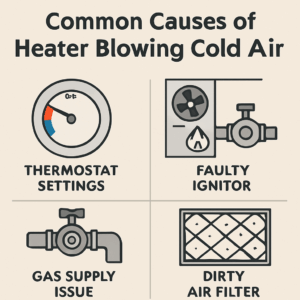
There are various reasons why your heater might be blowing cold air. A common issue is thermostat settings being on “ON” instead of “AUTO.” This setting causes the blower to run constantly, even when not heating.
Dirty air filters are another frequent cause. When filters are clogged, airflow is restricted, resulting in inadequate heating.
Gas heaters may blow cold air due to a malfunctioning pilot light. If the pilot light is out, no warm air will circulate.
Electric heaters have their own challenges. A tripped circuit breaker can cut power, preventing the heater from warming up.
Blocked or closed vents can create uneven heating. This blockage prevents warm air from entering rooms, leading to cold spots.
If your heater is older, parts like heating elements may have worn out. Replacing faulty components is often necessary for restoration.
Leaky ductwork can also be the culprit. Gaps in ducts allow warm air to escape before reaching your living space.
To recap, here are some common reasons:
- Incorrect thermostat settings
- Dirty air filters
- Pilot light issues
- Circuit breaker problems
- Blocked or closed vents
- Worn-out heating elements
- Leaky ductwork
Identifying the cause is the first step to fixing it. You can try some fixes yourself, but complex issues may require professional help.
Thermostat Issues: Settings, Malfunctions, and Solutions
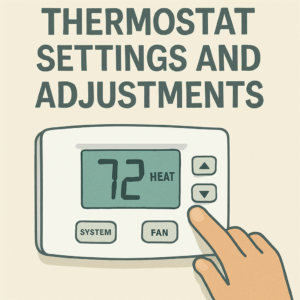
Thermostat issues are a common reason for your heater blowing cold air. If set incorrectly, the thermostat may not signal your heater to warm up. Make sure it is set to “HEAT” and not just “FAN.” The “AUTO” setting ensures the heater only blows air when actively heating.
Sometimes, thermostat malfunctions can arise from technical glitches. This can lead to inaccurate temperature readings, causing the heater to blow cold air instead of hot. Verify that your thermostat’s display shows the desired settings clearly.
Incorrect calibration is another problem. If the thermostat is not calibrated properly, it may misinterpret room temperature. Calibration helps ensure your living space reaches the desired warmth efficiently.
If your thermostat relies on batteries, these may need replacing. Weak batteries can impede performance and result in inconsistent heating.
Placement of the thermostat is also critical. It should be located away from direct sunlight and other heat sources. Incorrect placement can cause false readings, impacting heating efficiency.
To address thermostat issues:
- Check settings to ensure correct mode.
- Replace batteries if the display is dim.
- Verify thermostat placement is optimal.
- Ensure calibration aligns with your home’s needs.
Dealing with thermostats requires precision and care. Adjusting settings thoughtfully will restore warmth and comfort effectively.
Airflow Problems: Filters, Vents, and Ductwork
Airflow problems can cause your heater to blow cold air instead of warm. Dirty air filters are often the main culprit. When filters are clogged, they obstruct the flow of air, preventing warm air from circulating.
Regularly checking and replacing air filters is crucial. A good practice is to replace them every 1 to 3 months. This ensures that air can pass through the system efficiently.
Blocked or closed vents can also lead to airflow issues. When vents are closed or blocked by furniture, the system works harder, reducing heating performance. Make sure all vents are open and free from obstructions.
Ductwork plays a pivotal role in air distribution. Leaky or poorly sealed ductwork can cause heated air to escape. This results in cold air blowing instead. Inspecting ducts for leaks and sealing them can enhance heating efficiency.
In some cases, duct cleaning may be necessary. Dust and debris can accumulate inside ducts, further restricting airflow. Professional duct cleaning can alleviate this problem, improving overall circulation and heating.
Here are quick tips to tackle airflow issues:
- Replace air filters regularly.
- Ensure vents are open and unobstructed.
- Check for and seal duct leaks.
- Consider professional duct cleaning.
Addressing airflow problems requires attention to small details. Taking these steps will help ensure your heater functions as intended.
by Pablo Romay (https://unsplash.com/@pabloromay)
Gas and Electric Heater-Specific Problems
Gas and electric heaters each have unique challenges that can cause them to blow cold air.
For gas heaters, a common issue is a malfunctioning pilot light. If the pilot light goes out, the heater will not ignite, leading to cold air output. Checking the pilot light and relighting it if necessary can resolve this problem.
A clogged burner or faulty gas valve may also prevent proper ignition. These issues can stop the heater from producing warm air. It’s important to inspect the burner and ensure the gas valve is functioning correctly.
Electric heaters might face different problems. A tripped circuit breaker can interrupt the power supply, causing the heater to blow cold air. Checking the electrical panel for tripped breakers and resetting them can restore heater function.
A broken heating element in electric heaters can also lead to cold air. If the element is damaged, the heater cannot generate heat. Replacing the damaged element will often solve this issue.
In some scenarios, a faulty thermostat can cause both gas and electric heaters to blow cold air. Incorrect settings or a malfunction can lead to these problems. Ensuring that the thermostat is set to “heat” and functioning accurately is vital.
Here are key points to check for gas and electric heaters:
- Confirm the pilot light is lit (for gas heaters).
- Ensure circuit breakers are functional (for electric heaters).
- Verify gas valves and thermostats are working properly.
- Inspect and replace any faulty heating elements.
Each type of heater requires specific attention to avoid cold air issues. By addressing these elements, you can maintain a cozy home environment.
Heat Pump Troubles: Defrost Mode, Refrigerant, and Outdoor Units
Heat pumps can sometimes blow cold air due to specific operational features. One key aspect to consider is the defrost mode. During this mode, heat pumps may temporarily blow cold air to melt ice on the outdoor coils. This ensures the system functions efficiently.
Low refrigerant levels pose another challenge. When refrigerant levels drop, heat pumps struggle to warm the air. Checking refrigerant levels and refilling them as necessary can prevent this issue.
Outdoor units also need attention. Blockages, such as leaves or debris, can impede airflow and cause performance issues. Regularly clearing the area around the unit ensures optimal operation.
Ensure the outdoor unit is free from any surrounding clutter. This allows for proper ventilation and prevents mechanical strain.
Here are some steps to troubleshoot heat pump issues:
- Verify whether the system is in defrost mode.
- Inspect refrigerant levels and refill as needed.
- Clear debris from around the outdoor unit.
These checks can help maintain the efficiency of your heat pump.
Mechanical Failures: Blower Motors, Fan Belts, and Heating Elements
Mechanical failures can lead to a heater blowing cold air. Blower motors play a crucial role in circulating warm air. If the motor malfunctions, the air may not be adequately pushed through the vents.
Fan belts are another component that can wear out over time. A broken or loose fan belt hampers the movement of the blower. This results in decreased airflow or none at all.
Electric heaters rely on heating elements to warm the air. A damaged heating element can’t produce heat, causing cold air to circulate instead.
It’s essential to listen for unusual sounds from the heater. Noises can indicate mechanical problems that require attention.
Here are some common signs of mechanical failures:
- Unusual noises from the heater
- Reduced airflow from the vents
- Cold air despite the heater running
Checking these components can help identify issues early.
Safety Mechanisms and Sensor Issues
Heaters are equipped with safety mechanisms to prevent hazards. These features, though essential, can sometimes cause the heater to blow cold air when they malfunction.
One common issue is a faulty limit switch. This can lead the blower to run continuously without heat, causing discomfort.
Sensors play a crucial role in the operation of heating systems. A malfunctioning thermostat sensor can provide incorrect temperature readings. This can lead to insufficient heating.
Blocked flues or exhaust vents can activate safety switches. This prevents the heater from functioning to avoid dangerous conditions.
Signs of safety mechanism or sensor issues include:
- Blower running continuously with no heat
- Inaccurate temperature readings
- Heater shutting off frequently
Regular checks can help ensure these systems work correctly. Proper maintenance avoids triggering safety features unnecessarily.
Seasonal and Environmental Factors Affecting Heating
Seasonal shifts can impact your home’s heating efficiency. Colder months often put additional stress on heating systems. This can lead to unexpected cold air blowing issues.
External factors like wind chills and humidity levels also play a role. They can affect the heating system’s overall performance. Homes with poor insulation might struggle more to retain heat.
Consider these environmental impacts:
- Changes in outdoor temperature
- Increased humidity levels
- Wind exposure affecting heat distribution
Adjusting your heating system to these variables can improve its operation. Environmental adjustments can help maintain a cozy home throughout the seasons.
DIY Troubleshooting Steps for Cold Air Blowing from Heater
If your heater is blowing cold air, try some basic troubleshooting. Start by checking the thermostat. Ensure it is set to “AUTO” instead of “ON.”
Next, inspect the air filters for dirt and debris. Dirty filters can restrict airflow. Clean or replace them as needed to improve performance.
Check your circuit breaker for any tripped switches. Reset any breakers related to your heater’s power supply. This can often resolve simple electrical issues.
Verify that all vents are open and unblocked. Furniture or curtains can obstruct airflow. Move obstructions away to allow proper warm air circulation.
For more detailed guidance, follow these DIY steps:
- Check thermostat settings
- Inspect and clean filters
- Reset circuit breakers
- Ensure vents are open
- Look for error codes on digital thermostats
Simple actions can solve many heating problems. If these steps don’t help, consider consulting with a professional.
When to Call a Professional HVAC Technician
Not all heater issues can be fixed by a DIY approach. If your heater still blows cold air after troubleshooting, it might be time for expert help. Experienced professionals can identify underlying problems efficiently.
Persistent issues like frequent cycling and unusual noises should not be ignored. These signs often indicate severe system problems. It’s best to address them early to prevent further damage.
Consider contacting a professional HVAC technician when you experience:
- Recurring cold air problems
- Unusual sounds from the heater
- No improvement after DIY steps
Professional intervention ensures your heating system operates safely and effectively.
Preventative Maintenance Tips to Avoid Cold Air Issues
Preventative maintenance is key to keeping your heater functioning properly. Regular check-ups can prevent many common issues.
Ensure that air filters are replaced regularly. This helps maintain good airflow and system efficiency.
Additionally, keep vents and ductwork clean and unobstructed. This promotes even heat distribution throughout your home.
Here’s a quick list of maintenance tips:
- Replace air filters every 1-3 months
- Keep vents and ducts clean
- Schedule annual HVAC inspections
Regularly inspect your thermostat settings and ensure the thermostat is functioning correctly. This can prevent incorrect temperature readings. Taking these steps can help you avoid cold air problems and extend your heater’s lifespan.
Frequently Asked Questions About Heater Blowing Cold Air
Why is my heater blowing cold air?
This can happen due to thermostat settings, airflow issues, or mechanical faults. Each requires a different approach to resolve.
Can a dirty filter cause my heater to blow cold air?
Yes, clogged filters restrict airflow, causing the system to blow cold air. Regularly replacing filters can prevent this.
What should I do if my thermostat is malfunctioning?
First, check the settings. If the issue persists, recalibration or professional inspection may be needed.
How often should I schedule HVAC maintenance?
At least once a year is recommended. Regular check-ups can prevent many issues, including cold air problems.
Conclusion: Keeping Your Home Warm and Comfortable
Keeping your heating system in top shape ensures comfort during colder months. Regular maintenance and timely troubleshooting can prevent most heating issues.
Don’t hesitate to seek professional help when faced with persistent problems. Your home’s warmth depends on it.