

How often should you replace a furnace filter?
Furnace filter replacement is crucial for maintaining a healthy home environment. It ensures your heating system runs efficiently and effectively.
Many homeowners overlook this simple yet vital task. Neglecting it can lead to higher energy bills and poor air quality.
Regularly changing your furnace filter can prevent these issues. It helps keep your furnace in top condition and extends its lifespan.
Understanding how often to replace your furnace filter is key. This guide will provide you with the necessary information on “how often should you replace furnace filter” and tips.
By following these guidelines, you can ensure a comfortable and safe living space. Keep reading to learn more about furnace filter replacement.
Why Furnace Filter Replacement Matters
Replacing furnace filters is more than routine maintenance. It plays a vital role in home and furnace care. Dirty filters can lead to inefficient furnace operation and increased energy costs. Over time, something as simple as skipping regular filter changes can quietly add to your overall heating expenses and even increase your annual furnace maintenance costs, especially if restricted airflow leads to avoidable service calls.
Furnace filters trap dust, pollen, and other particles. This not only protects your heating system but also improves indoor air quality. A clogged filter limits airflow, making the furnace work harder.
Regular filter replacement offers multiple benefits:
- Lowers energy bills
- Extends furnace life
- Enhances indoor air quality
By understanding these benefits, you emphasize their importance in home maintenance. Efficient furnaces use less energy, reducing operational costs. Timely filter changes ensure a healthier living environment for you and your family.
Why Homeowners Ask This Question in So Many Different Ways?
Homeowners often search for answers using slightly different wording, such as how often should you change furnace filter, how often do you change a furnace filter, or how often should you replace your furnace filter. While these questions sound different, they all point to the same concern—maintaining proper airflow, energy efficiency, and healthy indoor air.
Some people ask how often should I change my furnace air filter when they notice rising energy bills, while others wonder how often do you need to change a furnace filter after seeing more dust around the house. These variations usually reflect different situations rather than different solutions.
Understanding this helps homeowners recognize —how often should the furnace filter be changed or how often should furnace filters be changed—the goal is always the same: replacing the filter before it becomes clogged and affects system performance.
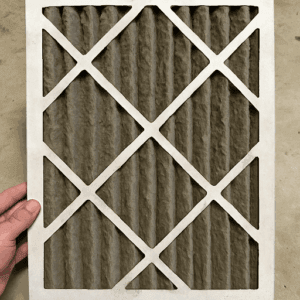
How Often Should You Replace a Furnace Filter?
The frequency of replacing furnace filters depends on several factors. Typically, experts recommend changing them every 1-3 months. This guideline helps ensure optimal performance and efficiency.
Certain situations may require more frequent changes. Homes with pets, for instance, need more attention due to increased dander. Likewise, residences with allergy sufferers benefit from cleaner air with regular filter replacements.
Seasonal variations impact filter replacement, too. During peak heating seasons, filters tend to gather more dust and debris. Therefore, they might need checking and changing more often during these times.
Here’s a simple guide to help you decide:
- Every month: If you have pets or allergies
- Every two months: During high usage seasons
- Every three months: General use without specific conditions
Regular inspections are wise, especially when unsure. A visual check can indicate if your filter is dirty or clogged. Remember, maintaining a clean filter is a small task that yields major benefits.
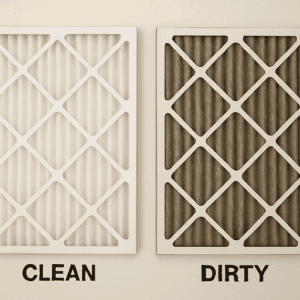
Factors That Affect Furnace Filter Replacement Frequency
Several factors influence how often you should change your furnace filter. Understanding these can help keep your system running smoothly and your air clean.
Household conditions play a significant role. Homes with multiple pets, for example, collect more hair and dander. This increases the need for frequent filter changes.
The type of furnace filter also matters. High-efficiency filters last longer but might need regular inspections. Fiberglass filters, conversely, demand more frequent replacements.
Environmental factors are important too. Dusty areas, or homes close to construction sites, will likely require more frequent changes.
Additionally, the usage of your heating system impacts filter lifespan. In colder months, your furnace works harder, and filters accumulate particles faster. If airflow becomes too restricted, it can even interfere with safety components like the pressure switch, leading to issues such as a pressure switch stuck open that prevent the furnace from operating properly.
Keep these influencing factors in mind:
- Type of filter used
- Presence of pets or allergies
- Environmental conditions
- Furnace usage level
by Daniel Páscoa (https://unsplash.com/@dpascoa)
By considering these factors, you can decide the optimal frequency for filter replacement.
Types of Furnace Filters and Their Lifespans
Various types of furnace filters are available, each with unique lifespans and efficiencies. Choosing the right one can enhance air quality and furnace efficiency.
Fiberglass filters are the most common and budget-friendly. They usually last about a month and are great for basic protection.
Pleated filters offer better air filtration and last between one to three months, depending on household conditions. They capture smaller particles than fiberglass filters.
Electrostatic filters are known for their high efficiency. These can last several months and are reusable if cleaned regularly. Each type serves different needs:
- Fiberglass: 1 month lifespan
- Pleated: 1-3 months lifespan
- Electrostatic: reusable with regular cleaning
Understanding these options will help you pick the best filter for your furnace. Choose based on both efficiency and replacement frequency needs.
Signs Your Furnace Filter Needs Changing
Knowing when to change your furnace filter is crucial for system health. Several telltale signs can indicate it’s time for a replacement.
If you notice more dust around your home, it might be a sign of a clogged filter. Dust accumulation suggests the filter isn’t trapping particles efficiently.
Another sign is a sudden increase in energy bills, which can result from your furnace working harder due to restricted airflow. In some cases, a clogged filter can also contribute to furnace clicking noises, as components strain or cycle improperly when airflow is reduced.
Look for these signs:
- More dust around the home
- Unusual furnace noises
- Rising energy costs
Regularly inspecting your filter can prevent these issues. Monitoring these indicators will help maintain furnace efficiency.
How to Check and Replace Your Furnace Filter
Checking and replacing your furnace filter is a simple task. Ensure your safety by turning off the furnace before starting. For older gas furnaces, this shutdown process may also involve verifying that ignition components are functioning properly, since understanding the basics of lighting a furnace pilot light can be helpful when restarting the system after maintenance or seasonal downtime. Locate the filter compartment, which is usually near the intake or blower.
Carefully slide out the old filter. Note its size and type. This information is vital for choosing the correct replacement filter.
Replace the used filter with a new one, ensuring the arrows align with the airflow direction. Regular replacement supports efficient heating and a cleaner home.
Steps to follow:
- Turn off the furnace
- Remove the old filter
- Insert a new filter
Performing this task regularly can prolong furnace life and improve air quality.

by Harrison Chang (https://unsplash.com/@harrisonchang)
Tips for Maintaining Your Furnace and Air Quality
Maintaining your furnace goes beyond just changing filters. Regular maintenance is essential for optimal performance and cleaner indoor air. This can lead to fewer repairs and a longer furnace lifespan.
Consider scheduling professional inspections annually. Meanwhile, simple DIY tasks can keep your system efficient.
Helpful maintenance tips include:
- Vacuum vents and registers regularly
- Check filter monthly
- Monitor and adjust humidity levels
- Ensure proper ventilation in utility spaces
Consistent attention to these details can improve air quality and overall comfort in your home.
Frequently Asked Questions About Furnace Filter Replacement
Understanding furnace filter replacement can seem complex. Here are some common questions and straightforward answers to guide you.
Many ask, “How often should I change my furnace air filter?” Generally, every 1-3 months is recommended, but it can vary with conditions in your home.
Other common queries include:
- What MERV rating should I choose?
- Can I clean and reuse filters?
- Do seasons affect how often I change it?
For further guidance, consult your furnace manual or a professional. These steps can ensure your furnace continues running smoothly and efficiently.