
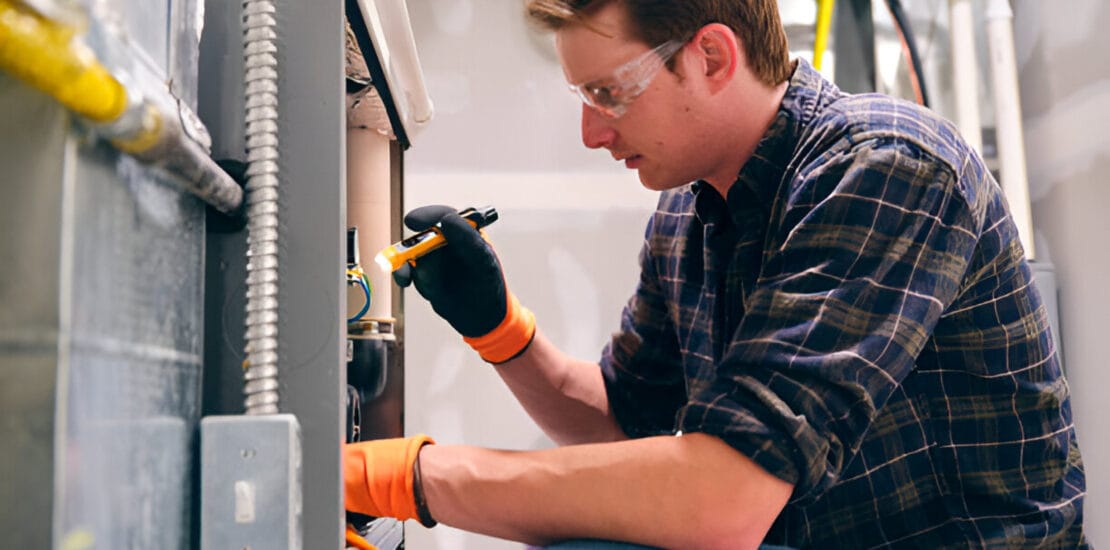
Understanding Annual Furnace Maintenance Costs
The annual furnace maintenance cost is what you pay each year to have a professional inspect, clean, and tune up your heating system. On average, homeowners spend between $100 and $300 per year, depending on the type of furnace and the extent of services performed.
While this might seem like an unnecessary expense, it’s actually a smart investment. A well-maintained furnace operates efficiently, lasts longer, and prevents costly breakdowns during peak winter months. In contrast, neglecting maintenance can lead to reduced efficiency, higher energy bills, and premature system failure.
Components of Furnace Maintenance
A professional furnace tune-up typically includes several key components designed to keep your system in optimal shape:
- Inspection: Checking all major parts, heat exchanger, burner, blower, and ignition system, for wear and damage.
- Cleaning: Removing dust, debris, and soot buildup to prevent airflow restrictions.
- Filter Replacement: Ensuring your system breathes properly and maintains clean air quality.
- System Testing: Verifying thermostat accuracy, airflow balance, and carbon monoxide safety levels.
- Lubrication: Keeping moving parts running smoothly to minimize friction and wear.
Each of these tasks plays a critical role in maintaining the health and efficiency of your furnace.
Average Costs for Different Types of Furnaces
The furnace tune-up cost can vary based on the system’s type and energy source. Here’s a general breakdown:
- Gas Furnace Tune-Up Cost: Typically ranges from $80 to $150. Gas furnaces are common and generally inexpensive to maintain.
Oil Furnace Tune-Up Cost: Slightly higher, averaging $150 to $300, since oil systems require more extensive cleaning and filter changes. - Electric Furnace Maintenance: Usually costs between $100 and $200, as there are fewer components to clean or adjust.
It’s worth noting that high-efficiency furnaces may require specialized maintenance due to additional components like condensing units or advanced sensors, which can increase the overall cost.
Importance of Seasonal Maintenance
Scheduling your furnace tune-up at the right time makes all the difference. Ideally, you should have it inspected in early fall, before the heating season begins. This is especially important for older gas furnaces with standing pilot lights, as lighting a furnace pilot light correctly before winter use helps prevent startup failures, ignition delays, and potential safety concerns. This ensures that any potential issues are caught before the system is under heavy use.
Moreover, performing maintenance during the off-season often costs less. When technicians are less busy, seasonal discounts or package deals can significantly reduce your yearly furnace maintenance cost.
Regular maintenance not only keeps your system running efficiently but also prevents emergency repair calls when you need heat the most.
Factors Influencing Furnace Maintenance Costs
Several variables can affect your furnace inspection cost and overall maintenance expenses. Let’s take a closer look:
1. Type of Furnace and Efficiency Ratings
Different furnace types, gas, oil, or electric, require varying levels of care. High-efficiency models (with AFUE ratings of 90% or higher) often include additional parts like secondary heat exchangers and condensate drains, which need more time and attention during maintenance.
2. Location and Labor Costs
Where you live can also impact pricing. Urban areas or regions with higher labor rates may charge more for HVAC services. Additionally, some regions have stricter environmental regulations, which can increase service costs.
3. Seasonal Demand and Timing
Maintenance costs tend to spike during the fall and early winter when demand for furnace services peaks. Booking your tune-up in late summer can help you lock in a better rate.
4. Age and Condition of the Furnace
Older units often need more frequent attention, as parts wear out and efficiency declines. Unusual sounds, such as persistent clicking noises, are often early warning signs of aging components that should be addressed during routine maintenance rather than ignored until a breakdown occurs. Newer systems, on the other hand, might require fewer repairs but should still be inspected annually to maintain warranties and performance.
Breakdown of Common Furnace Maintenance Services
Furnace Inspection Cost
A standalone furnace inspection usually costs between $50 and $150, depending on the depth of the assessment. This inspection helps identify worn components, gas leaks, or airflow problems before they escalate. For example, a pressure switch stuck open is a common issue technicians uncover during inspections, as it directly affects safe operation and can prevent the furnace from starting altogether.
Cleaning and Upkeep Costs
Cleaning is one of the most crucial parts of furnace maintenance. Dust and debris can clog the burners and blower, causing efficiency loss. Cleaning services typically cost $80 to $200, depending on the furnace type.
Filter Replacement and Upgrades
Replacing filters is an inexpensive yet vital task. Basic filters cost $10–$30, while high-efficiency or HEPA filters can range up to $100. Understanding how often you should replace a furnace filter is just as important as choosing the right type, since overdue changes can restrict airflow and quietly drive up energy costs.
Comparing HVAC Maintenance Pricing
Package Deals vs. Individual Services
Many HVAC companies offer annual maintenance plans that combine inspection, cleaning, and priority repair services into one package. These plans usually cost $150–$300 per year and provide better value than paying for individual tune-ups or emergency visits.
Long-term Savings with Regular Maintenance
While skipping maintenance might save money upfront, it can lead to higher costs in the long run. A dirty or neglected furnace works harder, increasing your monthly utility bills. Regular maintenance ensures optimal performance, which can reduce energy costs by up to 15% annually.
Benefits of Knowing Your Annual Maintenance Cost
Being aware of your annual furnace maintenance cost provides far more than just a budgeting advantage, it gives you control, predictability, and confidence in managing your home’s comfort. Here’s how knowing your yearly expenses can make a real difference:
1. Budgeting for Homeowners
Understanding your yearly furnace maintenance cost allows you to plan ahead and manage your home expenses with ease. Instead of dealing with surprise repair bills during peak winter months, you can set aside a small annual budget dedicated to your furnace’s upkeep. This proactive approach not only reduces financial stress but also ensures that maintenance never gets delayed due to unplanned expenses. Having a clear idea of your annual cost helps you stay financially prepared and prevents last-minute service emergencies.
2. Preventative Measures and Cost Savings
Regular maintenance acts as a preventive shield for your furnace. When small issues, like loose connections, dirty filters, or worn-out parts, are addressed early, you avoid costly repairs or complete system failures down the line. Spending a few hundred dollars on routine tune-ups can save you thousands in emergency repair or replacement costs. It’s a classic example of “spend a little now to save a lot later.” Knowing your furnace tune up cost helps you make these small, smart investments that keep your heating system running efficiently year after year.
3. Enhancing Safety and Efficiency
Safety should never be overlooked when it comes to furnace maintenance. Furnaces that burn fuel, such as gas or oil units, pose potential risks if not properly serviced, like gas leaks, carbon monoxide exposure, or overheating components. Scheduling annual inspections ensures all safety checks are performed, including testing for leaks and verifying proper combustion. At the same time, a clean and well-tuned furnace operates more efficiently, consuming less energy to heat your home. This not only keeps your family safe but also lowers your monthly utility bills.
4. Extending the Lifespan of Your Furnace
A furnace is a significant investment, and like any machine, it lasts longer when properly cared for. Regular maintenance minimizes strain on components, reduces buildup of dirt and debris, and ensures each part functions smoothly. Skipping maintenance, on the other hand, can shorten your furnace’s life by several years. On average, a well-maintained furnace can last 15 to 20 years, while a neglected one may fail in just 10 to 12. By staying aware of your annual furnace maintenance cost, you’re essentially investing in the longevity of your system and avoiding the premature expense of a replacement.
5. Avoiding Unexpected Breakdowns
Few things are as inconvenient as a furnace breaking down in the middle of a cold night. Regular maintenance drastically lowers the risk of these sudden failures by ensuring every component is checked and optimized before heavy winter use. Technicians can identify early warning signs; such as unusual noises, uneven heating, or reduced airflow, before they escalate into major problems. Knowing your annual service cost encourages consistency in scheduling tune-ups, so you can count on your furnace to perform reliably when you need it most.
6. Maintaining Warranty Coverage
Many furnace manufacturers require annual professional maintenance as part of their warranty terms. Failing to schedule these tune-ups can void your warranty, leaving you responsible for expensive repairs or even full system replacements. By understanding your annual furnace maintenance cost, you can plan regular service visits and keep detailed records as proof of maintenance. This ensures your warranty remains valid and protects you from paying for issues that might otherwise have been covered.
7. Improving Indoor Air Quality
A clean furnace does more than just heat your home efficiently, it also contributes to healthier indoor air. Over time, dust, dirt, and allergens accumulate in your furnace and duct system. Without regular cleaning and filter replacement, these contaminants circulate through your living space, reducing air quality and aggravating allergies or respiratory issues. Annual maintenance includes filter changes and deep cleaning, helping to maintain cleaner, fresher air inside your home. By factoring this into your furnace tune up cost, you’re also investing in your family’s comfort and well-being.
Conclusion
Understanding your annual furnace maintenance cost isn’t just about dollars; it’s about comfort, safety, and smart homeownership. Routine maintenance ensures your system runs efficiently, reduces repair bills, and extends your furnace’s lifespan.
Whether you own a gas, oil, or electric furnace, scheduling a yearly furnace tune-up keeps your home cozy and your energy bills low. Remember, prevention is always cheaper than repair, so investing in maintenance today means saving money and stress tomorrow.
By knowing what goes into your furnace’s upkeep, you’re not just maintaining a heating system, you’re protecting your home’s comfort and your peace of mind for years to come.
FAQs
- How much does a furnace tune up cost?
The average furnace tune up cost ranges between $80 and $300, depending on the type of furnace, its age, and your location. Gas furnaces are typically less expensive to maintain than oil or high-efficiency models.
- What does a furnace tune up include?
A standard furnace tune up includes inspecting key components, cleaning burners and filters, checking thermostat calibration, testing safety controls, lubricating moving parts, and ensuring proper airflow and efficiency.
- How often should I have my furnace serviced?
Experts recommend scheduling a furnace inspection and maintenance once a year, ideally in early fall before the heating season starts, to ensure your system runs efficiently and safely.
- How long does a furnace tune up take?
A typical furnace tune up takes about 60 to 90 minutes, depending on the system’s condition and any additional cleaning or repairs needed.
- What is the average annual furnace maintenance cost?
The annual furnace maintenance cost usually falls between $150 and $300 per year when you include inspection, cleaning, and filter replacement. This small annual investment helps prevent costly repairs later.
- Is a furnace tune up really necessary every year?
Yes. Annual tune-ups prevent efficiency loss, reduce the risk of breakdowns, and keep your manufacturer’s warranty valid. Skipping maintenance can lead to higher utility bills and premature system failure.