Troubleshooting Blinking Red Light on Furnace
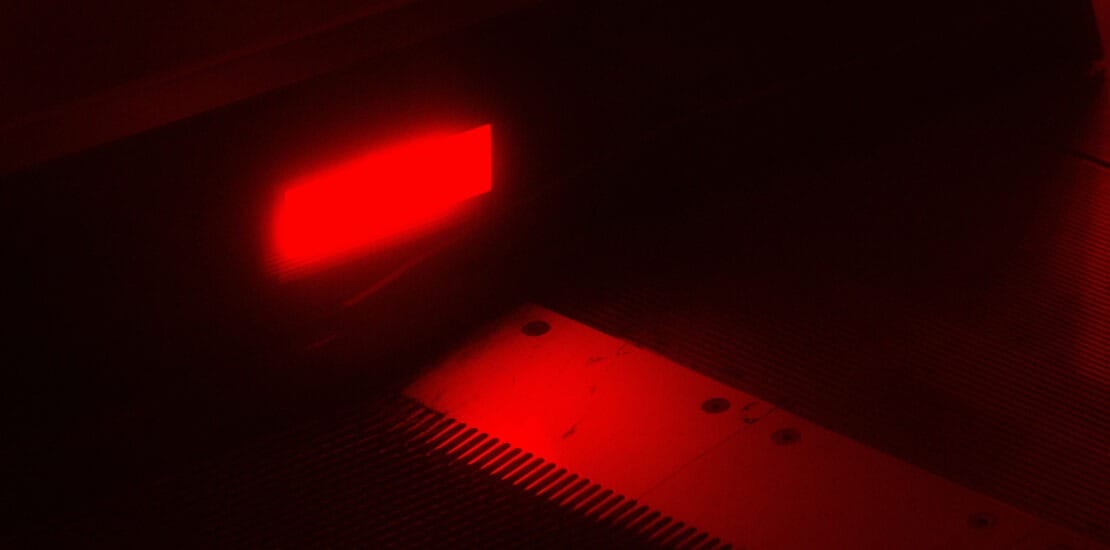
It’s cold, the house is getting chilly, and the last thing you want to see is a blinking red light on your furnace. That steady flash can trigger instant stress, but don’t panic. That little light isn’t just a vague warning; it’s a specific message your furnace is sending to tell you what’s wrong.
Think of it as a form of Morse code for your heating system. Instead of simply breaking down, modern furnaces diagnose their own problems and use that light to communicate a precise error. The answer to “what does a flashing furnace light mean?” isn’t one thing—it’s a whole language of codes, and many of them point to surprisingly simple fixes. In fact, HVAC technicians report that a significant number of service calls are for issues a homeowner could solve in minutes.
This guide walks you through a safe, step-by-step process, starting with the three most common problems that require no tools at all. Following these steps can often get your heat back on quickly and potentially save you the cost of a service call, which can easily exceed $150.
So, is a flashing furnace light an emergency? While a few codes do require immediate professional help, most do not. Our goal is to help you tell the difference, empowering you to handle the simple stuff yourself and know exactly when it’s time to pick up the phone.
First: Is a Flashing Furnace Light an Emergency?
It’s stressful to see, but a blinking light on its own is almost never an emergency. Think of it as a text message from your furnace, not a siren. The one true emergency sign you need to watch for is a distinct smell of rotten eggs or sulfur, which indicates a potential gas leak.
If you smell gas, your safety is the only priority.
- Don’t touch anything electric—not even light switches or your phone.
- Leave your home immediately.
- Call your gas company’s emergency line or 911 from a safe distance outside.
If there’s no rotten egg smell, you are not in immediate danger. The best first step is to perform a simple reset. Find the power switch (it looks like a standard light switch) on or near the furnace and flip it off. Wait one full minute, then turn it back on. This simple reboot can often clear a temporary glitch, much like restarting a computer.
The 3 Easiest Furnace Fixes to Try Before Opening Anything
If restarting your furnace didn’t solve the problem, don’t worry. Before you even think about what the blinks mean, let’s cover the three most common culprits behind a furnace blinking but not turning on. More than half of all furnace service calls are related to one of these simple issues.
Your first stop should be the thermostat. It sounds obvious, but a wrong setting can perfectly mimic a broken furnace. Make sure the system is set to HEAT (not COOL or OFF) and that the fan is set to AUTO, not ON.
A fan set to ON will blow air constantly, even when the furnace isn’t heating, making it feel like it’s broken. Finally, turn the temperature up at least 5 degrees higher than the current room temperature to ensure it’s actually calling for heat.
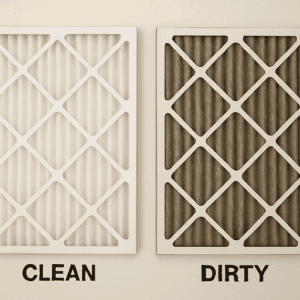
Next, check the air filter. A severely clogged filter is the top DIY furnace light fix for a reason. f you’re unsure whether yours is overdue, here’s a helpful breakdown of how often you should replace your furnace filter. Your furnace needs to pull in a massive amount of air to work safely. If the filter is choked with dust and debris, the furnace can’t breathe.
It will overheat and shut itself down as a safety precaution, triggering a blinking light. Pull the filter out and hold it up to a light. If you can’t see light through it, it’s long past due for a change.
Finally, take a quick walk outside to find the plastic vent pipes coming out of the side of your house. Your furnace has an intake pipe for fresh air and an exhaust pipe for fumes.
If either of these is blocked by a snowdrift, fallen leaves, or even an animal’s nest, the furnace will fail its safety check and refuse to start. Ensure both pipe openings are completely clear. If you’ve covered these bases and the light persists, it’s time to figure out what that code is telling you.
How to Be a “Codebreaker”: Reading Your Furnace’s Blinking Light
If you’ve checked the filter and vents with no luck, the next step is to play detective. That blinking light isn’t random; it’s a specific message, like Morse code for your furnace. Before you do anything else, just watch it.
A slow, steady blink is often a “heartbeat” indicating normal operation while on standby. It’s the faster, patterned blinks—like two flashes, a pause, then two more—that signal a specific error we need to investigate.
To translate these blinks, you’ll need the furnace’s “legend,” which is usually a sticker on the inside of the main service panel. First, for your safety, turn the power switch off—the one located on or right next to the furnace unit itself.
Most service panels on modern furnaces are simple doors that you can lift straight up and pull off. Once it’s removed, look on the back of that panel or just inside the furnace housing for a chart that lists “Diagnostic Codes” or “Status Codes.”
Now that you’ve found the chart, put the panel aside. Turn the power switch back on just long enough to carefully count the blink pattern one more time. Is it three blinks? A steady, fast flash?
Once you have the pattern, turn the power switch back off before doing anything else. Match the blink count you saw to the corresponding description on the chart. This simple act will tell you exactly what the furnace thinks is wrong, changing the problem from a mystery into a specific task.
Common “DIY” Codes: Fixing Flame Sensor and Blockage Issues
After matching your blink pattern to the chart, you might feel discouraged if you see a technical term like “Pressure Switch Failure.” But don’t be. This often isn’t a broken part, but another sign your furnace can’t “breathe” correctly.
Double-check the plastic intake and exhaust pipes you looked at earlier to ensure they are still completely clear of any blockages like snowdrifts, leaves, or animal nests.
For high-efficiency furnaces, there’s another common blockage point: the condensate drain line. This is a small PVC or flexible plastic tube that drains water away from your furnace.
If this tube gets clogged with gunk, the backed-up water will trip a safety switch and shut the furnace down, often giving a pressure switch error. Check the tube for kinks or blockages and clear it out if needed.
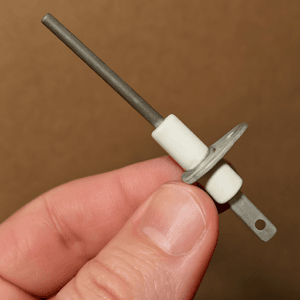
Another one of the most frequent codes points to an “Ignition Failure” or a problem with the flame sensor. This is a simple safety device—just a thin metal rod that sits in front of the burners.
Its only job is to confirm a flame is actually present after the gas turns on. Over time, this rod gets coated with residue and can’t “see” the fire, causing the furnace to shut down as a precaution. Cleaning it is one of the most common—and money-saving—DIY furnace fixes.
Ready to try it? Here’s how to safely clean your flame sensor:
- Turn all power to the furnace OFF at the nearby switch and the breaker.
- Locate the flame sensor. It’s a single metal rod with a porcelain base, held by one screw right in the path of the burners.
- Unscrew the sensor and gently pull it out.
- Lightly polish only the metal rod with a crisp dollar bill, a scuff pad, or a clean, rough cloth. Avoid sandpaper. You just want to remove the film, not scratch the metal.
- Carefully place the sensor back, secure the screw, and restore power.
If a blockage or dirty sensor was your issue, your furnace should now start up normally, saving you a service call. If it still shows an error, it’s time to look at problems that require a professional heating repair experts.
Furnace Codes That Mean “Stop and Call a Professional”
While some blink codes point to simple fixes, others are a clear signal to stop troubleshooting and pick up the phone. The most common of these is ignition lockout. Think of this as your furnace putting itself in a time-out.
It has tried to light the burners several times (usually three to five) and failed. To prevent a dangerous situation, like pumping unburnt gas into your home, it safely locks itself down until a professional can diagnose the root cause of the repeated failures.
Beyond a lockout, any error code that specifically mentions the gas valve or the control board is an immediate call for help. At that point, it’s best to schedule a professional furnace repair service to safely diagnose and resolve the issue. The control board is the furnace’s electronic brain, and the gas valve is the heart of the fuel system.
Due to the clear safety risks involved with gas and complex electronics, these are two components that are strictly off-limits for DIY repair.
Unlike a dirty sensor or a clogged drain line, these issues don’t stem from simple maintenance oversights. A lockout or a component error points to a more complex problem—a failing part that requires specialized diagnostic tools to identify and a licensed technician to safely replace. Trying to fix these yourself can turn a repairable issue into a much more expensive and dangerous one.
Recognizing these specific codes isn’t a sign of defeat; it’s a sign of a smart homeowner. You’ve successfully used the furnace’s own diagnostic system to determine that the problem requires an expert.
Now you can make an informed call for service, knowing exactly when your DIY journey should safely come to an end.
Your “When to Call a Pro” Final Checklist
Sometimes the blinking indicator light is only one piece of the puzzle. Your furnace’s sounds and behaviors are also critical clues. This checklist helps you identify clear-cut signs that it’s time to stop and call an HVAC technician. If you answer “yes” to any of these, it’s time to make the call:
- You smell gas. Stop immediately, leave the house, and call your gas company from a safe distance.
- You see a “Call a Pro” error code (like ignition lockout or gas valve failure).
- The furnace cycles on and off repeatedly but never stays on to heat your home.
- You hear loud banging, metallic scraping, or high-pitched squealing noises.
- You’ve tried the DIY fixes (like checking the filter and power) and the light is still blinking.
- You feel uncomfortable or unsafe performing any of the troubleshooting steps.
From Code-Breaker to Warm Home: Your Furnace Action Plan
That blinking red light no longer has to be a source of stress. Just a short while ago, it was a mysterious warning. Now, you recognize it for what it is: a message. You’ve transformed from a worried homeowner into a furnace codebreaker, capable of taking clear, logical steps to get your heat back on.
You have a plan. First, safety. Then, the simple checks that solve most problems. You know how to find and interpret the error codes on your furnace panel and can confidently tackle the most common issues yourself.
Even if you need a professional, your new knowledge is your most valuable tool. Instead of saying, “My furnace is broken,” you can now call with confidence: “Hi, my furnace is showing a 3-blink code. I’ve already confirmed the filter is clean and tried restarting the unit.” This simple statement saves time, helps the technician prepare, and shows you’re an informed partner in the repair.
Ultimately, you’ve learned when to call an HVAC technician and, more importantly, how to call them. That blinking light is no longer a signal of defeat. It is the first step on a clear path to solving the problem and bringing warmth back to your home.