
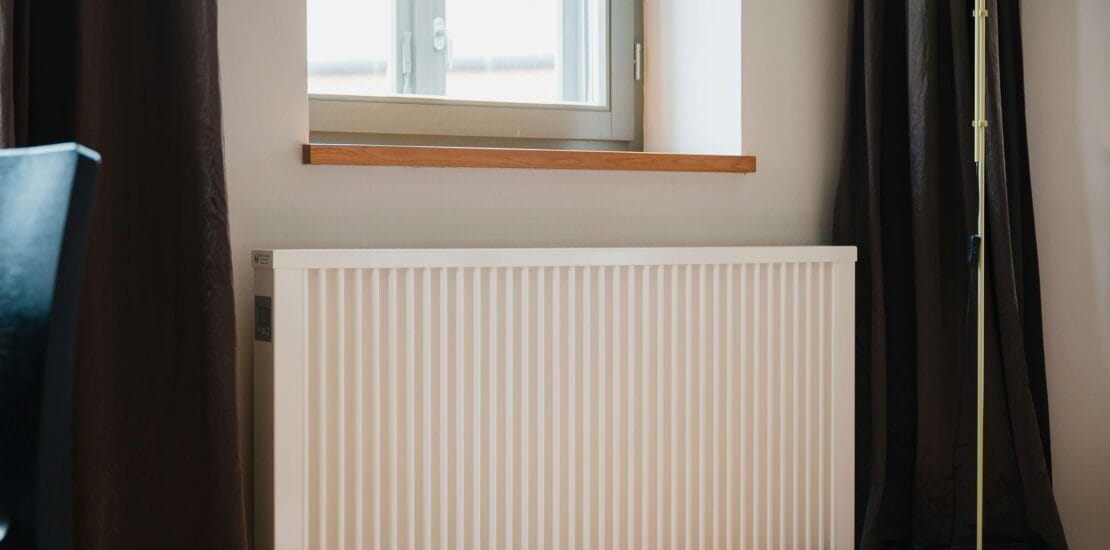
Heater not working in house? Troubleshoot & Fix Now
Why is my heat not working in my house?
There’s nothing quite like the chill of a cold house to make you realize that something is amiss with your heating system. When the winter months hit, a non-functional heating system can quickly turn your cozy home into an uncomfortable icebox. But why isn’t my heat kicking on?
Understanding the reasons why your heater is not working can save you time, money, and discomfort. By identifying the root cause of the issue, you can take the appropriate steps to resolve it, whether through simple troubleshooting or professional repair. This article will walk you through common issues and solutions for heating problems, empowering you to get your heat back on track.
This guide will help you understand why is my heater not working in my house and what steps you can take.
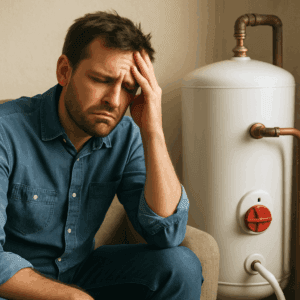
There are several reasons why your heat might not be turning on. These issues can range from simple fixes to more complex problems that require professional attention. Being aware of these common issues can help you diagnose the problem quickly and efficiently.
Below are the most frequent reasons heater not working issues occur.
Thermostat Issues
A common concern during winter is a home heater not working, which can quickly make indoor temperatures uncomfortable. The thermostat is the brain of your heating system. It communicates with the heater to ensure your home maintains the desired temperature. If it’s not working correctly, your heater won’t turn on, leaving you in the cold.
Incorrect Settings: Ensure your thermostat is set to heat and the temperature is set higher than the current room temperature. It’s easy to overlook this simple setting, especially if someone else in your household adjusted it without your knowledge. This is also one of the most common answers to the question why won’t my heat turn on.
Dead Batteries: Some thermostats use batteries. If these batteries are dead, the thermostat won’t work. Regularly check and replace batteries to avoid this issue, as fresh batteries can prevent unnecessary interruptions in heating.
Faulty Thermostat: If the settings are correct and the batteries are fine, you might have a faulty thermostat that needs replacement. Consider consulting with a professional to test its functionality or replace it if needed, ensuring your system receives the correct signals. Many homeowners experiencing this wonder why isn’t my heater working.
Power Problems
If your heater won’t turn on, check the power source. Your heating system relies on a steady power supply to function correctly, and any disruption can cause it to fail. Power interruptions are a very common cause of heat not turning on in a home.
Tripped Circuit Breaker: A tripped breaker is also a common cause of a heater not turning on in house situations. Your heating system needs electricity to operate. Check your circuit breaker to ensure it hasn’t tripped. A tripped breaker is often a sign of an overloaded circuit, which should be addressed to prevent future disruptions.
Blown Fuse: If your system uses fuses, a blown fuse can prevent the heater from working. Replacing a blown fuse is generally straightforward, but you should also investigate why the fuse blew in the first place to prevent recurrence. Another common issue homeowners experience is when the heater won’t turn on even though the thermostat settings appear correct.
Power Switch: Ensure the power switch on your furnace or heater is turned on. Sometimes, during cleaning or maintenance, the switch may be accidentally turned off, so verify it’s in the ‘on’ position.
Pilot Light or Ignition Issues
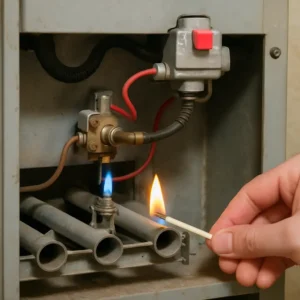
For gas heaters, the pilot light or electronic ignition system is crucial. Without a functioning ignition source, your heater cannot produce heat. When the heater won’t turn on, the pilot light or ignition is often to blame.
Pilot Light Out: If your heater uses a pilot light, it might have gone out. Relighting it may solve your problem. However, if the pilot light frequently goes out, it could indicate a more serious issue, such as a faulty thermocouple or gas valve.
Faulty Ignition System: Modern furnaces use an electronic ignition system. If this system fails, the heater won’t turn on. This might require professional inspection to diagnose issues like faulty components or electrical problems.
Filter and Airflow Problems
A clogged filter or blocked airflow can cause your heater to stop working. Proper airflow is essential for the efficient operation of your heating system. Restricted airflow is also a common reason people ask why won’t my heat kick on.
Dirty Air Filter: A dirty filter can restrict airflow, causing the heater to overheat and shut off. Regularly replacing filters can improve air quality and system efficiency, preventing unnecessary shutdowns.
Blocked Vents: Make sure vents are open and unobstructed by furniture or other items. Blocked vents can create pressure imbalances, leading to inefficient heating and increased energy consumption.
Fuel Supply Issues
For gas or oil heaters, issues with the fuel supply can be a problem. Without a steady supply of fuel, your heater cannot operate.
Gas Supply: Ensure your gas valve is open and the gas supply is not interrupted. Any interruption can prevent the heater from functioning, so verify connections and supply status.
Oil Supply: If you use an oil heater, check that there is enough oil in the tank. Running out of oil can cause your system to shut down, so keep an eye on oil levels and schedule regular deliveries.
Mechanical Failures
Sometimes, the problem is a mechanical failure within the heating system. These issues often require professional diagnosis and repair to ensure safe operation. Mechanical wear is often why the heater is not working in older systems.
Blower Motor Issues: If the blower motor is not working, air won’t circulate through your home. This can be due to electrical problems or mechanical wear, necessitating repair or replacement.
Broken Belts: In some systems, belts connect the motor to the blower. If a belt is broken, the heater won’t work. Regular inspection and maintenance can prevent belt failure and ensure consistent heating.
Worn Out Parts: Older heating systems may have worn-out components that need replacing. Parts like bearings, fans, and valves can degrade over time, impacting system performance.
What to Do If Your Heater Is Not Working
What to do if heater is not working is a common question, so here are steps that may help resolve the issue.
If your heat is not turning on, here are steps you can take to troubleshoot and possibly fix the issue. Being methodical can help you pinpoint the problem and determine whether it’s something you can resolve yourself or if you need professional help.
Questions like why is my heater not working in my house often arise when basic troubleshooting steps fail.
Step 1: Check the Thermostat
Start by checking your thermostat settings and functionality. A quick check can often resolve the issue without the need for further investigation.
Ensure it’s set to heat. A simple oversight can lead to an uncomfortable home.
Replace batteries if necessary. Fresh batteries ensure the thermostat can communicate with the heater.
Consider replacing the thermostat if it appears faulty. Investing in a reliable thermostat can prevent future issues and improve system efficiency.
Step 2: Inspect the Power Supply
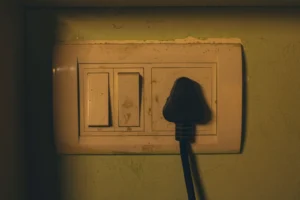
Photo by Parth Mishra on Unsplash
Check that your heating system is getting power. A lack of power is a common reason for heating system failure.
Reset any tripped circuit breakers. Restoring power can immediately solve the problem if a breaker was the issue.
Replace any blown fuses. Ensure the correct fuse type is used to prevent future outages.
Make sure the heater’s power switch is on. This simple step can save you from unnecessary troubleshooting.
Step 3: Examine the Pilot Light or Ignition System
For gas heaters, check the pilot light or ignition system. Without ignition, your heater cannot produce heat.
Relight the pilot light if it’s out. Follow safety procedures to ensure a safe relight.
If the pilot light won’t stay lit, it might be a sign of a faulty thermocouple. This component may need replacement to maintain a steady flame.
For electronic ignitions, consult a professional if you suspect a problem. Complex ignition issues often require expert diagnosis and repair.
Step 4: Replace or Clean the Air Filter
Ensure air can flow freely through your system. Good airflow is crucial for efficient heating and system longevity.
Replace dirty air filters. A clean filter promotes better air quality and system performance.
Clear any obstructions from vents and ducts. This can enhance airflow and prevent uneven heating in your home.
Step 5: Check the Fuel Supply
For gas or oil heaters, ensure the fuel supply is uninterrupted. A steady fuel supply is vital for continuous operation.
Verify the gas valve is open. A closed valve can halt system operation.
Check oil levels for oil-based heaters. Regular monitoring prevents unexpected shutdowns due to fuel depletion.
Step 6: Call a Professional
If you’ve tried these steps and your heater still won’t turn on, it’s time to call a professional. A qualified technician can diagnose and repair more complex issues, ensuring safe and efficient operation. Some of these problems may require professional heating repair.
When to Consider Heating System Replacement
While repairs can often solve heating issues, sometimes it’s more cost-effective to replace your system. Knowing when to invest in a new system can save you money and improve home comfort.
Signs It’s Time for a New Heater
- Age: Most heaters last 15-20 years. If yours is older, consider replacing it. Newer models offer improved efficiency and technology.
- Frequent Repairs: If you’re constantly fixing the heater, a new unit might be more economical. Frequent breakdowns can lead to mounting costs and unreliable performance.
- High Energy Bills: An inefficient system can cause energy bills to skyrocket. Upgrading to an energy-efficient model can reduce costs significantly.
- Uneven Heating: If certain areas of your home are always cold, it might be time for an upgrade. A new system can offer more consistent heating throughout your home.
Benefits of a New Heating System
- Improved energy efficiency: Modern systems use less energy, lowering your bills.
- More consistent heating: Enjoy even temperatures in every room.
- Lower maintenance costs: New systems require less frequent repairs.
- Enhanced comfort in your home: A reliable system provides peace of mind and a warm, comfortable living space.
If you find yourself asking why is my heat not working in my house, reviewing these common issues can help narrow down the cause.
Conclusion
Understanding why your heat is not working can help you resolve the issue and restore comfort to your home. Whether it’s a simple fix or requires professional intervention, knowing what to look for can save you time and stress. Keeping your heating system well-maintained can prevent many common problems, ensuring it operates efficiently when you need it most. If your heater is consistently problematic or nearing the end of its lifespan, consider the benefits of a new, more efficient system. Stay warm by being proactive with your heating maintenance and repairs. Many homeowners facing cold conditions often wonder why won’t my heat kick on, and this guide helps answer that.