
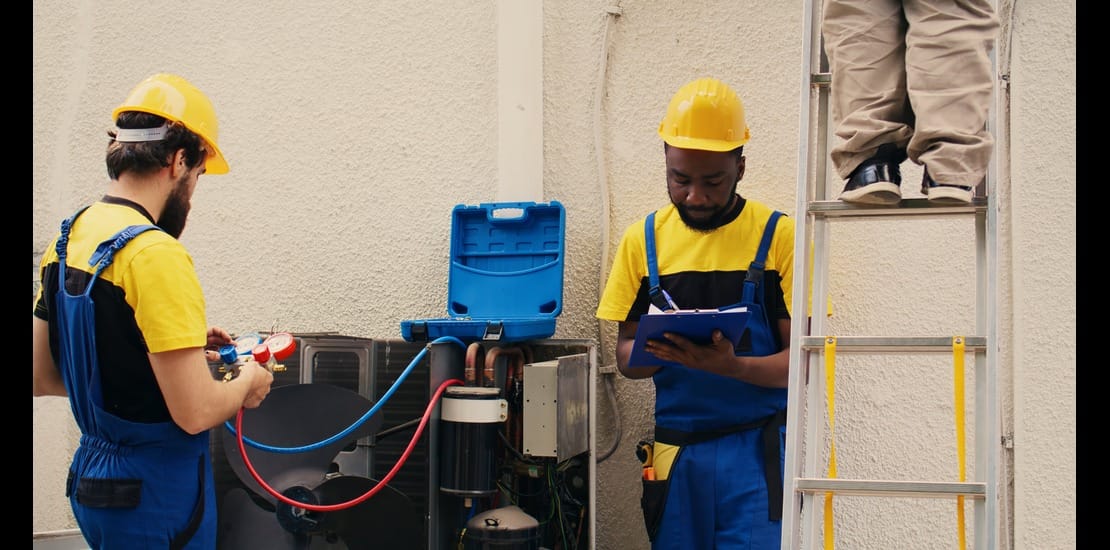
Heat Pump Not Heating: Troubleshoot and Fix Quickly
Heat pumps are a popular choice for home heating. They are efficient and versatile, providing both heating and cooling. However, they can sometimes fail to heat properly.
When your heat pump is not heating, it can be frustrating. You might find your home colder than expected. Understanding the reasons behind this can help you fix the issue.
Common problems include incorrect thermostat settings or dirty air filters. These can easily be checked and resolved. More complex issues might require professional help.
This guide will walk you through troubleshooting steps. You’ll learn how to identify and fix common heat pump heating problems.
Common Reasons Your Heat Pump Is Not Heating
A heat pump not heating can be caused by several factors. Identifying these reasons is the first step in solving the problem. Let’s explore the common causes that might be affecting your heat pump’s performance.
One common issue is incorrect thermostat settings. A misconfigured thermostat can prevent the heat pump from reaching the desired temperature. Ensure it’s set to “heat” mode and not “cool.”
Dirty air filters can also obstruct airflow. This makes it hard for your heat pump to operate efficiently. Regularly check and replace these filters.
Another potential issue is low refrigerant levels. Without enough refrigerant, a heat pump cannot transfer heat properly. This can lead to inadequate heating.
Here’s a quick checklist of common reasons:
- Incorrect thermostat settings
- Dirty or clogged air filters
- Low refrigerant levels
- Ice buildup on the outdoor unit
- Faulty components
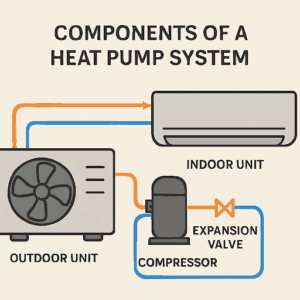
Lastly, electrical issues could disrupt the heat pump’s function. Blown fuses or tripped breakers should be checked and replaced if necessary. Addressing these common problems can often restore proper heating.
Step-by-Step Troubleshooting Guide
Troubleshooting your heat pump might seem daunting, but it’s manageable. By following a systematic approach, you can identify and fix many common problems. Here’s a clear guide to help you through the process.
Firstly, you’ll want to check the thermostat settings. This device controls the entire heating operation. A simple misconfiguration can disrupt the system’s efficiency.
Next, inspect the air filters for any dirt or blockages. Regularly replacing these ensures optimal airflow. Good airflow is key to maintaining a warm home.
Then, examine the outdoor unit for ice buildup. Ice or debris can severely impact your heat pump’s performance. Clearing these obstructions is essential for proper heating.
Moving forward, assess the electrical components. Faulty electrical parts can lead to operation failures. Fuses and breakers should be in good condition.
Also, evaluate refrigerant levels. Low refrigerant can hinder heat transfer and lead to insufficient heating. This issue often requires professional assistance.
Finally, review the auxiliary and emergency heat functions. These systems help during extremely cold weather. Ensure they’re functioning when needed.
Here’s a quick summary of the steps:
- Check thermostat settings
- Inspect air filters
- Examine the outdoor unit
- Assess electrical components
- Evaluate refrigerant levels
- Review auxiliary functions
By following these steps, you should be able to resolve most minor issues. For complex problems, contacting a professional is advisable.
1. Check Thermostat Settings and Calibration
The thermostat is crucial in regulating your heat pump’s function. Check that it’s set to “heat” mode. Incorrect settings can prevent effective heating, especially in colder months, so reviewing your optimal winter thermostat settings can quickly resolve the issue
Calibration is also important. An incorrect calibration can mislead the thermostat, causing inefficiencies. Ensure it’s set to match your desired temperature settings.
Here’s a checklist for thermostat troubleshooting:
- Verify it’s on “heat” mode
- Check the temperature setting
- Inspect for calibration errors
If problems persist, consider replacing the thermostat. Sometimes, a new, modern thermostat can significantly enhance heating efficiency.
2. Inspect Air Filters and Airflow
Air filters must be clean for your system to work well. Dirty filters block airflow, making it harder for the heat pump to distribute warm air.
Begin by inspecting the filters. If they’re clogged, replace them immediately. Regular replacement is vital for maintaining efficiency.
Check the airflow throughout your home. Ensure vents are open and unobstructed. This promotes the balanced distribution of warm air.
Consider the following when inspecting filters:
- Inspect filter condition
- Replace if dirty or clogged
- Ensure vents are unobstructed
by Bùi Hoàng Long (https://unsplash.com/@dxaxoxfz)
Keeping air filters clean is a simple yet effective way to prevent heating issues. Regular maintenance promotes consistent and efficient heating.
3. Examine the Outdoor Unit for Ice, Debris, or Blockages
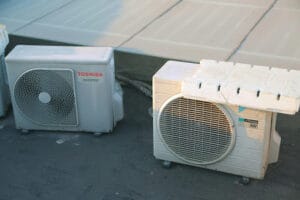
The outdoor unit should be free of obstructions. Ice and debris can cause significant heating issues, often pointing to underlying heat pump fan issues that restrict proper airflow.
Regular inspection is vital to clear any buildup. Use a soft brush to gently remove debris and foliage. Do not use sharp objects that might damage the unit.
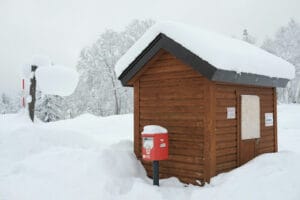
Ice on the unit can also be concerning. It usually signals a defrost problem. Keeping it clear ensures your heat pump functions efficiently.
Checklist for outdoor unit inspection:
- Remove debris and foliage
- Clear ice buildup carefully
- Ensure the unit is on level ground
by Dominic Kurniawan Suryaputra (https://unsplash.com/@d_ks11)
Regular outdoor unit inspections enhance longevity and performance. Catching these issues early can prevent more significant problems.
4. Assess Electrical Components and Power Supply
Electric components are crucial to your heat pump’s performance. Issues here can stop heating altogether. Begin by examining circuit breakers and fuses.
Make sure all breakers are on. Replace blown fuses to restore power. Loose or exposed wiring can be hazardous, requiring immediate attention.
Consider the following steps:
- Check circuit breakers
- Replace blown fuses
- Inspect wiring for damage
Routine electrical checks can prevent outages. Address any issues promptly to maintain consistent heating.
5. Evaluate Refrigerant Levels and Leaks
Refrigerant issues can severely impair heating. Low levels affect your heat pump’s ability to transfer heat.
A leak is often the culprit. Inspect lines for any visible leaks, but remember that refrigerant handling should be done by a professional.
Regular checks can help spot potential problems. If refrigerant levels are low, contacting a certified technician is vital.
Here’s what to do:
- Check for visible leaks
- Monitor refrigerant levels
- Contact professionals for handling
Keeping refrigerant levels adequate ensures your system runs smoothly and heats effectively.
6. Review Auxiliary and Emergency Heat Functions
Auxiliary heat provides extra warmth during severe cold. It’s essential to ensure these settings are properly configured.
Regularly test these functions. They should activate automatically if temperatures drop too low. If they don’t, there may be an issue with your system.
Evaluate these aspects:
- Test auxiliary settings
- Ensure automatic activation
- Review system manual
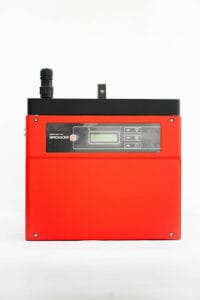
by Jonathan Castañeda (https://unsplash.com/@jonathecreator)
Auxiliary heat is crucial in maintaining warmth during cold spells. Verify it works efficiently to avoid unexpected cold spells indoors.
Special Considerations: Heat Pump Not Heating in Cold Weather
Heat pumps can struggle in cold temperatures. They work best in mild climates but need help in extreme cold.
When temperatures drop significantly, heat pumps may not heat enough. The auxiliary heat should kick in to compensate. If it doesn’t, there could be an issue.
Cold weather can also cause ice to form on the unit. This affects performance and can halt heating. Regularly clearing ice is crucial.
Proper insulation helps improve efficiency in cold weather. Ensure your home is well insulated to minimize heat loss.
Here are considerations for cold weather:
- Rely on auxiliary heating
- Clear ice regularly
- Improve home insulation
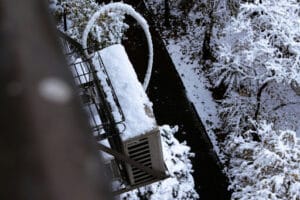
by yebin kim (https://unsplash.com/@kimyebin)
Even in cold weather, your heat pump should keep your home warm. Address these factors to enhance performance in lower temperatures.
When to Call a Professional HVAC Technician
Sometimes, heat pump issues require help professional heat pump repair experts. Complex problems often need an expert’s touch to identify and fix them.
If basic troubleshooting doesn’t work, call an HVAC technician. They have the tools and experience to diagnose and correct major issues.
Consider professional help in these situations:
- Persistent or unresolved problems
- Strange noises or smells
- Inconsistent heating performance
Regular professional inspections ensure your heat pump works efficiently. A technician can provide valuable insights and maintenance tips for your system.
Preventive Maintenance Tips for Reliable Heat Pump Heating
Regular maintenance can prevent many common heat pump problems. It ensures that your system operates efficiently throughout the year.
Here are some essential maintenance tips:
- Change air filters regularly: Check monthly and replace as needed.
- Clean the outdoor unit: Remove debris and ensure adequate airflow.
- Inspect ductwork: Check for leaks and repair any detected.
Implementing these simple steps can extend the life of your heat pump. They ensure it heats effectively, reducing the likelihood of breakdowns.
Frequently Asked Questions About Heat Pump Heating Issues
Homeowners often have questions about their heat pumps. Here, we answer some common concerns.
Why is my heat pump not heating enough?
Several factors could be at play, including thermostat settings and airflow issues. Always check these first.
Can a heat pump work in extreme cold?
Heat pumps can struggle in frigid temperatures. A supplemental heat source might be necessary during such times.
How often should I maintain my heat pump?
Regular inspections every year by a professional are recommended. Also, monthly checks for air filters and debris are crucial.
Additional Points:
- Consider the age of your heat pump.
- Ensure proper installation and setup.
- Monitor energy bills for unusual spikes.