
Why Is My Heater Blowing Cold Air? Troubleshoot Now
Is your heater blowing cold air instead of keeping you warm? This can be frustrating, especially during chilly months.
Many homeowners ask questions like ‘why is my HVAC blowing cold air?’ or ‘why is my heat blowing cold air in my house?’ when their system suddenly stops warming the home.
Understanding why your heater is blowing cold air is crucial. It helps you identify the problem and find a solution.
Several factors can cause this issue. It might be a simple thermostat setting or a more complex mechanical problem.
In this guide, we’ll explore common reasons for heaters blowing cold air. We’ll also provide steps to diagnose and fix these issues.
Whether you have a gas furnace, electric heater, or heat pump, this article will help. You’ll learn how to troubleshoot and when to call a professional.
Stay warm and comfortable by addressing these heating problems effectively.
Common Reasons Your Heater Is Blowing Cold Air
Several issues can cause your heater to blow cold air. Identifying the root of the problem is the first step to resolving it.
One common reason is incorrect thermostat settings. If you’re wondering ‘why does my heat feel like cold air’ or ‘why is cool air coming out when the heater is on?’ thermostat mistakes are often a simple explanation. Ensure your thermostat is set to “heat” rather than “cool.”
Airflow problems like dirty filters can restrict heat flow. Regular filter replacement is key to maintaining warm air circulation.
Gas furnaces may have pilot light issues. If it’s out, your furnace won’t produce heat as expected.
Electric furnaces face unique problems, such as tripped breakers. Always check your electrical panel for issues.
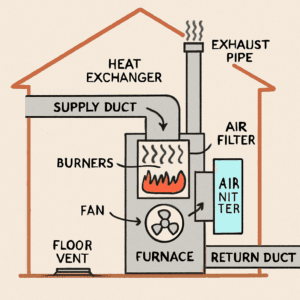
Reasons Your Heater Blows Cold:
- Thermostat is incorrectly set or malfunctioning.
- Air filters are dirty or clogged.
- Pilot light in gas furnaces is out.
- Electric furnace circuit is tripped.
- Ductwork has leaks or disconnections.
Understanding these common problems can save you time and money. With a few checks, you might resolve the issue without professional help. However, never hesitate to call an HVAC technician if needed, to ensure safe and effective operation.
Thermostat Issues: Settings and Malfunctions
Thermostats play a vital role in heating systems. Incorrect settings often cause unexpected cold air flow.
Ensure the thermostat is switched to “heat” mode. Sometimes, it can be mistakenly set to “cool.”
Check the fan setting as well. It should be on “auto” instead of “on” to prevent continuous air circulation without heat. In many cases, homeowners asking ‘why is my heat blowing cold?’ discover the fan was set to the wrong mode.
Thermostat malfunctions also cause cold air issues. Age or a faulty sensor may produce inaccurate temperature readings.
Consider upgrading an outdated thermostat. A new model, like a programmable thermostat, can offer better control.
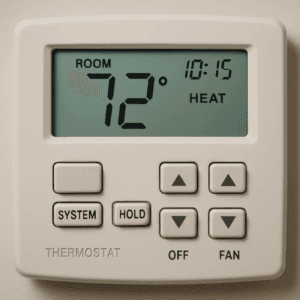
Signs of Thermostat Issues:
- Incorrect mode settings.
- Fan setting always on.
- Inconsistent temperature readings.
- Outdated model.
- Battery or sensor malfunction.
If these checks don’t resolve the issue, inspect the thermostat wiring. Damaged wiring may disrupt the heating commands. Addressing thermostat problems can often restore your heater’s proper function and comfort levels indoors.
Airflow Problems: Filters, Vents, and Ductwork
Airflow issues can cause your heater to blow cold air. This often leads people to think their home heater is blowing cold air even though the main issue is restricted airflow due to dirty air filter.
Clogged filters restrict airflow, leading to overheating and safety shutdowns. Check and replace filters every few months.
Blocked vents are another issue. Ensure vents are open and free from obstructions like furniture or curtains.
Ductwork problems can also result in airflow issues. Leaks or disconnections in ducts let warm air escape, causing cold air to blow.
Inspect the ductwork for visible damage. Listen for whistling sounds, a sign of leaks.
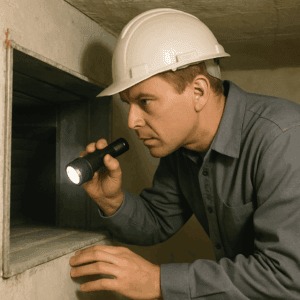
Signs of Airflow Problems:
- Dirty or old air filters.
- Blocked or closed vents.
- Visible duct damage.
- Unusual noise from ducts.
- Insufficient air pressure.
Proper airflow ensures efficient heating. Maintaining clean filters and checking ducts and vents can improve performance.
If issues persist, consider professional help to find and fix complex ductwork problems. Regular maintenance can prevent these issues and keep your home warm.
Gas Furnace Troubles: Pilot Light, Gas Supply, and Ignition
Many homeowners experiencing gas furnace issues often ask, “why is my gas heater blowing cold air?”, “why is my gas furnace blowing cold air?”, or even why their gas furnace is blowing cold air during winter months.
Gas furnaces require several components to function correctly. One such component is the pilot light. If your pilot light is out, your furnace won’t produce heat. This is one of the most common reasons people think, “why does my furnace blow cold air?” or assume their furnace is only blowing cold air.
Check if the pilot light is lit. Relight it if necessary, following your furnace’s manual instructions.
Gas supply issues are another common reason why your furnace blows cold air. When the gas valve is shut or malfunctioning, it often leads homeowners to wonder, “why is my furnace blowing cold air?” or why their gas heater is blowing cold air instead of warming the home. Ensure the gas valve is open. Closed valves prevent gas flow and heat production.
Ignition system problems can also prevent heating. A faulty ignition system results in incomplete combustion, leaving you with cold air. Ignition failure is another frequent cause behind searches like “why is my gas heater blowing cold air” or “furnace blowing cold air” when the system attempts to start but never fully ignites.
Inspect the ignition system, looking for visible damage or wear. Often, a simple cleaning can restore function.
Key Gas Furnace Troubles:
- Extinguished or weak pilot light.
- Gas valve closed or malfunctioning.
- Faulty ignition system.
- Damaged or obstructed burners.
- Yellow pilot flame indicating contaminants.
Regular inspection of your gas furnace can catch issues early. All of these issues—pilot light failure, gas supply blockage, or ignition malfunction—can explain why your gas furnace is blowing cold air and why the heat suddenly stops working.Clean burners and relight the pilot light for a warm and efficient home.
If you find persistent problems, it might be best to consult an HVAC professional. They can diagnose and fix complex issues safely.
Electric Furnace and Heat Pump Problems
Electric furnaces and heat pumps can also experience issues that cause cold air. One common issue is a tripped circuit breaker. This is one of the most frequent reasons people search for ‘why is my electric furnace blowing cold air’ or why a home heater blowing cold air (electric) seems to stop producing heat. Because tripped circuit breaker stops power to your furnace and results in no heat.
Check your circuit breaker panel to see if any breakers are tripped. Resetting them might restore power and warmth.
Heat pumps can suffer from low refrigerant levels, leading to cool air instead of heat. Refrigerant is critical for absorbing and transferring heat effectively.
Another problem is a frozen outdoor unit. This can cause a heat pump to blow cold air. Clear any debris or ice to help it function properly.
Common Electric Furnace and Heat Pump Issues:
- Tripped or blown circuit breakers.
- Low refrigerant levels in heat pumps.
- Frozen or blocked outdoor units.
- Faulty reversing valve in heat pumps.
- Malfunctioning thermostat control.
Regular maintenance can prevent many of these issues. Remove debris and ice, and have refrigerant levels checked to keep your system running efficiently.
If problems persist, consider contacting a professional. A qualified technician can safely handle refrigerants and other complex elements.
HVAC System and Component Failures
Sometimes, the issue isn’t just your heater but the entire HVAC system. In these cases, people often report their HVAC heater blowing cold air or ask ‘why is my central heat blowing cold air?’ even though the problem lies deeper in the system.
Components can wear out, causing inefficiencies. Regular inspections can identify these issues early and avoid cold air problems.
A faulty blower motor might fail to distribute air properly. This leads to inadequate heating. Listen for unusual noises, which can indicate blower issues.
Issues with the fan limit switch could also cause cold air. This switch regulates fan operation and prevents overheating. When it malfunctions, it may cause improper fan cycling.
Ductwork problems like leaks or disconnections can lead to significant heat loss. This is because the warm air escapes before it reaches the intended rooms.
Common HVAC Component Failures:
- Malfunctioning blower motors.
- Faulty fan limit switches.
- Leaky or disconnected ductwork.
- Blocked or dirty condensate lines.
- Faulty sensors or control modules.
It’s crucial to address these concerns promptly. Doing so ensures that your system runs efficiently and keeps your home warm during cold months.
Routine maintenance and inspections will help identify these issues early. This prevents more extensive damage and ensures optimal HVAC performance year-round.
What to Check Before Calling a Professional
Before you reach out for professional help, some preliminary checks can be valuable. These can save time and potentially avoid unnecessary expenses.
Firstly, review your thermostat settings. Ensure it is set to “heat” and the fan is set to “auto.” Incorrect settings are a common cause of cold air issues.
Secondly, inspect your heater’s air filter. A dirty filter restricts airflow, resulting in cold air blowing out. Replace it if necessary to restore proper function.
Additionally, verify that all vents and registers are open and unobstructed. Closed vents impede airflow, which can make the heater seem inefficient.
Quick Checklist:
- Verify thermostat settings.
- Check and replace the air filter.
- Ensure vents and registers are open.
- Inspect for tripped circuit breakers.
- Look for visible signs of damage or blockages.
By performing these simple checks, you may quickly resolve the cold air issue without needing a technician.
When to Call an HVAC Technician
There are times when you need a professional. If your heater continues to blow cold air despite your efforts, it’s time to call in an expert. Some problems are too complex or dangerous for homeowners to handle alone.
Safety and efficiency should always come first. Certain issues, such as faulty gas valves or electrical faults, require specialized tools and knowledge. Attempting repairs without the necessary expertise could worsen the problem or pose safety risks.
Consider Hiring a Technician If:
- There is no improvement after basic checks.
- You notice odd smells or sounds.
- The system consistently shuts off unexpectedly.
- Your heating unit is old or seems damaged.
Calling an HVAC technician ensures a thorough inspection. It also provides professional solutions, ensuring your system operates efficiently and safely.
Preventing Future Heating Problems
Avoiding heater issues saves time, stress, and money. Regular maintenance is key to a trouble-free heating system. Simple steps can make a big difference in performance.
Scheduling annual tune-ups is a proactive measure. A professional can detect potential issues early. This ensures your system runs efficiently all season long.
Simple Maintenance Tips:
- Replace air filters every few months.
- Keep vents and registers clear of obstructions.
- Regularly check your thermostat settings and batteries.
Consistent care prevents many common problems. By maintaining your heating system, you extend its lifespan, ensuring it operates safely and effectively.
Frequently Asked Questions
Many people wonder, why does my heater blow cold air sometimes? This can happen when your thermostat isn’t working properly or the heater is cycling off. Understanding your system’s normal operation helps identify when something’s wrong.
Why is cool air coming out when the heater is on? Often, this points to airflow issues, like blocked vents or dirty filters. Addressing these simple concerns might resolve the problem quickly.
Questions like ‘why is my heater blowing cool air?’ or ‘why does my heat feel like cold air?’ are extremely common and usually tied to basic issues.
Quick Fix Questions:
- Is your thermostat set to “heat”?
- Have you checked for blown fuses or tripped breakers?
- Are your air filters clean and in place?
If your system still isn’t heating correctly, it may be time to call in a professional. Remember, regular maintenance can help prevent many common heating issues.