
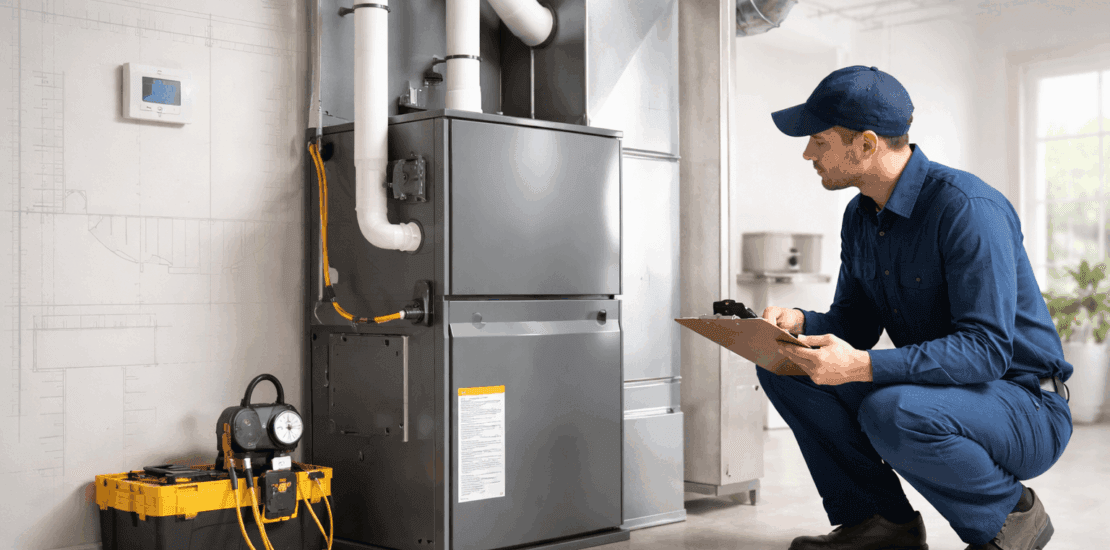
What Size Furnace Do I Need? (BTU Guide for Your Home)
Choosing the right furnace size is crucial for home comfort and energy efficiency. A furnace that’s too large or too small can lead to problems.
Understanding BTUs, or British Thermal Units, is key to making the right choice. BTUs measure the heat output of a furnace.
The size of your home, climate, and insulation quality all affect the BTU requirement. These factors help determine the ideal furnace size.
Selecting the correct furnace size ensures optimal performance and cost savings. It also enhances your home’s comfort and energy efficiency.
This guide will help you understand furnace sizing and make an informed decision.
Understanding Furnace Sizing: BTUs and Why They Matter
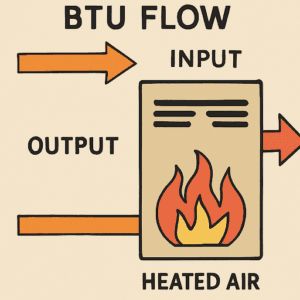
BTUs, or British Thermal Units, are crucial in furnace sizing. They measure the heat energy a furnace can produce. Knowing the BTU capacity helps in selecting a furnace suitable for your home.
Choosing the correct BTU output can drastically improve comfort and efficiency. An undersized furnace struggles to heat a space adequately, wasting energy. An oversized furnace may cycle on and off too frequently, leading to potential wear.
Key considerations for choosing the right BTU:
- Home size
- Climate zone
- Insulation levels
Each factor plays a role in determining the ideal furnace size. The balance ensures consistent heating without excess energy use.
Understanding BTUs and these factors will help you make an informed decision. A properly sized furnace supports optimal home comfort and energy savings.
Key Factors That Affect Furnace Size
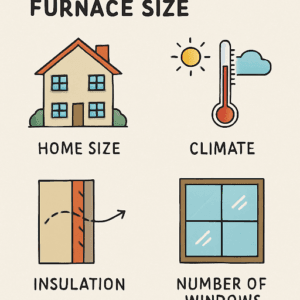
Choosing the right furnace involves more than just looking at BTUs. Several elements influence the ideal size. These factors ensure your furnace operates efficiently and meets your home’s heating needs.
Climate plays a significant role. Colder regions demand higher BTU furnaces. On the other hand, milder climates require less heating power.
Insulation quality also affects furnace size. Well-insulated homes retain heat better. This reduces the demand on your furnace.
Consider the house’s age and design. Older homes might need larger furnaces due to less efficient construction materials.
Ductwork quality can impact heat distribution. Poor ductwork may increase the required furnace size.
Key factors to assess include:
- Climate zone
- Insulation quality
- Home age and layout
- Ductwork efficiency
Consulting a professional can help factor these elements into your furnace choice.
Climate Zone and Location
Climate significantly influences furnace sizing decisions. Homes in cold climates need more powerful heating. On the contrary, homes in warmer climates do not require as many BTUs.
A general guideline for BTU needs:
- Cold regions: 45–60 BTUs per square foot
- Moderate regions: 30–45 BTUs per square foot
- Warm regions: 20–30 BTUs per square foot
Assessing these factors helps tailor your furnace to your region’s specific demands. Understanding this can lead to enhanced comfort and efficiency.
Home Insulation and Construction
The quality of a home’s insulation plays a critical role in furnace sizing. Effective insulation means your home maintains heat better. Consequently, this reduces the furnace’s workload.
Homes with poor insulation require larger furnaces. They need more energy to maintain a comfortable temperature.
Consider these when evaluating insulation:
- Type and thickness of insulation
- Weatherstripping and sealing
- Attic and wall insulation levels
Upgrading insulation can often lead to smaller, more efficient furnace needs. Proper insulation makes heating more efficient and cost-effective.
Windows, Doors, and Ceiling Height
Windows, doors, and ceiling height greatly influence your home’s heating needs. Poorly insulated windows and doors can leak heat. This increases the furnace’s load.
Ceiling height impacts air volume needing heating. Taller ceilings mean more space for a furnace to heat.
When assessing these structural elements:
- Check window and door seals
- Note ceiling heights
- Consider double glazing
Addressing these can optimize heating efficiency. Simple upgrades can allow for a smaller, more efficient furnace.
Furnace Sizing by Square Footage (BTU Chart)
Determining the right furnace size often starts with the home’s square footage. Each house has unique heating requirements. Square footage helps estimate BTU needs efficiently.
Generally, homes require between 30 to 60 BTUs per square foot. This range varies based on location and construction factors. Properly sizing your furnace avoids inefficiency.
A BTU chart provides a quick reference. It simplifies determining the appropriate furnace size. Ensure you adjust for your climate and home specifics.
Here’s a sample BTU chart for easy reference:
- Under 1500 sq ft: 45,000 – 90,000 BTUs
- 1500 – 2000 sq ft: 60,000 – 120,000 BTUs
- 2000 – 2500 sq ft: 75,000 – 150,000 BTUs
Consult a professional for precise recommendations. They consider additional factors that might affect BTU needs.

by Kelly Sikkema (https://unsplash.com/@kellysikkema)
What Size Furnace Do I Need for 1100, 1200, 1300, 1400, 1500, 2000, and 2500 Sq Ft?
Sizing by exact square footage refines the estimate. Tailor your choice to specific home needs. Here are some guidelines:
For 1100 sq ft, aim for 33,000 to 66,000 BTUs.
For 1200 sq ft, look at 36,000 to 72,000 BTUs.
For 1300 sq ft, consider 39,000 to 78,000 BTUs.
For 1400 sq ft, target 42,000 to 84,000 BTUs.
For 1500 sq ft, opt for 45,000 to 90,000 BTUs.
For 2000 sq ft, focus on 60,000 to 120,000 BTUs.
For 2500 sq ft, choose 75,000 to 150,000 BTUs.
These ranges help guide your selection process. Adjust according to specific building conditions for optimal efficiency.
by Egor Komarov (https://unsplash.com/@egorkomarov)
What Size Electric Furnace Do I Need?
Electric furnaces differ from gas models in sizing considerations. They often need more precise calculations for optimal performance. Electric systems might require specific adjustments.
The basic approach to sizing remains similar. Consider square footage and calculate BTU requirements accordingly. However, also account for electric furnace efficiency, which differs.
Here’s a quick guide for electric furnaces:
- Under 1500 sq ft: 50,000 to 90,000 BTUs
- 1500 – 2000 sq ft: 65,000 to 125,000 BTUs
- 2000 – 2500 sq ft: 80,000 to 160,000 BTUs
Consult an HVAC professional for exact sizing based on local conditions and electric furnace specifications. Their expertise ensures you choose the most efficient setup.
What Happens If Your Furnace Is Too Big or Too Small?
Choosing the wrong furnace size can impact comfort and efficiency. An oversized furnace might heat the home too quickly. This causes it to cycle on and off frequently, wasting energy and increasing costs.
Conversely, an undersized furnace may struggle to maintain desired temperatures. This leads to continuous operation, higher energy bills, and insufficient heating during colder months. If your system is running but not heating properly, here’s what to check if your heater is blowing cold air.
Potential consequences of incorrect sizing include:
- Increased energy consumption
- Higher operating costs
- Discomfort in maintaining home temperature
- Reduced furnace lifespan due to wear and tear
Proper sizing is crucial for energy-efficient and reliable home heating. Consulting professionals furnace repair and installation can help ensure you choose the right size. Their expertise ensures consistent heating without unnecessary expenses.
How to Calculate the Right Furnace Size for Your Home
Calculating the right furnace size involves more than just square footage. You need to factor in climate, insulation, and home design. A basic calculation starts with understanding BTU requirements per square foot.
Generally, homeowners use a range of 30 to 60 BTUs per square foot. Your local climate plays a significant role in selecting where you fall in this range. Cooler regions usually need more BTUs compared to milder climates.
Here’s a simple guide for BTU calculations:
- Estimate the square footage of your home
- Determine BTUs needed per square foot based on climate
- Multiply total square footage by BTUs per square foot
For precise results, consider factors like home layout and construction. Consult a professional HVAC contractor for a detailed assessment. They can provide a more accurate furnace size requirement tailored to your specific needs.
Other Important Considerations: Efficiency, Filters, and Professional Help
When choosing a furnace, efficiency is key. Look for units with high AFUE ratings for better energy savings and performance. A more efficient furnace costs less to run and reduces your carbon footprint.
Don’t overlook furnace filters. Selecting the right size ensures optimal air quality and furnace function. Replace filters regularly to maintain efficiency and avoid strain on the system.
Getting professional help can be invaluable. HVAC specialists offer expert advice on choosing and installing the right furnace. Their insights can optimize efficiency and longevity.
Consider these important aspects:
- Furnace efficiency (AFUE ratings)
- Proper filter selection and maintenance
- Consultation with HVAC professionals
Frequently Asked Questions About Furnace Sizing
Many wonder, “How do I know what size furnace I need?” Start by considering your home’s square footage and climate.
People often ask about electric furnaces, too. “What size electric furnace do I need?” Factors are similar to gas furnaces but include electrical compatibility.
Another common query is about furnace filters. “What size furnace filter do I need?” is crucial for maintaining efficiency and air quality.
Here’s a quick recap of common concerns:
- Furnace size and square footage
- Electric furnace sizing specifics
- Filter dimensions and maintenance
Conclusion: Making the Best Choice for Your Home
Selecting the right furnace size is crucial. It impacts comfort and energy bills. An appropriately sized furnace ensures efficient heating, reducing waste.
Consider all factors like square footage, insulation, and climate. They are vital for determining your heating needs. Consulting with an HVAC professional can provide valuable insights.
Investing time in research will pay off in the long run. A well-chosen furnace offers warmth and efficiency, enhancing your home’s comfort.