
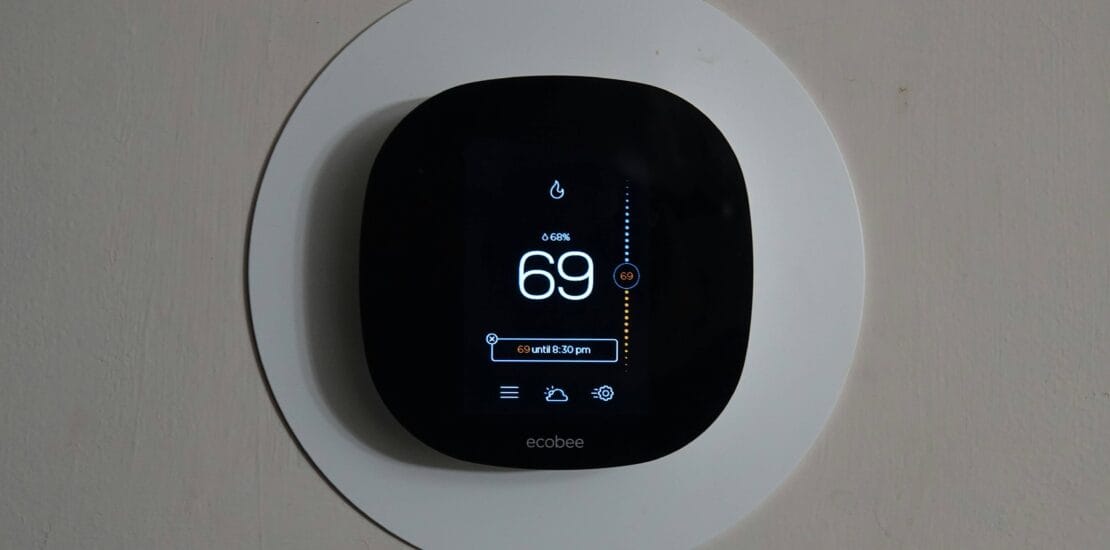
What is em heat on a thermostat?
What is EM heat on a thermostat? This guide explains how emergency heat works, when to use it, and why it matters for heat pump systems. When you glance at your thermostat during the chilly winter months, you might notice a setting labeled “EM Heat.” This stands for “Emergency Heat,” and it’s an important feature of heat pump systems. Understanding what EM Heat is and when to use it can ensure your home stays warm when you need it most. In this article, we’ll explore what EM Heat is, how it works, and when it’s appropriate to use it.
Understanding EM Heat
Many homeowners ask what is EM heat, what does EM heat mean, and what does EM heat mean on a thermostat. EM Heat stands for Emergency Heat and is designed to act as a backup heating source in heat pump systems.
What is Emergency Heat?
EM Heat, or Emergency Heat, is a backup heating system that is part of a heat pump setup. Heat pumps are efficient systems that transfer heat from the outside air into your home. However, when temperatures drop significantly, heat pumps may struggle to extract enough heat from the cold air. This is where EM Heat comes in.
Emergency Heat uses a secondary heating source, typically electric resistance heaters or a gas furnace, to provide additional warmth. This ensures your home remains comfortable even when the heat pump alone cannot keep up with the demand. In simple terms, what does emergency heat do? It provides direct heat when the heat pump cannot keep up or is not working, which explains what is emergency heat on a thermostat.
How Does EM Heat Work?
In a standard heat pump system, the heat pump extracts heat from the outside air and transfers it indoors. This is an energy-efficient process that works well in moderate climates. However, when the outdoor temperature falls too low, the heat pump’s efficiency decreases.
When you switch to EM Heat, the system bypasses the heat pump and activates the secondary heating source. This can be more expensive to operate because electric resistance heaters consume more energy, and running a gas furnace can also increase costs. Therefore, EM Heat should only be used when necessary. Some thermostats label this function as EMH on thermostat, so homeowners may wonder what is EMH on a thermostat—it refers to the same Emergency Heat feature.
When to Use EM Heat
Homeowners often search for when to use emergency heat, especially if they have accidentally turned on emergency heat and notice higher energy usage.
Situations for Using Emergency Heat
- Extremely Cold Weather: If the temperature outside is too low for the heat pump to operate efficiently, switching to EM Heat can provide the necessary warmth. This is particularly useful during extreme cold snaps.
- Heat Pump Failure: If your heat pump malfunctions or requires maintenance, using EM Heat ensures your home remains heated while you wait for repairs.
- Defrost Cycle: Heat pumps have a defrost cycle to prevent ice buildup on the outdoor unit. During this cycle, the system may briefly switch to EM Heat to maintain indoor comfort.
Avoid Overusing EM Heat
While EM Heat is a helpful backup, it should not be used continuously. Relying on it too often can lead to higher energy bills and unnecessary wear on the secondary heating system. Always switch back to regular heat pump mode once the temperatures rise or the heat pump is repaired.
How to Activate EM Heat
Switching to EM Heat
Activating EM Heat is usually a straightforward process:
- Locate the Thermostat: Find your thermostat and identify the EM Heat setting. This is often a physical switch or a button on digital models.
- Switch to EM Heat: Toggle the setting to “EM Heat” or “Emergency Heat.” The thermostat display should confirm the change.
- Monitor Indoor Temperature: Keep an eye on your home’s temperature to ensure the system is working properly.
Returning to Normal Operation
Once the need for EM Heat has passed:
- Switch Back: Return the thermostat to the normal heat pump setting. This might be labeled as “Heat” or “Auto.”
- Check System Functionality: Ensure the heat pump is operating correctly and providing adequate warmth.
Maintaining Your Heat Pump System
Regular Maintenance
Proper maintenance of your heat pump system can reduce the need for EM Heat and improve overall efficiency. Here are some tips:
- Schedule Annual Inspections: Have a professional inspect and service your heat pump annually. This can identify potential issues before they become major problems.
- Clean or Replace Filters: Dirty filters reduce efficiency and strain the system. Check and replace filters regularly.
- Keep the Outdoor Unit Clear: Remove debris, snow, and ice from around the outdoor unit to ensure proper airflow.

Energy-Saving Tips
To minimize reliance on EM Heat and save on energy costs:
- Seal Drafts: Ensure windows and doors are properly sealed to prevent heat loss.
- Use a Programmable Thermostat: Set your thermostat to lower temperatures when you’re asleep or away from home.
- Insulate Your Home: Proper insulation can keep your home warmer in winter and cooler in summer, reducing the workload on your heating and cooling systems.
Conclusion
EM Heat is a valuable feature of heat pump systems, providing a backup heating source when temperatures drop too low for the heat pump to operate efficiently. Understanding when and how to use EM Heat can help maintain comfort in your home while managing energy costs. Remember to use EM Heat only when necessary and ensure regular maintenance of your heating system to maximize efficiency and reliability. Understanding EM heat on a thermostat helps homeowners avoid unnecessary energy costs and know exactly what is EM heat on thermostat during extreme cold or system issues.