
Optimal AC Temperature for Summer Comfort & Savings
What temperature to set air conditioner in summer?
Setting the right air conditioner temperature in summer is crucial. It impacts comfort, energy use, and costs.
Many wonder what the best AC temperature is for summer. The answer varies based on several factors.
This guide will help you find the ideal setting. We’ll explore expert recommendations and practical tips.
You’ll learn how to balance comfort with energy savings. Discover how to optimize your air conditioner for summer.
Stay cool and save money with the right temperature settings. Let’s dive into the details.
Why Air Conditioner Temperature Matters in Summer?
Air conditioner temperature plays a key role in maintaining comfort during hot months. It affects how you feel at home and your energy bills.
When set correctly, your AC can efficiently cool your space without excessive electricity use. This balance is important for both comfort and cost.
Improper settings can lead to high energy expenses and unnecessary wear on your AC unit. This, in turn, can lead to costly repairs or replacements.
Key reasons why AC temperature matters:
- Comfort: Maintaining a pleasant indoor environment.
- Energy efficiency: Reducing unnecessary power use.
- Cost savings: Lowering utility bills.
- AC longevity: Extending the lifespan of your unit.

Understanding these factors helps in making informed decisions about your summer AC settings.
Recommended Air Conditioner Temperature for Summer
The U.S. Department of Energy suggests setting your thermostat to 78°F (26°C) when you’re home. This temperature strikes a balance between comfort and energy efficiency. It’s crucial to consider your personal comfort preferences and your home’s specifics.
When away, raising the temperature can save energy and reduce your bills. A few degrees higher when nobody’s home minimizes cooling costs without sacrificing comfort.
Think about using a programmable thermostat to automate temperature adjustments. This ensures your home is cooled efficiently and savings are maximized.
Here’s a quick reference for summer temperature settings:
- Home during the day: 78°F (26°C).
- Away from home: 85°F (29°C) or higher.
- At night: Slightly higher than daytime, depending on comfort.

Adjusting your thermostat based on occupancy and time can lead to optimal savings. This approach enhances comfort while being mindful of energy use.
What Is the Best AC Temperature for Comfort and Savings?
Finding the best AC temperature requires balancing comfort and cost. The ideal setting can differ depending on personal preferences, but 78°F (26°C) is widely recommended. This temperature is comfortable enough for most people and can lead to significant savings on your energy bill.
It’s important to understand how even a small adjustment can impact costs. Raising the temperature by 1 degree can reduce cooling costs by 3-5%. This means modest increases result in worthwhile savings over time.
Keep these considerations in mind to adjust to your satisfaction. Test and adapt the settings to discover what works best for you and your household. By finding this balance, you maximize comfort and minimize unnecessary expenses.
What Temperature to Set Air Conditioner in Summer at Night
Nighttime offers an opportunity to further optimize your AC settings for comfort and cost. Generally, setting the temperature slightly higher at night can maintain comfort due to cooler outdoor conditions. This can mean adjusting the thermostat to around 80°F (27°C).
One tip is to leverage natural temperature drops outdoors. Open windows when possible, allowing the cooler air to enter the home, reducing your AC reliance.
Consider using a fan to circulate the air as it complements the AC system. This can create a draft effect, which might let you increase the temperature slightly.
Recommended steps for nighttime settings:
- Adjust the thermostat to around 80°F (27°C).
- Utilize ceiling or portable fans for air circulation.
- Open windows to take advantage of cooler outdoor air.
Monitoring and adjusting based on personal comfort is key. Each household may need different settings, but small changes can lead to improved savings overnight.
Factors That Affect the Ideal Summer Air Conditioner Temperature
Several factors influence what temperature to set your air conditioner in summer. First, consider the unique climate of your area. Humid regions might require more cooling to maintain comfort.
Home insulation also plays a crucial role. Well-insulated homes retain cool air more effectively, allowing for higher thermostat settings. Sunlight entering your home can significantly impact indoor temperatures. South-facing windows can lead to increased solar heat gain.
It’s important to account for personal preferences and household dynamics. The presence of more people generates additional heat, influencing temperature settings. Comfort levels vary, so finding a middle ground that suits everyone is key.
Here are key factors to keep in mind:
- Local climate
- Insulation quality
- Sunlight exposure
- Household occupancy
- Personal comfort preferences

by Bùi Hoàng Long (https://unsplash.com/@dxaxoxfz)
By considering these elements, you can optimize your air conditioner settings for efficiency and comfort during summer.
Climate, Home Insulation, and Sunlight
Climate specifics significantly impact your ideal summer air conditioner temperature. Warmer or more humid climates often require lower thermostat settings for comfort. Conversely, cooler regions may allow higher settings without discomfort.
Home insulation quality directly influences how effectively cool air is retained. Well-sealed, insulated homes typically require less energy to maintain a comfortable temperature.
Sunlight exposure can raise indoor temperatures, especially through large or south-facing windows. Managing this with blinds or window films helps keep your home cooler. Adjusting to these conditions enables more efficient cooling.
Occupancy and Personal Preferences
The number of people in a room or home affects temperature needs. More occupants generate more heat, often necessitating cooler settings.
Personal comfort preferences also play a significant role. While some may prefer cooler environments, others might opt for more moderate temperatures. Striking a balance can ensure everyone remains comfortable.
Factors to consider regarding occupancy and preferences include:
- Number of residents
- Activity levels in the home
- Individual comfort levels
- Time spent in each room
By understanding these dynamics, you can set your air conditioner to a temperature that accommodates everyone’s needs effectively.
Tips to Maximize Comfort and Efficiency
Maximizing comfort while keeping energy use low can be achieved with a few smart techniques. Start by making small adjustments to your air conditioner settings. A one-degree increase can save up to 5% on cooling costs.
Use programmable or smart thermostats to automate temperature changes. This helps maintain efficient settings without manual interference. Consider the benefits of zoning systems if your home has varying temperature needs.
Integrate additional cooling methods for better results. Ceiling fans complement air conditioning by circulating air and allowing for a higher thermostat setting. Draw the curtains during peak sun hours to reduce heat gain inside your home.
Here’s a concise list of strategies:
- Slightly increase thermostat temperature
- Install and use programmable thermostats
- Use ceiling fans alongside air conditioning
- Close blinds during hot hours

by duy duy (https://unsplash.com/@vuminhduy121998)
These strategies work together to boost both comfort and efficiency in your home during summer.
Use of Programmable and Smart Thermostats
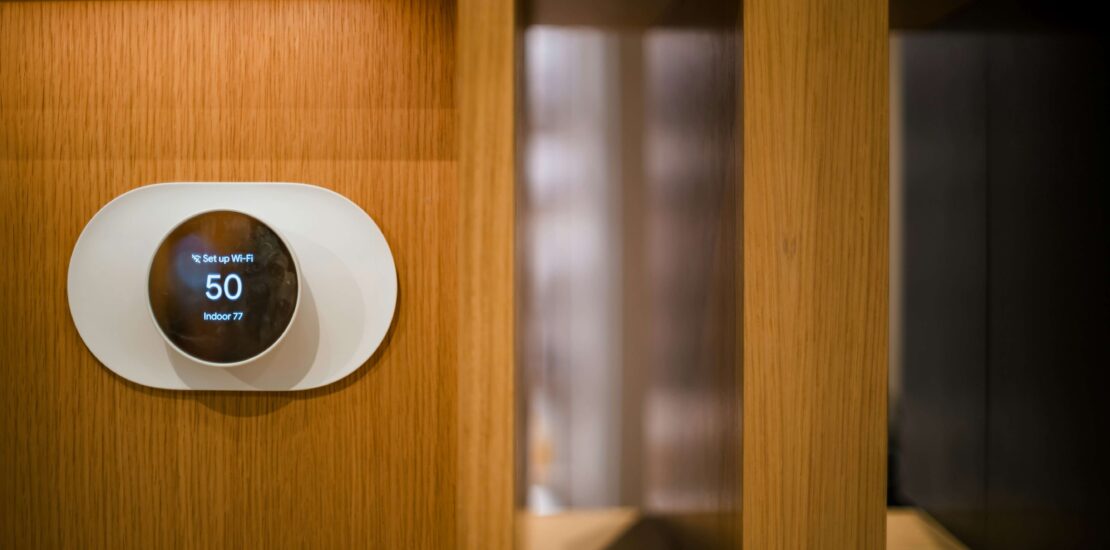
Programmable and smart thermostats are essential for optimizing comfort and energy efficiency. They adjust temperatures based on your schedule, ensuring comfort when you’re home and savings when you’re away.
These thermostats learn your routine over time, making precise adjustments automatically. They offer remote control capabilities, allowing you to change settings via smartphone apps. This convenience enhances energy savings and comfort, even when you’re not at home.
Benefits of using these thermostats:
- Automated schedule-based temperature adjustments
- Learning and adapting to your preferences
- Remote control capabilities for easy adjustments
Embracing smart technologies ensures an efficient and comfortable home environment.
Ceiling Fans, Blinds, and Other Cooling Strategies
Supplementary cooling solutions can significantly influence indoor temperature control. Ceiling fans enhance air circulation, making higher AC settings still feel comfortable. When combined with air conditioning, they provide an effective cooling duo.
Strategically using blinds and curtains prevents indoor heat buildup. Close them during the sunniest parts of the day to block excess heat and lighten the AC load. Implementing window films can further reduce solar heat gain.
Consider these additional strategies:
- Use ceiling fans for better air circulation
- Install window films or shades
- Close blinds during peak heat times

by Trần Quang Phú (https://unsplash.com/@tranquangphu)
These combined measures can help maintain a pleasant indoor climate while optimizing energy use.
Maintenance and Upgrades for Better Cooling
Ensuring your air conditioner’s optimal performance involves regular maintenance and system upgrades. Routine tasks like changing the air filter can significantly enhance efficiency. Clogged filters obstruct airflow, forcing your unit to work harder and consume more energy.
Consider professional maintenance checks to spot issues early. Technicians can clean coils, check refrigerant levels, and inspect the overall system. This ensures smooth operation during peak summer months.
Upgrading to a more energy-efficient unit can further improve cooling. Look for models with a high SEER rating to maximize savings and effectiveness.
Maintenance tasks to consider:
- Regularly replace air filters
- Schedule professional maintenance
- Upgrade to high-SEER units
These steps not only boost cooling performance but also extend your system’s lifespan.
Frequently Asked Questions About Summer AC Settings
Many people wonder about the ideal air conditioner settings for summer. A common question is the best temperature for both comfort and savings. Understanding your needs can guide you to optimal settings.
Can temperature changes really save on energy bills? Yes, adjusting the thermostat even slightly can reduce costs. Each degree higher can save you 3-5% on energy.
What about night settings? Cooler nights allow you to raise the temperature a few degrees. This takes advantage of natural, cooler air for comfort.
Here are some frequent questions:
- What temperature is ideal for sleep?
- How often should settings change during the day?
- Are smart thermostats effective?
These insights help in achieving balance between comfort and efficiency.
Conclusion: Finding Your Perfect Summer AC Temperature
Finding the perfect air conditioner temperature in summer involves balancing comfort and efficiency. It’s not a one-size-fits-all scenario. Personal preferences, climate, and home insulation all play crucial roles.
By experimenting with different settings, you can discover what works best for your home. Remember that adjusting just a few degrees can significantly impact your energy bills.
Ultimately, maintaining consistent settings that prioritize both comfort and savings benefits both the environment and your wallet. Embrace these strategies for a cool, cost-effective summer.