
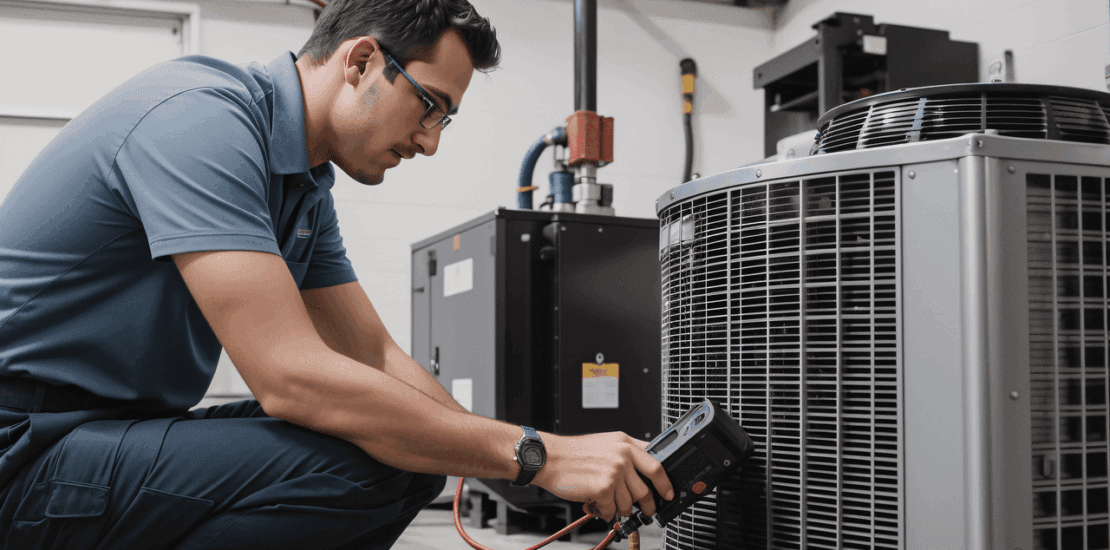
How long do heat pumps last – Key Factors & Essential Tips
Heat pumps are a popular choice for heating and cooling homes due to their energy efficiency and year-round comfort. One of the most common questions homeowners ask is how long does a heat pump last and whether it’s a worthwhile long-term investment.
If you’re wondering how long do heat pumps last, the answer depends on several factors, including climate, usage patterns, and maintenance habits. Understanding the lifespan of a heat pump is crucial for homeowners, as it helps with planning maintenance schedules and budgeting for eventual replacements.
The average lifespan of a heat pump is between 10 and 15 years, though many homeowners ask how long will a heat pump last when properly maintained. With the right care and favorable conditions, a system can often exceed its expected service life.
Climate, usage, and maintenance play significant roles in determining heat pump longevity. Proper care can extend their life expectancy.
Regular maintenance is key to maximizing heat pump efficiency and durability. Simple tasks like cleaning filters can make a big difference.
Signs of a failing heat pump include frequent repairs and reduced efficiency. Knowing when to replace can save money in the long run.
Investing in a high-quality heat pump can lead to better performance and longer service life. Technological advancements have improved their lifespan in recent years.
This guide will explore these aspects in detail, helping you make informed decisions about your heat pump system.
What Is the Average Lifespan of a Heat Pump?
A common question among homeowners is what is the average life of a heat pump. In most residential settings, the average lifespan of a heat pump ranges from 10 to 15 years. With proper care and maintenance, this timeframe can extend.
You may also ask what is the lifespan of a heat pump under normal operating conditions. The answer depends heavily on factors such as usage, climate, installation quality, and routine maintenance.
In milder climates, heat pumps often last longer. The demand on the system is less, reducing wear and tear. Conversely, harsher climates can shorten their life expectancy.
Several elements influence how long a heat pump lasts:
- Climate: Milder climates extend life.
- Usage: Heavy use decreases lifespan.
- Maintenance: Regular care boosts durability.
When signs of aging begin to appear—such as reduced efficiency or frequent repairs—it may be time to consider whether replacement is more cost-effective than continued maintenance.
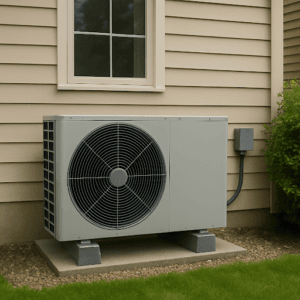
Good installation also plays a critical role. Proper setup ensures the system operates efficiently from the start. It reduces the risk of early failures and enhances overall durability.
Despite these factors, signs of aging may still emerge. Owners might notice decreased efficiency and more frequent repairs. At this stage, considering replacement could be wise to avoid escalating costs.
By understanding these influences, homeowners can better plan for the future. They can decide when maintenance is needed or when upgrading becomes a more economical choice.
Key Factors Affecting Heat Pump Longevity
Many homeowners wonder how long should a heat pump last when used correctly. While 10–15 years is typical, systems that are well-installed and properly maintained often last longer.
Several key factors determine how long a heat pump will last. Among these, the quality of the installation holds significant importance. Poor installation can lead to operational issues that shorten the system’s life.
Climate conditions also impact heat pump longevity. In coastal areas, salt air can cause corrosion and wear. Milder climates, by contrast, generally offer a more hospitable environment for these systems.
Another common question is how long should heat pump last when used year-round. Usage patterns play a role as well. Constant use for heating and cooling throughout the year can cause more wear. Especially in extreme climates, making regular maintenance essential. Systems in homes with high energy demands may have a reduced lifespan.
Routine maintenance ensures the system runs efficiently. Regular tasks, such as cleaning and inspecting, prevent small issues from becoming major problems. Regular care can significantly extend the average heat pump lifespan.
The quality of the components and system design influence durability. High-quality parts resist wear and tear better, providing longer service life. Advances in technology have improved component durability over time.
Here are additional factors to consider:
- Installation Quality: Impacts start-up and efficiency.
- Climate Conditions: Affects corrosion risk.
- Usage Patterns: Heavy use can reduce life.
- Regular Maintenance: Prolongs system health.
- Component Quality: High-quality parts last longer.
A properly sized heat pump ensures efficient operation and reduces unnecessary stress, helping the system reach or exceed its expected lifespan.
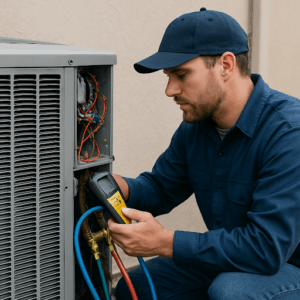
Lastly, proper sizing of the heat pump to the home is crucial. A properly sized system operates more efficiently and lasts longer. An oversized or undersized unit can lead to increased wear and energy inefficiency.
These factors combined dictate the lifespan of your heat pump system. Understanding them can guide homeowners in extending the life and efficiency of their systems. It also helps in making informed decisions about maintenance and potential replacement.
Types of Heat Pumps and Their Life Expectancy
Heat pumps come in various types, each offering different benefits and life expectancies. Understanding these differences helps homeowners choose the best option for their needs.
The most common types are air source, ground source, and ductless mini-split systems. Each has unique characteristics that affect its longevity. Ground source, also known as geothermal, typically offers the longest lifespan.
Air source heat pumps are the most widely used due to their affordability. These systems generally last around 10 to 15 years with good maintenance. Geothermal systems, though initially more expensive, can last 20 to 25 years.
Ductless mini-split systems provide flexibility and efficient heating and cooling. Their life expectancy usually ranges from 12 to 20 years. Proper care and professional installation are crucial for ensuring their durability.
Here’s a quick comparison:
- Air Source: 10 to 15 years
- Geothermal: 20 to 25 years
- Ductless Mini-Split: 12 to 20 years
by Meg (https://unsplash.com/@megindoors)
These varying lifespans depend on multiple factors. The quality of installation and regular maintenance play significant roles. Investing in high-quality systems and prompt maintenance can maximize a heat pump’s potential lifespan. This investment ensures optimal performance across the board.
Signs Your Heat Pump May Need Replacement
Recognizing the signs of a failing heat pump can save you from unexpected breakdowns. A key indicator is escalating energy bills. If your costs are rising without increased usage, the system might be losing efficiency.
Frequent repairs are another red flag. A unit that requires constant fixing likely needs replacement. At this point, professional heat pump repair services can help evaluate whether repeated issues are still manageable or beginning to signal a larger system problem. Consider how much you’re spending on repairs compared to a new system.
Unusual noises or vibrations often signal mechanical issues. If you hear rattling or grinding, the internal components may be failing. In some cases, these symptoms are tied to situations where the heat pump fan not running properly affects airflow and overall system performance. Such issues should not be ignored.
Inconsistent temperatures throughout your home can also indicate a failing system. If certain rooms remain hot or cold despite adjustments, it’s a clear indication of malfunction.
Here are signs that replacement might be necessary:
- Rising energy bills
- Frequent and costly repairs
- Unusual noises and vibrations
- Inconsistent indoor temperatures
- System over a decade old
by Yusuf Onuk (https://unsplash.com/@onkysf)
With these insights, homeowners can decide whether to repair or replace their heat pump. Consulting with an HVAC professional can further guide this decision. They can assess whether a replacement will provide long-term savings and comfort.
How to Maximize the Lifespan of Your Heat Pump
To ensure your heat pump lasts as long as possible, regular maintenance is crucial. Simple steps can significantly extend its life and improve efficiency.
Start with a routine cleaning schedule. Dust and debris can obstruct airflow, reducing performance. Clean or replace air filters every few months or as needed.
Ensure proper installation from the beginning. A correctly installed heat pump operates more efficiently and lasts longer. Hire a qualified technician for the best results.
Regular inspections by heating repair professional can identify potential issues early. Schedule annual check-ups to detect problems before they become severe.
Manage the area around your heat pump. Keep it free of obstructions to allow proper airflow. Trim plants and clear debris from around the unit.
Here are some simple tasks you can do:
- Clean filters regularly
- Clear debris from around the unit
- Trim plants near the heat pump
Professional maintenance steps include:
- Checking refrigerant levels
- Inspecting electrical connections
- Lubricating moving parts
by Kev Chan (https://unsplash.com/@ironkevin)
Proper usage also plays a role in longevity. Avoid setting extreme temperatures, which strain the system. Instead, maintain a moderate setting for optimal performance.
Finally, consider energy-efficient practices. Good insulation and sealing can reduce your heat pump’s workload. This not only extends its life but also cuts utility costs.
These practices together can significantly improve the lifespan of your system. By taking these proactive steps, you can enjoy reliable performance for years.
The Role of Heat Pump Efficiency in System Life
Efficiency plays a crucial role in determining how long a heat pump will last. A well-maintained, efficient system experiences less wear and tear, resulting in a longer lifespan. Efficiency not only affects longevity but also reduces energy costs.
An efficient heat pump operates smoothly and requires less energy to maintain the desired temperature. This reduces strain on the system and leads to fewer breakdowns.
Factors such as aging components or neglected maintenance can lead to decreased efficiency. This affects the heat pump’s life expectancy and increases energy consumption.
Regular maintenance and timely upgrades can boost efficiency. This ensures the heat pump operates under optimal conditions, which is vital for prolonging its life.
Here’s how efficiency impacts life expectancy:
- Reduces energy consumption
- Minimizes system strain
- Decreases frequency of repairs
by Mike Hindle (https://unsplash.com/@mikehindle)
Choosing an energy-efficient model, like those with an Energy Star rating, can lead to better performance and longer service. Modern technologies, such as variable-speed compressors, improve efficiency and help maximize lifespan.
In summary, focusing on heat pump efficiency is essential for enhancing longevity and performance. This proactive approach not only saves money but ensures reliable service throughout the system’s life.
Maintenance Tips for Prolonging Heat Pump Life
Consistent maintenance is key to extending the lifespan of a heat pump system. Simple routine tasks can significantly improve performance and avoid costly repairs.
Begin by checking and replacing filters regularly. Clean filters ensure efficient airflow, reducing strain on the system and prolonging its life.
Another important task is inspecting and cleaning the outdoor unit. Clear away debris and vegetation to ensure proper airflow. This helps maintain optimal operation and increases system longevity.
Here is a list of routine maintenance tasks:
- Change or clean filters every 1-3 months
- Inspect and clear outdoor units of debris
- Check refrigerant levels annually
Annual professional inspections are also vital. A technician can identify potential issues and ensure all components function correctly.
Additional maintenance activities include:
- Checking and tightening electrical connections
- Lubricating moving parts to reduce friction
- Ensuring accurate thermostat operation
By following these maintenance guidelines, you can optimize heat pump efficiency and extend its service life. Remember, a well-cared-for heat pump not only lasts longer but also performs better, saving energy and reducing costs. Regular upkeep is a small price to pay for dependable comfort year-round.
When to Repair vs. Replace Your Heat Pump
Deciding between repairing or replacing a heat pump can be challenging. Assessing a few factors can guide your decision-making process effectively.
Start by evaluating the age of the heat pump. If the unit is near or over 15 years old, replacement might be more cost-effective than frequent repairs.
Consider the frequency and cost of recent repairs. If repair costs approach 50% of the price of a new unit, replacement is likely the better option.
Several key factors to consider:
- Age of the heat pump (over 10-15 years)
- Frequency and cost of repairs
- Energy efficiency and performance
Energy efficiency is another essential factor. Newer models are often significantly more efficient, reducing long-term energy costs.
Finally, consult with a qualified HVAC professional to gain insights specific to your system’s condition. Their expertise can help you make a well-informed decision that aligns with your budget and comfort needs.
Cost Considerations: Replacement vs. Continued Maintenance
When evaluating costs, consider both immediate and long-term financial impacts. Continuing to maintain an aging heat pump may seem cheaper initially but could become costly over time.
Replacement offers the advantage of improved energy efficiency. Newer models typically lower electricity bills, offsetting some replacement costs.
Weigh these critical factors:
- Immediate versus long-term costs
- Potential savings with energy-efficient models
- Frequency and cost of ongoing maintenance
Don’t forget to factor in potential rebates or incentives for upgrading to a high-efficiency model. These can significantly reduce upfront costs and enhance the overall financial decision-making process.
Each scenario is unique, so calculate both immediate and future costs carefully. Consider consulting with an HVAC expert to assess your specific situation, ensuring you make the most cost-effective choice.
Frequently Asked Questions About Heat Pump Lifespan
Understanding the lifespan of a heat pump is crucial for budgeting and planning. Here are some frequently asked questions about heat pump life expectancy.
What is the average lifespan of a heat pump?
The average heat pump lifespan is typically 10 to 15 years. This varies based on factors like maintenance and usage.
How long will a well-maintained heat pump last?
With regular maintenance, a heat pump may exceed 15 years. Routine care is essential for maximizing longevity.
What reduces the lifespan of a heat pump?
Factors such as improper installation, neglect, and harsh weather conditions can shorten a heat pump’s lifespan.
Can the type of heat pump affect its lifespan?
Yes, different types have varying life expectancies. Ground-source pumps generally last longer than air-source types.
Why is professional maintenance important?
Professional maintenance identifies issues early, preventing costly repairs and extending the system’s life.
How can I tell if my heat pump needs replacement?
Signs include frequent breakdowns, reduced efficiency, and increasing repair costs. Replacement might be more economical if these occur.
Conclusion: Ensuring Long-Term Heat Pump Performance
Investing time in maintaining your heat pump can lead to significant benefits. Regular care maximizes efficiency and extends the system’s lifespan. This prolongs reliable performance and helps avoid unexpected expenses.
Understanding factors impacting heat pump longevity empowers you to make informed decisions. Choose quality installations and schedule professional inspections. These steps help prevent wear and prolong the system’s operational life.
Ultimately, ensuring a heat pump’s long-term performance involves commitment and planning. Prioritizing maintenance and being proactive with repairs fosters durability. By doing so, you can enjoy a heat pump that serves your needs effectively for many years.