
How do you know if ac compressor is bad
Summary
This guide explains what an AC compressor does, why it fails (low refrigerant, electrical issues, blocked coils, debris/poor maintenance), and how to spot problems early. Key symptoms include warm air, weak airflow, odd noises, leaks, non-starting, frequent cycling, tripped breakers, higher energy bills, and car-specific signs like a clutch not engaging. It outlines basic diagnostics (performance observation, visual inspection, and electrical testing) and preventive steps through regular service, cleaning, and proper operation. It also offers guidance on when to repair versus replace based on unit age, damage severity, and cost.
The AC compressor is a vital part of any air conditioning system. It plays a key role in cooling your home or car. But what happens when it fails?
Recognizing the signs of a bad AC compressor can save you time and money. Early detection is crucial to prevent further damage.
Common symptoms include warm air blowing from vents and strange noises. These issues can lead to higher energy bills and discomfort.
Understanding these symptoms can help you diagnose problems early. This knowledge is valuable for homeowners and car owners alike.
Regular maintenance can extend the life of your AC system. It can also help avoid costly repairs or replacements.
In this guide, we will explore the symptoms of AC compressor failure. We will also discuss how to diagnose and prevent these issues.
By the end, you’ll know how to tell if your AC compressor is bad. This information will empower you to make informed decisions about repairs.
How to Tell If AC Compressor Is Bad
If you are searching for **how to tell if ac compressor is bad**, **how can you tell if your ac compressor is bad**, or **how to tell if a c compressor is bad**, this guide walks through the warning signs, causes, and diagnosis steps in detail.
Below, you’ll find a complete explanation of **bad compressor symptoms** and the **signs my ac compressor is bad**, helping you understand what to look for before serious damage occurs.
What Does an AC Compressor Do?
An AC compressor is the heart of the cooling system. It compresses the refrigerant and circulates it through the system. This process allows heat to be extracted from the air.
The compressor works by performing several key functions. Here’s a breakdown:
- Compresses refrigerant: Increases pressure and temperature.
- Circulates refrigerant: Moves it through the condenser and evaporator.
- Maintains flow: Ensures consistent cooling efficiency.
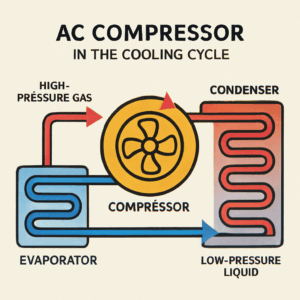
Without a functioning compressor, the AC system can’t cool effectively. The air will remain warm, defeating the purpose of air conditioning. Understanding this component is crucial for diagnosing issues. It also helps in maintaining a comfortable indoor or in-car environment.
Why Do AC Compressors Fail?
AC compressors can fail for various reasons. Understanding these causes can help in preventing failures. Let’s explore what commonly leads to compressor issues.
Lack of maintenance is a primary cause. Without regular inspections, wear and tear go unnoticed. This increases the risk of component failure.
Specific factors contribute to compressor failures, including:
- Low refrigerant levels: Causes overheating.
- Electrical failures: Lead to shorts or power issues.
- Blocked condenser coils: Hinder heat dissipation.
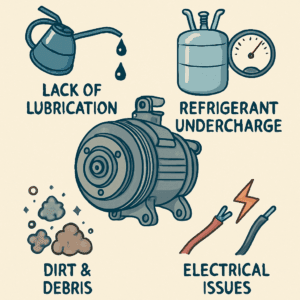
External factors also play a role. Dust and debris can clog the system. This increases the workload on the compressor. Over time, excessive strain leads to malfunction. Proper care and timely maintenance can significantly extend the compressor’s lifespan.
Common Symptoms of AC Compressor Failure
Recognizing symptoms of AC compressor failure early can prevent extensive damage. Keep an eye out for these telltale signs. Detecting issues promptly saves money and ensures comfort.
Common symptoms include:
- Warm air from vents
- Weak airflow
- Strange noises
- System not starting
- Refrigerant leaks
- Increased energy bills
- Frequent cycling
- Electrical issues
These indicators reveal possible compressor issues. Acting quickly can address the problem before it worsens. Understanding these signs assists in diagnosing the root cause effectively.
1. Warm Air Blowing from Vents
One major symptom is warm air from vents. This happens when the compressor fails to circulate refrigerant effectively. As a result, cooling is compromised.
If vents blow warm air instead of cool, suspect the compressor. This inefficiency indicates the system’s inability to maintain desired temperatures.
by Kev Chan (https://unsplash.com/@ironkevin)
Acting on this symptom helps prevent further discomfort. Addressing it early ensures consistent and effective cooling performance.
2. Weak or Reduced Airflow
Reduced airflow points to potential compressor issues. This symptom often results from blockages or mechanical failures within the system.
When airflow weakens, the cooling process is disrupted. The compressor struggles, affecting the overall system performance.
Don’t ignore weak airflow. Investigate promptly to identify the source. Quick action restores effective cooling, enhancing comfort.
3. Strange Noises from the Compressor
Unusual noises emanating from the compressor signal trouble. These sounds can vary from grinding to rattling or squealing. Each suggests different issues.
Possible causes include:
- Broken internal components
- Poor lubrication
- Electrical malfunctions
Strange noises demand attention. Ignoring them can lead to severe damage. Prompt inspection is crucial to prevent costly repairs.
4. AC System Not Turning On
If your AC system fails to turn on, inspect the compressor. This issue often arises from electrical failures or seized components. A non-responsive system disrupts your comfort.
Electrical problems can stem from broken fuses or faulty wiring. On the other hand, mechanical seizures prevent normal operation.
Recognizing this symptom requires professional intervention. Ensure wiring and mechanical parts function correctly. Address non-starting issues swiftly for restored comfort.
5. Leaking Refrigerant or Oil
Leaks around the compressor are serious red flags. Refrigerant or oil leaks compromise the system’s integrity. They reduce cooling efficiency and harm the environment.
Visually inspect the area for moisture or oil stains. Such leaks indicate seal failures or wear.
Addressing leaks quickly is vital. Proper sealing and refilling ensure optimal performance. Neglecting leaks deteriorates system efficiency over time.
6. Higher Energy Bills
Spiking energy bills may result from compressor inefficiency. A malfunctioning compressor uses more power to achieve desired cooling. Consequently, electric usage rises.
Compare your current energy costs with previous months. A noticeable increase signals potential problems. Efficient operation maintains stable energy usage.
Quickly addressing this symptom curbs high costs. Ensuring the compressor’s optimal performance saves money. Professional diagnosis helps pinpoint energy drains.
7. Frequent Cycling or Hard Starting
Rapid cycling or hard starting reveals compressor troubles. These symptoms indicate mechanical or electrical faults. The system struggles to maintain consistent operation.
A compressor that cycles too often or starts hard puts extra strain on components. This increases wear and risks burnout.
Prevent these issues by investigating early. Ensuring consistent cycling extends the compressor’s lifespan. Reliable operation is crucial for comfort and durability.
8. Tripped Circuit Breaker or Blown Fuse
Electrical issues, like tripped breakers, hint at compressor faults. These problems often occur due to overloads or shorts. They cause system shutdowns for safety reasons.
Check your breaker panel for trips. Blown fuses also suggest electrical stresses.
When faced with electrical failures, seek expert help. Addressing these symptoms ensures safe and proper operation. Protect your system from further electrical damage.
Car AC Compressor Failure Symptoms
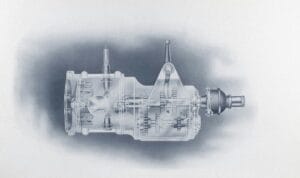
Car AC compressor issues present distinct symptoms. Recognizing these signs aids in early detection and repair, ensuring a comfortable drive. Keep an eye and ear out for these issues.
Car AC compressor failure symptoms often include:
- Compressor clutch not engaging
- Unusual noises from the engine bay
- Visible damage or refrigerant leaks
Addressing these symptoms promptly can prevent costly repairs. Understanding these signs helps maintain your vehicle’s cooling system efficiency.
by The New York Public Library (https://unsplash.com/@nypl)
1. Compressor Clutch Not Engaging
The compressor clutch plays a pivotal role in car AC systems. If it doesn’t engage, the system won’t cool effectively. This could be due to a faulty clutch coil or electrical issues.
Without engagement, refrigerant flow halts, leaving occupants uncomfortable. Inspect electrical connections and the clutch itself. Prompt attention can restore function and comfort.
2. Unusual Engine Compartment Noises
Strange sounds under the hood often hint at compressor issues. Whining, grinding, or screeching noises indicate internal wear or mechanical failures in the compressor.
These sounds suggest misaligned components or insufficient lubrication. Listen carefully when the AC is running. Investigate noises to prevent further engine bay damage.
3. Visible Damage or Leaks
Visible damage like cracks or dents on the compressor spells trouble. Such damage might result from physical impact or long-term wear.
Leaks, notably refrigerant, indicate sealing problems. Check for oil or refrigerant stains around the compressor. Prompt repair prevents cooling inefficiencies and environmental harm.
Diagnosing a Bad AC Compressor: Step-by-Step
Diagnosing a failing AC compressor requires a methodical approach. Early detection can save both time and money. Follow these steps to identify compressor issues effectively.
First, observe performance changes. Check if the AC is cooling as expected. Listen for unusual noises during operation. These can hint at internal problems.
Next, conduct a visual inspection. Look for leaks or damage around the compressor. Ensure that electrical connections are secure. Visible indicators often reveal underlying issues.
Finally, test the compressor’s electrical components. Use a multimeter to check for continuity in the wiring. Evaluate the functioning of relays and fuses. A thorough diagnosis ensures accurate identification and resolution of problems.
By following these steps, you can accurately identify the symptoms and address them effectively, ensuring your AC system works smoothly.
What Causes Compressor Issues?
AC compressor problems can originate from various factors. Understanding these helps in timely prevention and repair.
One common cause is poor maintenance. Neglecting regular check-ups can lead to issues like low refrigerant levels or blocked coils. Both can overheat the compressor.
Another reason is electrical failure. Faulty wiring or blown fuses can damage the compressor. This prevents it from functioning properly and may even lead to complete failure.
Environmental factors also contribute. Dust and debris can clog the system. Excessive moisture can cause rust and corrosion. These factors affect the efficiency of the compressor.
Common causes of compressor issues include:
- Poor maintenance
- Electrical failures
- Environmental factors
By recognizing these causes, you can ensure your AC compressor remains in optimal condition. Regular care and monitoring go a long way in preventing complications.
How to Prevent AC Compressor Failure
Preventing AC compressor failure involves routine maintenance and proactive steps. These measures extend the life of your system and enhance performance.
First, scheduling regular service appointments is crucial. Professional technicians can identify early signs of compressor issues and resolve them efficiently.
Secondly, ensure the system is clean. Dust and debris can cause blockages leading to overheating. Regular cleaning minimizes such risks and improves airflow.
Finally, use the AC system correctly. Avoid overloading by maintaining moderate temperatures. This reduces stress on the compressor and prolongs its lifespan.
Consider these preventive measures:
- Schedule regular maintenance
- Keep the AC system clean
- Avoid overuse or overloading
By following these steps, you can significantly reduce the likelihood of compressor failure. Proper care ensures the system operates efficiently for years to come.
When to Repair vs. Replace Your AC Compressor
Deciding whether to repair or replace an AC compressor can be challenging. Consider the age and condition of the unit. If it’s nearing the end of its lifespan, replacement may be more cost-effective.
Additionally, assess the severity of the problem. Minor issues often warrant a repair, while major failures might necessitate replacement. Consider the cost implications and potential benefits of each option.
Key factors to consider include:
- Age of the compressor
- Extent of damage
- Repair vs. replacement costs
Evaluating these factors will help make an informed decision. Ensuring the right choice can improve system efficiency and longevity.
Frequently Asked Questions About AC Compressor Failure
Understanding AC compressor failure can raise various questions. Often, homeowners and car owners wonder about the signs to watch for and the causes. Identifying the symptoms early is crucial.
Here are some common questions:
- What are the typical signs of a failing compressor?
- How does a compressor affect the overall AC system?
- Can a compressor be repaired, or does it need replacing?
Understanding these FAQs helps in maintaining a healthy AC system. Knowing when to seek professional help can prevent bigger issues down the line.
Conclusion: Protecting Your AC System
Safeguarding your AC system from compressor issues is vital. Recognizing early symptoms can prevent costly repairs. Regular maintenance is key to extending the life of your compressor.
Stay attentive to your AC’s performance. Address unusual noises, leaks, and inefficiencies promptly. Understanding these signs and taking swift action can keep your AC running smoothly, ensuring comfort in your home or vehicle year-round.