
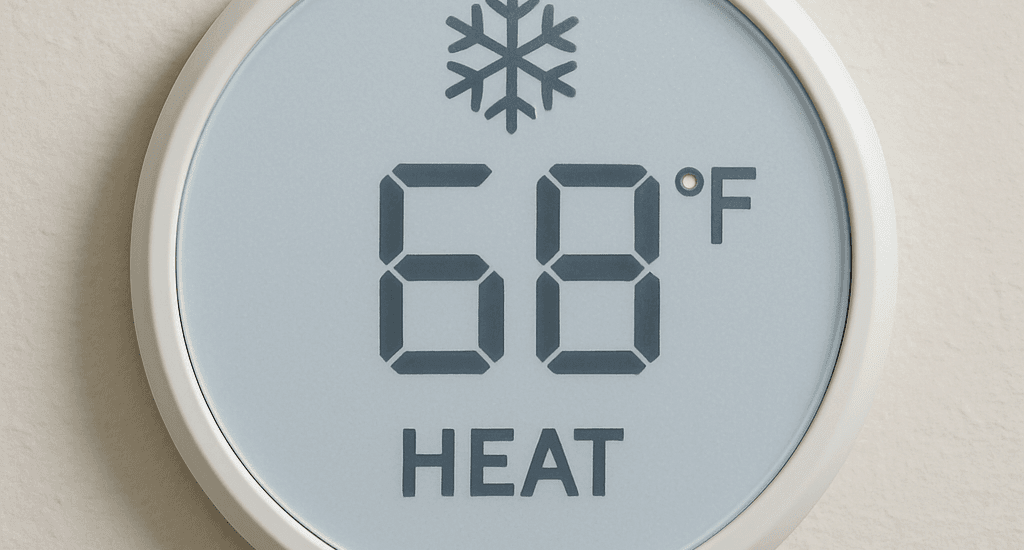
When to use emergency heat on a heat pump
Heat pumps are a popular choice for efficient home heating. But what happens when temperatures drop too low? That’s where emergency heat comes into play.
Emergency heat is a backup system for your heat pump. It kicks in when the primary system can’t keep up. This feature is crucial during extreme cold or system malfunctions.
Understanding when to use emergency heat can save you money. It can also ensure your home stays warm and comfortable.
However, using it incorrectly can lead to high energy bills. It’s important to know the right time to switch it on.
In this guide, we’ll explore the ins and outs of emergency heat. You’ll learn when and why to use it, and how to avoid unnecessary costs.
What is emergency heat on a heat pump?
Emergency heat is a vital feature of many heat pump systems. It serves as a backup when the primary heat pump doesn’t heat effectively. This auxiliary option typically uses electric resistance heating, which is powerful but also energy-intensive.
When temperatures outside drop significantly, a heat pump alone might struggle to maintain indoor comfort. That’s when emergency heat becomes critical. It helps ensure consistent warmth during particularly harsh cold spells.
Here’s a brief list of emergency heat characteristics:
- Activated manually or automatically.
- Uses more electricity than the primary system.
- Designed for short-term use only.
Homeowners should understand its purpose and limitations. This knowledge can prevent costly energy bills and discomfort.
To visualize this concept, consider the image of a thermostat displaying an “EM Heat” or “Emergency Heat” setting. This setting can often be found on your thermostat, allowing you to activate emergency heat when needed.
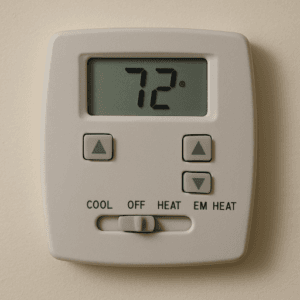
By mastering its use, you can maintain home comfort efficiently, even during the coldest days.
How does emergency heat work?
Emergency heat engages when the primary heat pump system cannot deliver sufficient warmth. This can occur during severe cold spells or if the heat pump malfunctions. The system switches to electric resistance heating, a reliable but high-energy solution.
Electric resistance heating generates heat by passing electricity through a resistive element. This creates warmth quickly, ensuring that your home remains comfortable. However, because it uses more electricity than a standard heat pump, costs can surge if used excessively.
Here’s a simple breakdown of the process:
- Detects inadequate primary heat pump performance.
- Activates electric resistance heating as a backup.
- Provides immediate warmth until the primary system is restored.
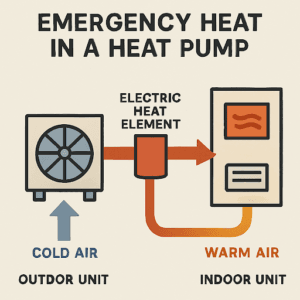
This automatic or manual switch ensures uninterrupted heating. It’s a failsafe for maintaining warmth during critical periods. Understanding how emergency heat functions can help homeowners make informed decisions and control energy usage more effectively. Being proactive can prevent unwelcome energy costs and stress.
When should you use emergency heat on a heat pump?
Emergency heat should be used only when necessary. It kicks in if your heat pump cannot function or handle extreme cold. Knowing when to activate it can save on energy expenses.
Typically, you should use emergency heat when the outside temperature plummets. This is often below 30°F, and the pump struggles to maintain warmth. Another instance is when the heat pump is damaged and needs repair.
You might also need emergency heat during unexpected equipment failures. If your heat pump suddenly stops working on a freezing night, emergency heat can be a lifesaver. This feature ensures your home remains cozy until professional help arrives.
Homeowners should become familiar with specific signs that signal a switch to emergency heat might be necessary:
- Unusually low indoor temperatures.
- Heat pump is non-operational.
- Thermostat indicates “EM Heat” or similar alerts.
by Arthur Lambillotte (https://unsplash.com/@artlambi)
Emergency heat is not for regular use. It’s meant to serve as a temporary solution during mechanical issues or when extreme conditions stretch the heat pump’s capability. Overusing it can lead to significantly higher energy bills. Therefore, it’s vital to assess the situation carefully before switching to emergency mode. Consider contacting HVAC professionals for a detailed assessment if frequent use is required. Being aware and prepared can prevent costly mistakes and ensure home comfort.
Signs you need to turn on emergency heat
Recognizing the right time to activate emergency heat is crucial. Several signs can indicate this need. Look out for these specific cues in your home.
First, if indoor temperatures drop significantly despite the thermostat setting, it might be necessary. This drop suggests the heat pump is struggling to maintain warmth. Additionally, an unresponsive heat pump when it should be heating is a key indicator.
Moreover, unusual noises or frequent short cycles may point to a malfunction. If the system repeatedly switches on and off without sustaining heat, emergency heat may be required. Take note of these warning signs to prevent discomfort and protect your home.
Some signs to watch for include:
- Indoor temperature not rising despite setting.
- Heat pump remains inactive or malfunctions.
- Strange noises or cycles from the heat pump.
Staying attentive to these indicators can help you act promptly. This ensures your home stays warm and your system avoids further stress.
How to activate emergency heat on your thermostat
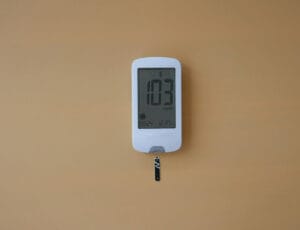
Activating emergency heat on your thermostat is generally a simple process. Most thermostats have a clear setting labeled “EM Heat” or “Emergency Heat” for ease of access. Knowing this setting’s location can save time and effort when temperatures drop unexpectedly.
To activate emergency heat, follow these basic steps:
- Locate the thermostat and check its display settings.
- Find the “EM Heat” or “Emergency Heat” option.
- Switch the setting to activate emergency heat mode.
Homeowners often overlook these settings, especially during a crisis. Familiarizing yourself with your thermostat can prevent panic during chilly moments. Moreover, ensure all household members know these steps, enhancing overall preparedness.
by isens usa (https://unsplash.com/@isensusa)
When does a heat pump switch to emergency heat automatically?
Heat pumps have built-in mechanisms to switch to emergency heat automatically under certain conditions. This typically occurs when the outside temperature plunges too low for the heat pump to operate efficiently. In most cases, this threshold is around 30°F.
The system detects when:
- The outdoor temperature is too low.
- The primary heating system fails.
- The heat pump cannot maintain the set indoor temperature.
These automatic switches ensure continued warmth during harsh weather. Automatic activation is crucial for preventing discomfort or unsafe conditions inside your home. Understanding these triggers can help you anticipate your system’s behavior during cold spells.
What is the drawback of emergency heat?
While emergency heat ensures warmth during emergencies, it is not without disadvantages. The primary concern with emergency heat is its high energy consumption. This can significantly increase your electricity bill compared to regular heat pump operation.
Emergency heat is powered by electric resistance heat, which is much less efficient. This inefficiency results in higher costs, particularly if used for extended periods. Additionally, frequent reliance on emergency heat may signal underlying issues with your heat pump system. Addressing these issues promptly can prevent excessive energy usage and costs.
Here are some drawbacks of emergency heat:
- Higher electricity consumption and costs.
- Potential indication of system malfunctions.
- Not suitable for prolonged use.
by BINGYEN STUDIO (https://unsplash.com/@bingyenstudio)
Using emergency heat excessively is not advisable. Regular maintenance and professional assessments can reduce the need for emergency heat. By keeping your heat pump in good condition, you maintain efficiency and comfort at a lower cost.
Emergency heat vs. auxiliary heat: What’s the difference?
Emergency heat and auxiliary heat might seem similar, but they serve different purposes. Auxiliary heat supports the heat pump during very cold conditions when extra heating is needed. It’s like a helper that kicks in automatically to maintain indoor comfort.
Emergency heat, on the other hand, functions as a backup system. It’s used when the primary heat pump isn’t working. Homeowners usually activate it manually. This ensures warmth during extreme situations.
Here’s a quick comparison:
- Auxiliary Heat: Supports heat pump; automatic activation.
- Emergency Heat: Backup system; manual activation when needed.
- Purpose: Auxiliary helps; emergency replaces when needed.
by Paolo Chiabrando (https://unsplash.com/@chiabra)
Tips to Minimize the Need for Emergency Heat
Reducing the need for emergency heat starts with regular maintenance. Keeping your heat pump in top shape ensures efficiency and reliability. This involves inspecting the system and replacing filters regularly.
Improving home insulation can significantly reduce heat loss. Consider sealing drafts around doors and windows. This helps maintain warmth and reduces the system’s workload.
Here are some practical strategies:
- Regular Maintenance: Schedule professional check-ups.
- Insulation: Enhance attic and wall insulation.
- Seal Drafts: Use weatherstripping and caulk.
- Smart Thermostat: Optimize heating schedules.
Implementing these tips can minimize the reliance on emergency heat. This saves energy and reduces costs while maintaining a comfortable home environment.
Frequently Asked Questions About Heat Pump Emergency Heat
Can I use emergency heat all the time? It’s not recommended. Emergency heat is less efficient and more costly compared to the regular heat pump operation. Use it only when necessary.
What happens if the emergency heat does not work? If your emergency heat isn’t working, you may need an HVAC professional to diagnose and repair the issue. It could signal a larger problem.
Here are some common questions:
- How can I switch back from emergency heat?
- Is emergency heat necessary in mild climates?
- Can frequent use of emergency heat damage my system?
Understanding these aspects can help manage your system better. Knowledge ensures you use emergency heat wisely and effectively.
Conclusion: Using Emergency Heat Wisely
Using emergency heat on a heat pump requires careful consideration. It’s vital to know when it’s genuinely needed. Rely on it only during specific situations, like equipment failures or extreme cold.
Regular maintenance of your heat pump can minimize the need for emergency heat. By understanding its function and potential drawbacks, you can effectively balance comfort with cost. Stay informed to make the best use of your heating system.